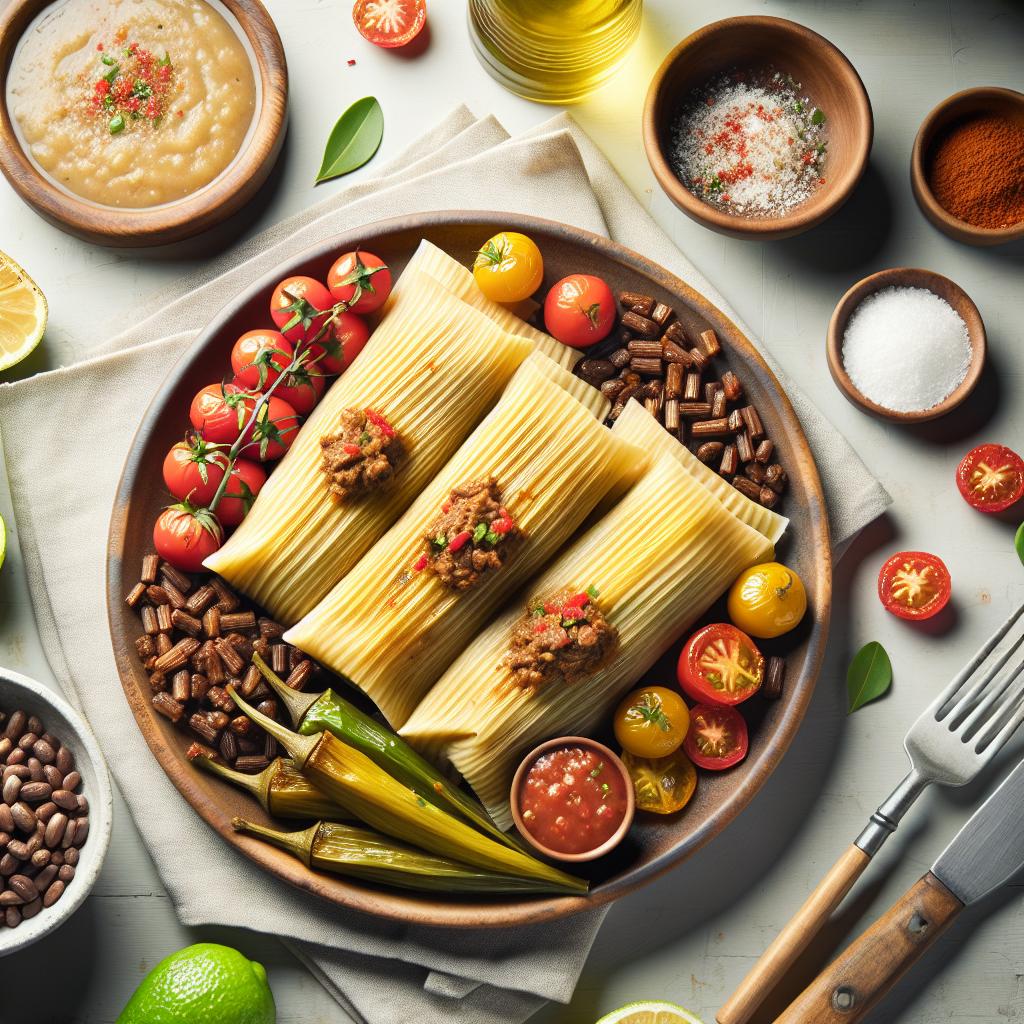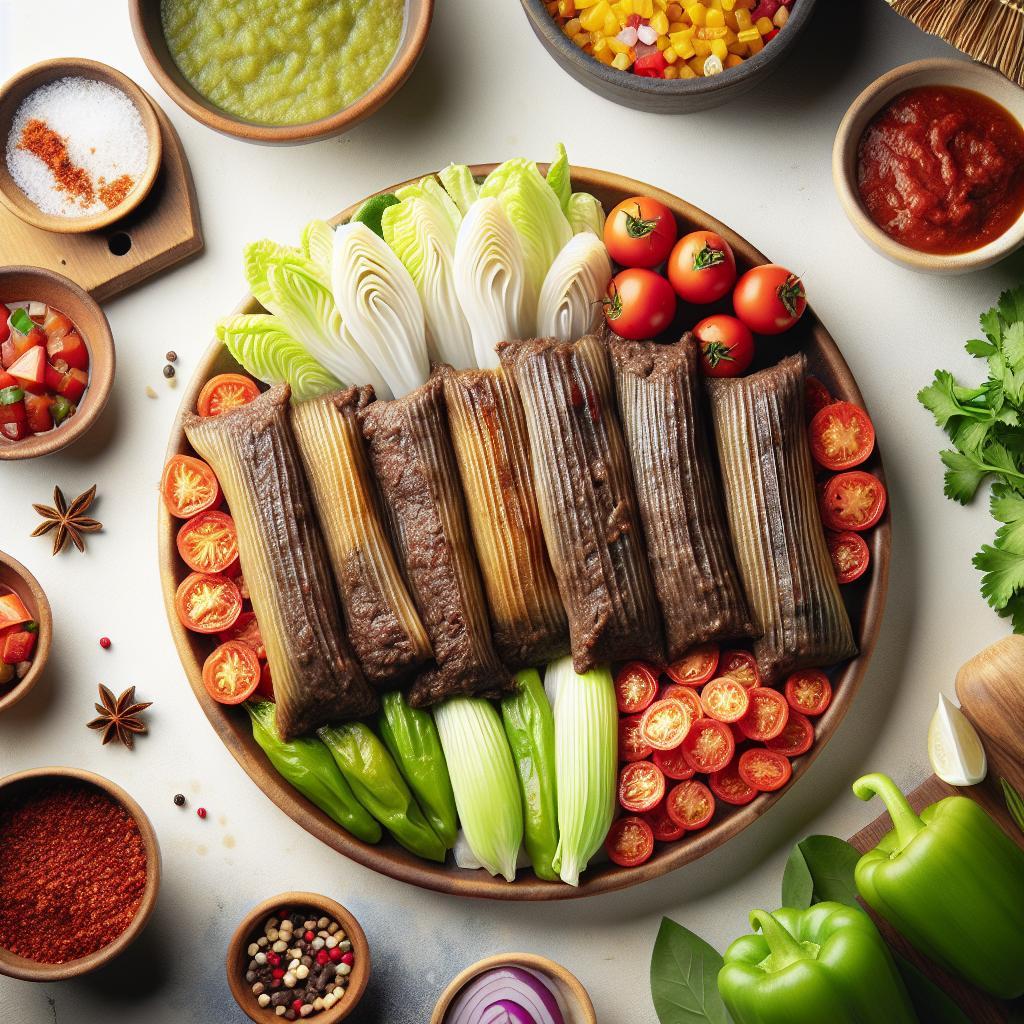

There’s something magical about peeling back the corn husk of a homemade beef tamale-a ritual that unveils layers of rich, savory aroma and a tender, flavorful center. Crafting beef tamales at home is more than just a cooking process; it’s a celebration of tradition, patience, and artistry passed down through generations. This flavorful tradition, wrapped in history and culture, invites you into a world where simple ingredients transform into a comforting, mouthwatering masterpiece. In this article, we’ll explore the secrets behind making delicious beef tamales from scratch, guiding you through every step to bring this beloved culinary heritage to your own kitchen.
- Prep and Cook Time
- Yield
- Difficulty Level
- Choosing the Perfect Cut: Exploring Authentic Beef Options for Tamales
- Mastering the Masa Dough: Crafting the Ideal Texture for Irresistible Tamales
- Secrets to Slow-Cooked Beef: Infusing Rich Flavor and Tenderness
- Wrapping and Steaming Techniques: Unlocking Tradition and Perfect Results
- Ingredients
- Instructions
- Chef’s Notes and Tips for Success
- Serving Suggestions
- Q&A
- Future Outlook
Crafting Homemade Beef Tamales: A Flavorful Tradition Unwrapped invites you on a culinary journey rooted in rich heritage and vibrant flavors. This beloved Mexican classic is more than a meal – it’s a celebration of slow-cooked, tender beef wrapped in velvety masa dough, all lovingly encased in corn husks. Whether you’re a seasoned cook or a curious beginner, mastering each element-from selecting the perfect cut of beef to the delicate art of wrapping and steaming-will bring unforgettable depth and authenticity to your kitchen.
Prep and Cook Time
- Preparation: 45 minutes
- Cooking: 4 hours (for slow-cooked beef)
- Steaming tamales: 1.5 hours
- Total: Approximately 6 hours
Yield
Makes about 24 tamales, perfect for family gatherings or festive celebrations.
Difficulty Level
Medium: Requires patience and attention to detail, but the rewards are extraordinary!
Choosing the Perfect Cut: Exploring Authentic Beef Options for Tamales
For crafting homemade beef tamales, the bedrock of flavor lies in selecting the right beef cut. Opt for hearty, connective tissue-rich options like chuck roast or beef brisket. These cuts dissolve beautifully during slow cooking, yielding tender, juicy beef infused with rich depth. Avoid lean cuts to ensure your filling remains moist and succulent. The best results come from a long, gentle simmer or braise with aromatic spices and chilies, transforming tough fibers into melt-in-your-mouth delight.
Mastering the Masa Dough: Crafting the Ideal Texture for Irresistible Tamales
An exquisite tamale hinges on perfectly crafted masa dough. Combine masa harina with warm broth (preferably beef stock from your cooked meat), lard or vegetable shortening, a pinch of baking powder, and salt. Whip the dough energetically until it reaches a light, fluffy, and slightly spongy texture. This tactile process ensures your tamales steam to tender, airy perfection rather than dense or crumbly.
Secrets to Slow-Cooked Beef: Infusing Rich Flavor and Tenderness
Slow-cooked beef elevates the dish to new heights-imagine fork-tender strands infused with subtle heat, garlic, cumin, and smoky chipotle notes. Sear the beef first until it develops a golden crust to lock in juices. Then, simmer gently for hours with fresh onions, garlic, dried chilies, and aromatic herbs. The slow braise softens sinews while the sauce thickens into a lush, flavor-packed filling. Reserve the braising liquid to adjust masa dough consistency, enriching both layers of your tamales.
Wrapping and Steaming Techniques: Unlocking Tradition and Perfect Results
Wrapping tamales requires patience and precision. Soak dried corn husks in warm water until pliable, then pat dry. Lay a husk flat, spread a thin, even layer of masa dough down the center, add a generous spoonful of beef filling, and carefully fold the sides over before tucking the ends underneath. Arrange upright in a steamer basket with ample space for expanding dough, cover with a damp cloth, and steam over simmering water. Regularly check water levels to avoid scorching. This method preserves moisture, yielding glossy tamales bursting with flavor.
Ingredients
- 3 lbs beef chuck roast, trimmed and cut into large chunks
- 4 cups beef broth (preferably homemade from braising liquid)
- 1 ½ cups masa harina
- 1 cup vegetable shortening or lard
- 2 tbsp baking powder
- 1 tsp salt (plus more to taste)
- 12-15 dried corn husks, soaked in warm water for at least 30 minutes
- 2 dried ancho or guajillo chilies, seeds removed and soaked
- 1 medium onion, quartered
- 4 cloves garlic, smashed
- 1 tbsp ground cumin
- 1 tsp smoked paprika
- Salt and black pepper, to taste
Instructions
- Sear the Beef: Heat a heavy pot over medium-high heat with a splash of oil. Brown beef chunks on all sides, about 3-4 minutes per side, until deeply caramelized. This locks in juices and layers flavor.
- Prepare the Braising Liquid: Blend soaked chilies with a bit of beef broth to create a smooth chili paste. In the same pot, add onion, garlic, cumin, paprika, chili paste, remaining beef broth, and the seared beef. Season lightly with salt and pepper.
- Simmer Slowly: Cover and reduce heat to low. Let the beef cook gently for 3.5 to 4 hours until effortlessly shredded. Check occasionally and add water if needed.
- Shred the Beef: Remove beef and shred finely with forks. Strain and reserve the braising liquid.
- Make the Masa Dough: In a large mixing bowl, beat the shortening until fluffy. Gradually add masa harina, baking powder, salt, and warm reserved broth, stirring vigorously until dough is light and slightly sticky but spreadable. Test by dropping a small piece in cold water-if it floats, it’s ready.
- Assemble Tamales: Lay a soaked corn husk flat. Spread about 2 tablespoons of masa dough down the center. Add 1-2 tablespoons of shredded beef filling atop the masa. Carefully fold the husk sides inward and fold the bottom upward to secure the filling inside.
- Steam: Arrange tamales upright in a steamer basket. Cover with a clean cloth and a lid. Steam over simmering water for 1.5 hours, checking water levels frequently. Remove a tamale and let cool slightly-if masa separates easily from husk, they are finished.
Chef’s Notes and Tips for Success
- Make-Ahead: Tamales freeze beautifully. Steam frozen tamales for 45 minutes or until heated through.
- Vegetarian Variation: Substitute beef with a spiced mixture of mushrooms and roasted poblano peppers for a vibrant alternative.
- Masa Dough Consistency: If too dry, add more broth a tablespoon at a time; if too wet, stir in masa harina carefully.
- Enhanced Flavor: Incorporate a splash of freshly squeezed lime juice or chopped fresh cilantro into the beef filling before assembling.
Serving Suggestions
Present these homemade tamales with a sprinkle of fresh cilantro and a dollop of crema mexicana or avocado salsa. Serve alongside pickled onions or a tangy tomato and jalapeño salsa to add vibrant contrasts. A simple side of Mexican rice or black beans rounds out the meal perfectly, offering a comforting, festive spread that embodies a heartfelt tradition.
| Nutrient | Per Serving (1 tamale) |
|---|---|
| Calories | 250 |
| Protein | 18g |
| Carbohydrates | 22g |
| Fat | 10g |
Discover the art of making fresh corn tortillas to elevate your homemade Mexican feast.
For detailed nutritional guidance on beef, visit the USDA Food Database.

Q&A
Q&A: Crafting Homemade Beef Tamales: A Flavorful Tradition Unwrapped
Q1: What makes beef tamales a cherished dish in traditional cuisine?
A1: Beef tamales are a beloved culinary tradition that weave together history, culture, and flavor. The tender, seasoned beef nestled inside a soft masa dough, all wrapped in corn husks, creates a comforting and satisfying meal. This dish brings families and communities together, embodying warmth, celebration, and heritage in every bite.
Q2: What are the key ingredients needed to prepare homemade beef tamales?
A2: To craft delicious beef tamales, you’ll need masa harina (corn flour for masa dough), beef brisket or chuck roast, beef broth, a blend of spices such as cumin, chili powder, garlic, and onion, dried corn husks for wrapping, and baking powder to help the masa achieve a tender, fluffy texture. Fresh herbs or chili sauces can be added for an extra layer of authenticity and flavor.
Q3: How do you prepare the beef filling to ensure it’s flavorful and tender?
A3: Slow-cooking the beef is essential for a tender filling. Simmer the beef in beef broth along with aromatic spices and herbs for several hours until it’s succulent and easy to shred. The meat absorbs rich flavors during this process, resulting in a juicy and deeply seasoned centerpiece for your tamales.
Q4: Can you describe the process of making the masa dough for tamales?
A4: Masa dough is made by combining masa harina with warm beef broth, melted lard or vegetable shortening, baking powder, and a pinch of salt. The ingredients are mixed until you have a smooth, pliable dough with a soft texture. This dough forms the outer layer of the tamale, enveloping the savory beef filling.
Q5: What’s special about using corn husks in tamale preparation?
A5: Corn husks serve as natural wrappers that hold the tamales together while steaming, imparting a subtle earthy aroma. Before use, husks are soaked in warm water to become pliable, making them easy to fold around the dough and filling. This traditional technique not only ensures the tamales cook evenly but also preserves their authentic shape and presentation.
Q6: How long should beef tamales be steamed, and how can you tell they are done?
A6: Beef tamales typically steam for about 1.5 to 2 hours, depending on size and quantity. They’re done when the masa is firm and easily pulls away from the husk without sticking. The filling inside should be hot and ready to enjoy. To test, gently peel back a husk and check the texture of the masa.
Q7: Are there creative serving suggestions to enjoy homemade beef tamales?
A7: Absolutely! Beef tamales are delicious with fresh salsa, guacamole, or a drizzle of tangy tomatillo sauce. A side of Mexican rice or refried beans complements the dish well. For a fresh contrast, consider serving with a crisp cabbage slaw or pickled vegetables to balance the rich flavors.
Q8: What cultural significance do tamales hold beyond being a flavorful meal?
A8: Tamales are much more than nourishment; they are a symbol of community, tradition, and celebration. Making tamales is often a communal activity where family members gather to share stories, pass down recipes, and connect across generations. They’re staples at holidays, festivals, and special occasions, representing resilience and cultural pride.
Q9: Can homemade tamales be stored and reheated effectively?
A9: Yes, tamales store beautifully. After steaming, allow them to cool completely, then refrigerate for up to a week or freeze for several months. To reheat, steam the tamales gently until warmed through, ensuring they remain moist and tender, just like freshly made.
Q10: What tips can help beginners master the art of tamale-making at home?
A10: Start by soaking your corn husks overnight for maximum flexibility. Use quality beef and season generously for the filling. Keep your hands slightly damp when handling masa dough to prevent sticking. Patience is key-take your time to wrap tamales tightly but gently. And most importantly, enjoy the process-it’s as much about creating memories as it is about cooking!
Future Outlook
As the final folds of corn husks cradle the rich, savory masa and tender beef filling, crafting homemade beef tamales becomes more than a cooking project-it transforms into a celebration of tradition, patience, and flavor. Each bite unwraps layers of history and heart, connecting us to generations who have perfected this beloved dish. Whether shared with family around a bustling kitchen table or savored quietly on a cool evening, these tamales invite us to slow down, appreciate the art of handmade food, and relish the stories that unfold with every delicious morsel. So next time you embark on this culinary adventure, remember: you’re not just making tamales-you’re weaving a flavorful tradition, one wrapped packet at a time.