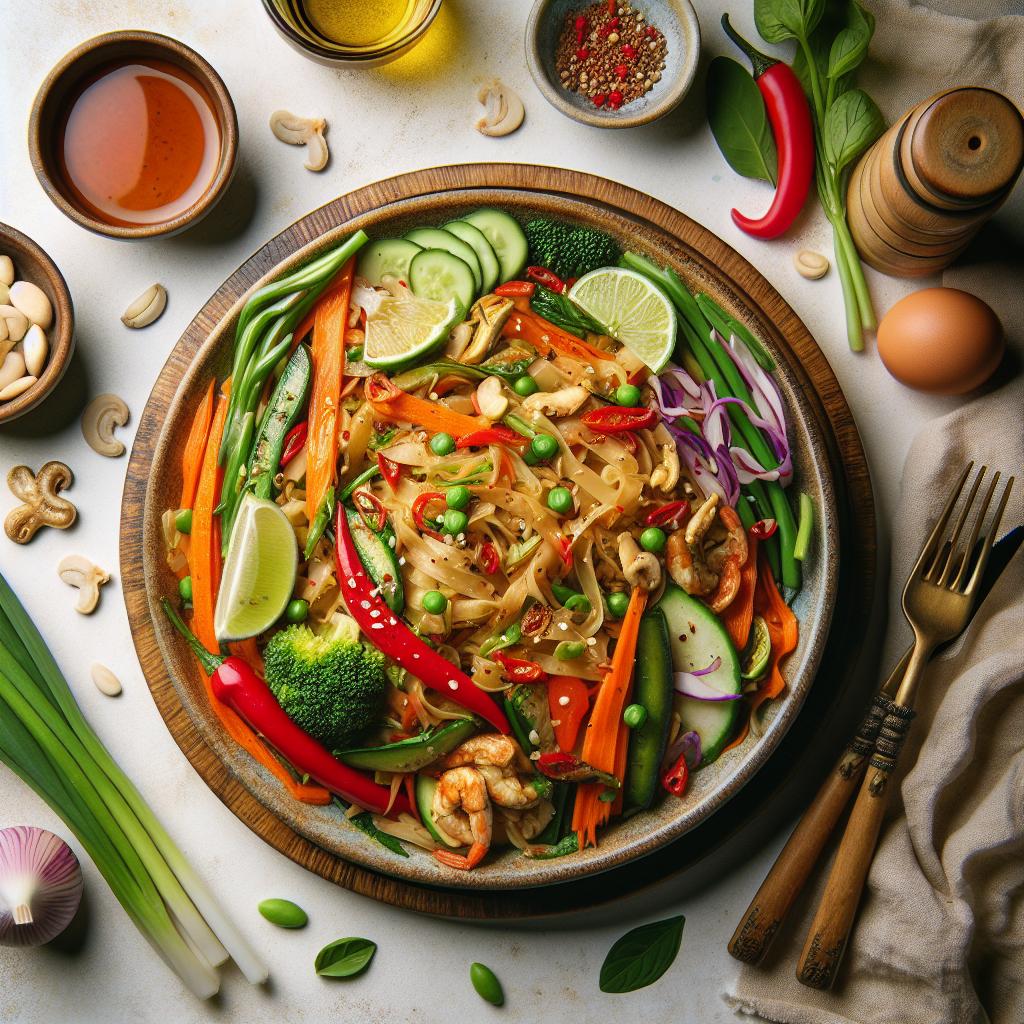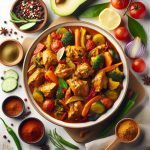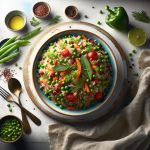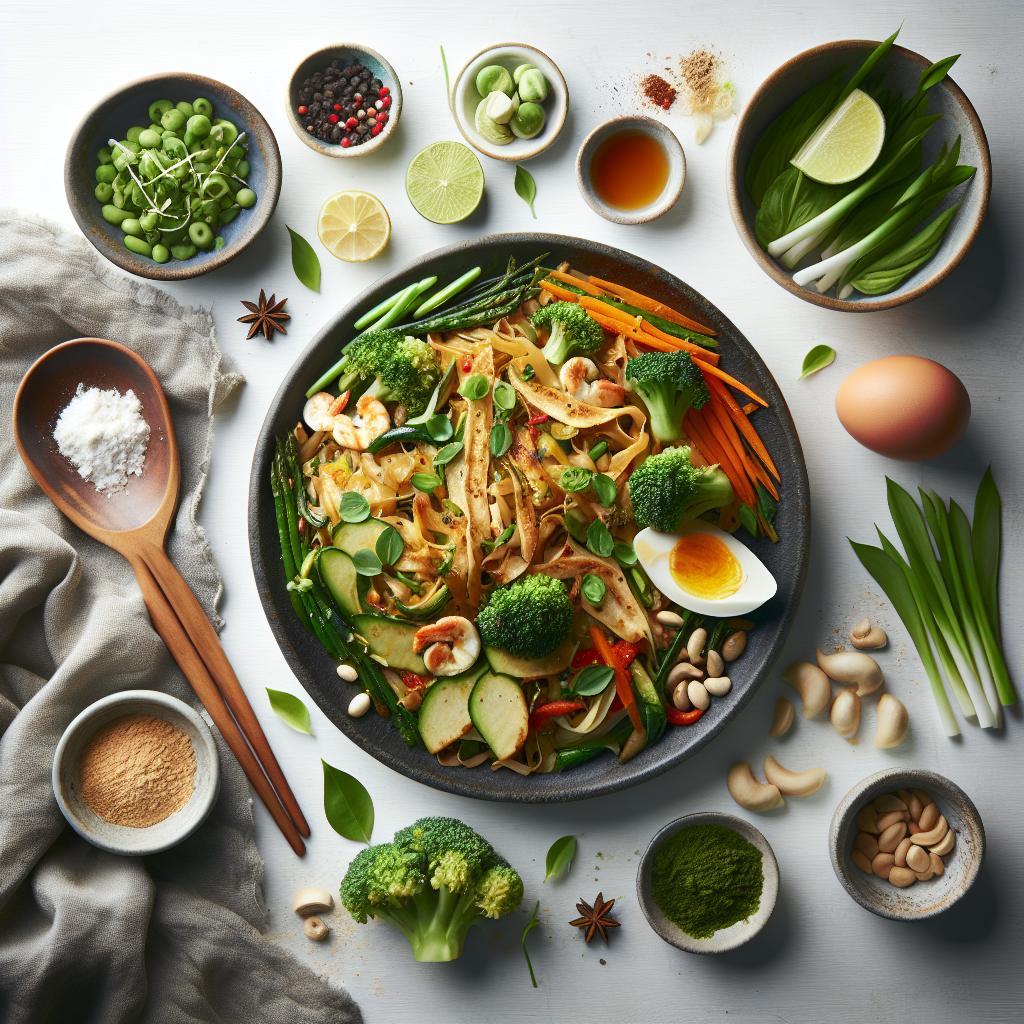

Bright, vibrant, and bursting with flavors, Veggie Pad Thai offers a delightful twist on the beloved Thai street food classic. This colorful rendition transforms the traditional noodle dish into a garden-fresh celebration of vegetables, blending crisp textures and aromatic spices that dance on the palate. Whether you’re a longtime fan of Pad Thai or a curious culinary explorer, this veggie-packed version invites you to experience a nourishing, visually stunning meal that’s as wholesome as it is delicious. Join us as we unravel the secrets to crafting this vibrant, healthful take on a timeless favorite.
Veggie Pad Thai: A Colorful Twist on a Classic Favorite
Veggie Pad Thai bursts forth as a vibrant and wholesome rendition of the beloved Thai street food staple, blending crisp fresh vegetables with the perfect tangy, sweet, and savory balance. Originating from Thailand’s bustling night markets, this adapted version respects the classic’s spirit while inviting a kaleidoscope of plant-based goodness to the table. Every time I prepare this dish, the intoxicating aroma of tamarind and toasted peanuts fills my kitchen, setting the stage for an unforgettable meal that’s both nourishing and visually stunning.
Prep and Cook Time
- Prep Time: 15 minutes
- Cook Time: 15 minutes
- Total Time: 30 minutes
Yield
Serves 4 generous portions, perfect for a weeknight dinner or casual lunch gathering.
Difficulty Level
Easy to Medium – with clear steps that even novice cooks can follow confidently.
Ingredients
- 8 ounces rice noodles (soaked in warm water for 30 minutes)
- 2 tablespoons vegetable oil
- 1 cup diced firm tofu, pressed and cubed
- 3 cloves garlic, minced
- 1 cup shredded carrots
- 1 cup thinly sliced red bell pepper
- 1/2 cup chopped green onions (white and green parts separated)
- 1 cup bean sprouts, rinsed and drained
- 2 large eggs, lightly beaten (optional for ovo-vegetarians)
- 1/4 cup roasted peanuts, roughly chopped
- 1 lime, cut into wedges
- Fresh cilantro, roughly chopped for garnish
- For the sauce:
- 3 tablespoons tamarind paste
- 2 tablespoons soy sauce or tamari
- 1 tablespoon maple syrup or palm sugar
- 1 tablespoon fresh lime juice
- 1/2 teaspoon chili flakes (adjust to taste)
Instructions
- Prepare the noodles: Soak rice noodles in warm water for 30 minutes until pliable but not mushy. Drain and set aside.
- Make the sauce: In a small bowl, whisk together tamarind paste, soy sauce, maple syrup, lime juice, and chili flakes. Adjust seasoning for your preferred balance of tangy and sweet.
- Sauté tofu and aromatics: Heat vegetable oil in a large non-stick skillet or wok over medium-high heat. Add tofu cubes and sauté until golden brown, about 5 minutes. Stir in minced garlic and white parts of the green onions; cook for another minute until fragrant.
- Cook the eggs (optional): Push tofu and aromatics to the side of the pan. Pour in beaten eggs and scramble gently until just set, then mix everything together.
- Combine noodles and vegetables: Add drained noodles to the skillet along with shredded carrots and bell peppers. Toss well to combine.
- Add sauce: Pour the prepared sauce over the noodle mixture. Toss vigorously for 2-3 minutes to ensure noodles absorb the vibrant flavors without sticking.
- Finish with fresh ingredients: Remove from heat and fold in bean sprouts and the green parts of the green onions. These add an irresistible crunch and brightness.
- Plate and garnish: Serve immediately, topped generously with chopped peanuts, fresh cilantro, and lime wedges on the side for squeezing.
Tips for Success
- Rice noodles: Soak rather than boil to prevent overcooking, giving you that perfect al dente bite.
- Tamarind paste: For authenticity, choose a pure tamarind paste without added sugars; it’s the heart of the sauce’s bright tang.
- Variations: For a completely vegan version, omit the eggs or replace with crumbled firm tofu sautéed with turmeric for color and texture.
- Batch cooking: Prep your sauce and chop veggies ahead for a quick stir-fry come mealtime.
- Heat adjustment: Tweak the chili flakes based on your spice tolerance – the dish should delight, not overwhelm.
Creative Garnishes and Serving Suggestions
Elevate your Veggie Pad Thai with a playful yet elegant presentation. Scatter freshly chopped cilantro and crushed roasted peanuts over the noodles for crunch and herbal freshness. Serve lime wedges artfully alongside to encourage diners to tailor their citrus kick.
Consider adding a scattering of thinly sliced red chili rings or a drizzle of chili oil for an extra spark of color and fire. For a touch of whimsy, a side of pickled radishes or cucumber ribbons complements the dish’s hearty flavors with crisp acidity.
Pair this vibrant veggie delight with a side of fragrant jasmine rice or a light Thai cucumber salad to round out your meal with refreshing notes and contrasting textures.
| Nutrient | Per Serving |
|---|---|
| Calories | 370 kcal |
| Protein | 15 g |
| Carbohydrates | 45 g |
| Fat | 12 g |

For further inspiration on plant-based Thai recipes, check out our Thai Vegetarian Recipes collection. Dive deep into the ancient benefits of tamarind and its role in traditional cuisines with this informative guide from Encyclopedia Britannica.
Q&A
Q&A: Veggie Pad Thai – A Colorful Twist on a Classic Favorite
Q1: What makes Veggie Pad Thai different from the traditional version?
A1: Veggie Pad Thai swaps out the usual proteins like chicken or shrimp for a vibrant mix of fresh, crunchy vegetables. This colorful medley not only adds a variety of textures but also boosts the dish’s nutritional value, making it both wholesome and delightful.
Q2: Which vegetables work best in Veggie Pad Thai?
A2: Snap peas, bell peppers, shredded carrots, bean sprouts, and green onions are fantastic choices. Each vegetable brings its own pop of color and crunch, creating an exciting harmony of flavors in every bite.
Q3: How is the classic Pad Thai sauce adapted for the veggie version?
A3: The signature sauce remains a perfect balance of sweet, tangy, and savory, usually made from tamarind paste, lime juice, soy sauce, and a touch of brown sugar. For the veggie version, this sauce beautifully complements the fresh flavors without overpowering the crisp vegetables.
Q4: Can Veggie Pad Thai be made gluten-free?
A4: Absolutely! Simply use gluten-free tamari in place of traditional soy sauce, and ensure that your rice noodles and other ingredients are certified gluten-free. This tweak keeps the dish accessible to those with gluten sensitivities without sacrificing flavor.
Q5: What are some nutritious benefits of choosing a veggie-centered Pad Thai?
A5: Loading up on veggies ramps up your intake of fiber, vitamins, and antioxidants. This makes the dish not only a feast for the senses but also a booster for your overall well-being-perfectly satisfying and nourishing.
Q6: Is it easy to customize Veggie Pad Thai to suit different tastes?
A6: Yes! The recipe is wonderfully flexible. You can add tofu for extra protein, sprinkle crushed peanuts for crunch, or adjust the spice level with chili flakes-making it your own creative canvas.
Q7: What’s the best way to prepare the noodles for Veggie Pad Thai?
A7: Soak the rice noodles in warm water until just tender before stir-frying. This ensures they’re soft yet firm enough to hold up well amidst the medley of veggies and sauce, creating that iconic silky, slurp-worthy texture.
Q8: How can I brighten up the presentation of my Veggie Pad Thai?
A8: Garnish with fresh cilantro, lime wedges, and a dusting of roasted peanuts or sesame seeds. The vibrant veggies combined with these colorful toppings turn the dish into a visual masterpiece that’s as inviting as its aroma.
Q9: Is Veggie Pad Thai suitable for those following a plant-based diet?
A9: Definitely! As a naturally plant-powered dish filled with vegetables and noodles, it’s a delicious option for vegetarians and vegans alike-just be mindful to use vegetarian-friendly sauces if strict about animal products.
Q10: What side dishes pair well with Veggie Pad Thai?
A10: Light and fresh sides like a crisp cucumber salad or a bowl of miso soup complement the flavorful noodles beautifully without overshadowing them, rounding out a balanced and satisfying meal.
This Q&A highlights the vibrant essence and versatility of Veggie Pad Thai, inviting everyone to enjoy a colorful twist on this beloved classic!
Wrapping Up
As you savor the vibrant flavors and crisp textures of this Veggie Pad Thai, it’s easy to see how a classic dish can be transformed into a colorful celebration of fresh, wholesome ingredients. This twist not only delights the palate but also invites you to explore the endless possibilities of plant-based cooking-proving that tradition and innovation can stir together in perfect harmony. So next time you crave that beloved Thai favorite, let your creativity shine and your taste buds dance with this nourishing, rainbow-hued rendition. Fresh, flavorful, and undeniably satisfying-Veggie Pad Thai is where classic comfort meets colorful reinvention.