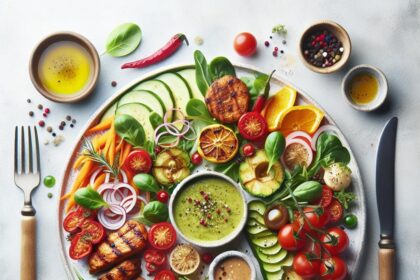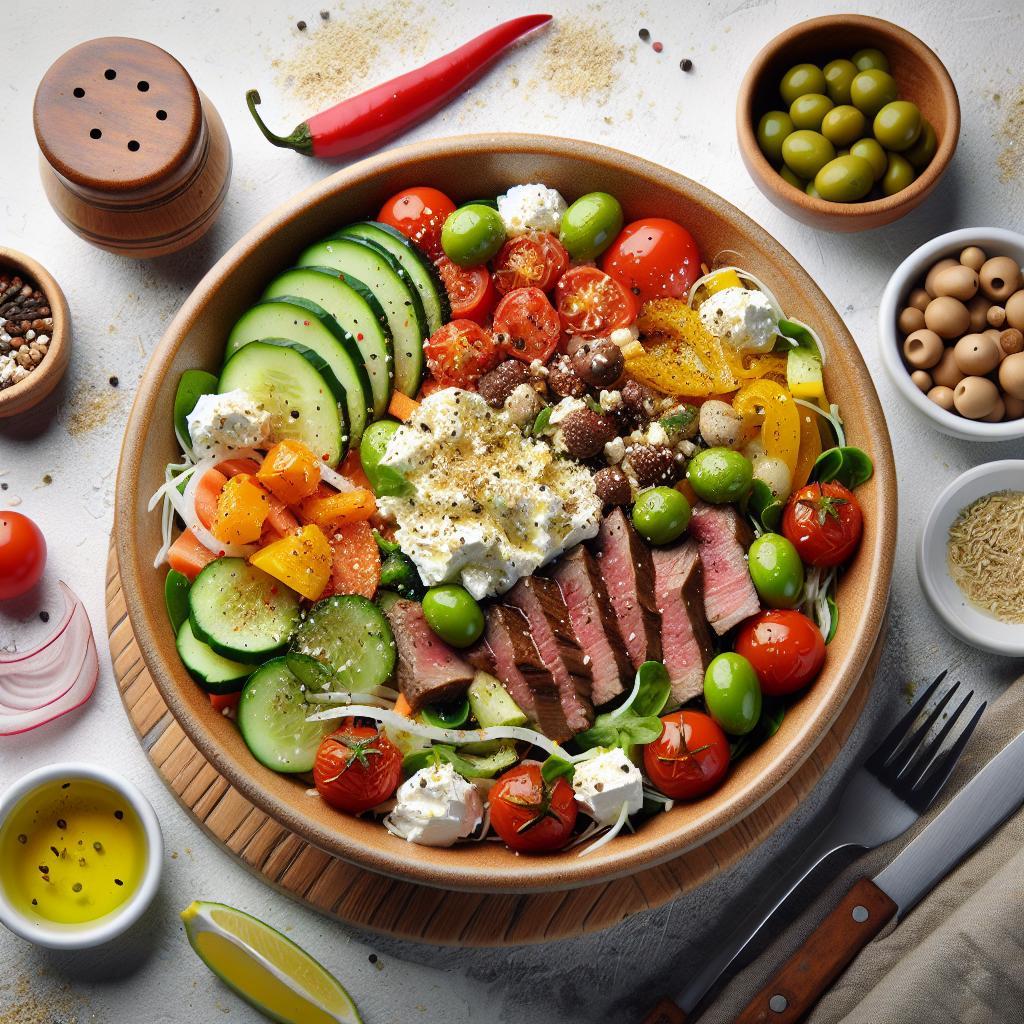

Step into a world where every bite tells a story, and every ingredient carries the whispers of ancient traditions. The Greek bowl delight is more than just a meal-it’s a vibrant tapestry woven from centuries of culinary heritage and Mediterranean sunshine. From the sun-kissed hills of the Aegean to bustling city marketplaces, this iconic dish invites you to explore the rich history and unforgettable flavors that have made it a timeless favorite. Join us as we uncover the origins, cultural significance, and mouthwatering components that make the Greek bowl delight a feast for both the senses and the soul.
- The Origins and Cultural Significance of the Greek Bowl Delight
- Prep and Cook Time
- Yield
- Difficulty Level
- Key Ingredients That Define Authentic Greek Flavors
- Creative Twists to Elevate Your Greek Bowl Experience
- Instructions
- Chef’s Notes: Tips for Success
- Serving Suggestions
- Top Restaurants and Recipes to Savor the Greek Bowl Delight
- Q&A
- In Retrospect
The Origins and Cultural Significance of the Greek Bowl Delight
Discover the Rich History and Flavor of the Greek Bowl Delight through its roots in vibrant Mediterranean culture. This wholesome dish embodies the essence of Greek hospitality-bringing together colorful, fresh ingredients that celebrate the bounty of the land and sea. Originating from traditional Greek meze and village feasts, the Greek Bowl has evolved as a convenient, nourishing way to enjoy iconic flavors like tangy feta, briny olives, and aromatic herbs all in one bowl. Inspired by a personal journey across Santorini’s sun-soaked tavernas, this dish captures the timeless charm and communal spirit of Greek cuisine.
Prep and Cook Time
- Preparation Time: 20 minutes
- Cook Time: 15 minutes
Yield
- Serves 4 hearty portions
Difficulty Level
- Easy to Medium – perfect for home cooks looking to explore authentic tastes with ease
Key Ingredients That Define Authentic Greek Flavors
- 1 ½ cups cooked farro or orzo – adds a chewy, nutty base
- 1 cup cherry tomatoes, halved – bright and juicy
- 1 medium cucumber, diced – crisp, cooling crunch
- ½ cup Kalamata olives – deeply savory, classic Greek brine
- ½ cup crumbled feta cheese – creamy, tangy, and slightly salty
- ¼ cup red onion, thinly sliced – pungent with a sweet finish
- 2 tablespoons extra virgin olive oil – fruity richness binds flavors
- Juice of 1 lemon – vibrant acidity to brighten the bowl
- 2 teaspoons dried oregano – aromatic herb that defines Greek cooking
- Fresh parsley and dill, roughly chopped for garnish
- Salt and freshly cracked black pepper, to taste
Creative Twists to Elevate Your Greek Bowl Experience
While traditional elements create the foundation, adding grilled chicken marinated in garlic and lemon or sautéed shrimp with smoked paprika can bring delightful protein variations. For a vegan spin, swap feta with creamy almond “feta” or marinated tofu cubes. Roasted pine nuts or toasted chickpeas add satisfying crunch, while a drizzle of tahini-lemon sauce enhances texture and flavor complexity.
Instructions
- Prepare the grain base: Cook farro or orzo in salted boiling water according to package instructions until tender but firm; drain and transfer to a large mixing bowl.
- Add fresh produce: Toss in halved cherry tomatoes, diced cucumber, thinly sliced red onion, and Kalamata olives.
- In a small bowl, whisk together extra virgin olive oil, lemon juice, dried oregano, salt, and pepper until well combined.
- Pour the dressing evenly over the grain and vegetable mixture; gently fold to combine ensuring all ingredients are coated.
- Sprinkle crumbled feta, fresh parsley, and dill over the top; give a very light toss or leave garnished beautifully for an inviting presentation.
- For enhanced flavor, allow the bowl to rest at room temperature for 10 minutes before serving, letting the dressing meld with the ingredients.
Chef’s Notes: Tips for Success
- Grain Choice: Farro or orzo work wonderfully, but you can substitute with quinoa or bulgur for different textures.
- Olives: Rinse Kalamata olives to reduce saltiness if desired.
- Make-Ahead: This bowl can be prepped up to 4 hours ahead; store dressing separately to keep ingredients fresh.
- Customizable Garnishes: Add roasted red peppers or artichoke hearts for extra Mediterranean flair.
Serving Suggestions
Serve your Greek Bowl Delight in vibrant ceramic bowls to highlight the colors. Accompany each serving with warm pita wedges or crunchy lavash. A dusting of smoked paprika or sumac on top adds a subtle hint of warmth and exotic aroma. Pair with a side of tzatziki or a simple lemon-garlic yogurt sauce for a refreshing contrast. Garnish with extra fresh herbs and a wedge of lemon for squeezing.

Top Restaurants and Recipes to Savor the Greek Bowl Delight
To indulge further, explore acclaimed Mediterranean eateries such as Athens Taverna renowned for traditional Greek flavors with a modern twist. Renowned chefs have also shared inspired Greek Bowl recipes, like Melissa’s wholesome take on Mediterranean grains or YiaYia’s kitchen method focusing on rustic, homestyle ingredients. Check out our related post on Mediterranean Diet Health Benefits to understand how dishes like this contribute to wellness and vibrant living.
| Nutrient | Per Serving |
|---|---|
| Calories | 350 kcal |
| Protein | 12 g |
| Carbohydrates | 38 g |
| Fat | 15 g |
Q&A
Q&A: Discover the Rich History and Flavor of the Greek Bowl Delight
Q1: What is a Greek Bowl Delight?
A Greek Bowl Delight is a vibrant, colorful dish that combines the freshest Mediterranean ingredients into a wholesome, balanced meal. It typically features a base of grains or greens, topped with an array of traditional Greek flavors such as olives, feta cheese, cucumbers, tomatoes, and herbs like oregano and dill, all dressed in a zesty lemon-olive oil dressing.
Q2: Where does the Greek Bowl Delight originate from?
The roots of the Greek Bowl Delight trace back to the ancient Mediterranean diet, celebrated for its reliance on fresh, seasonal produce, whole grains, legumes, and dairy. This dish embodies the spirit of Greek culinary tradition-simple, wholesome, and bursting with natural flavors that have been enjoyed for centuries.
Q3: Why is the Greek Bowl Delight so flavorful despite its simplicity?
Greek cuisine masterfully uses a few high-quality ingredients that pack a flavor punch. The balance of tangy feta, briny olives, ripe tomatoes, and fresh herbs creates a harmonious taste experience. Each component complements the others, offering layers of texture and flavor without overwhelming the palate.
Q4: What makes the Greek Bowl Delight a healthy meal choice?
Rich in vitamins, fiber, and healthy fats, the Greek Bowl Delight champions balanced nutrition. Fresh vegetables provide antioxidants, whole grains offer sustained energy, and olive oil delivers heart-healthy fats, making it a nourishing choice for any time of day.
Q5: Can the Greek Bowl Delight be customized?
Absolutely! One of the beauties of this dish is its versatility. You can swap grains like quinoa, bulgur, or brown rice, or add ingredients such as roasted chickpeas, artichoke hearts, or grilled vegetables. The key is maintaining the essence of Greek flavors while tailoring it to your preferences.
Q6: What are some traditional herbs and spices used in the Greek Bowl Delight?
Oregano is king among the herbs, lending its earthy, slightly peppery aroma. Dill adds a bright, fresh note, while mint can offer a surprising burst of fragrance. Lemon zest and garlic also play crucial roles in amplifying the dish’s vibrant character.
Q7: How can someone make an authentic Greek dressing for the bowl?
An authentic dressing starts with extra virgin olive oil and freshly squeezed lemon juice, blended with a pinch of dried oregano, a touch of garlic, sea salt, and freshly ground black pepper. Whisk these together until emulsified, then drizzle generously over the bowl for that signature tangy finish.
In Retrospect
As we close the chapter on our flavorful journey through the Greek bowl delight, it’s clear that this dish is more than just a meal-it’s a vibrant story served in a bowl. From its ancient roots steeped in Mediterranean tradition to the freshest ingredients that bring each bite to life, the Greek bowl is a testament to a culture that celebrates both history and harmony on the plate. Whether you savor it in a bustling Athenian taverna or recreate it in your own kitchen, the Greek bowl invites you to connect with a heritage rich in flavor and warmth. So next time hunger calls, remember: you’re not just eating-you’re experiencing a delicious slice of Greece itself. Opa!