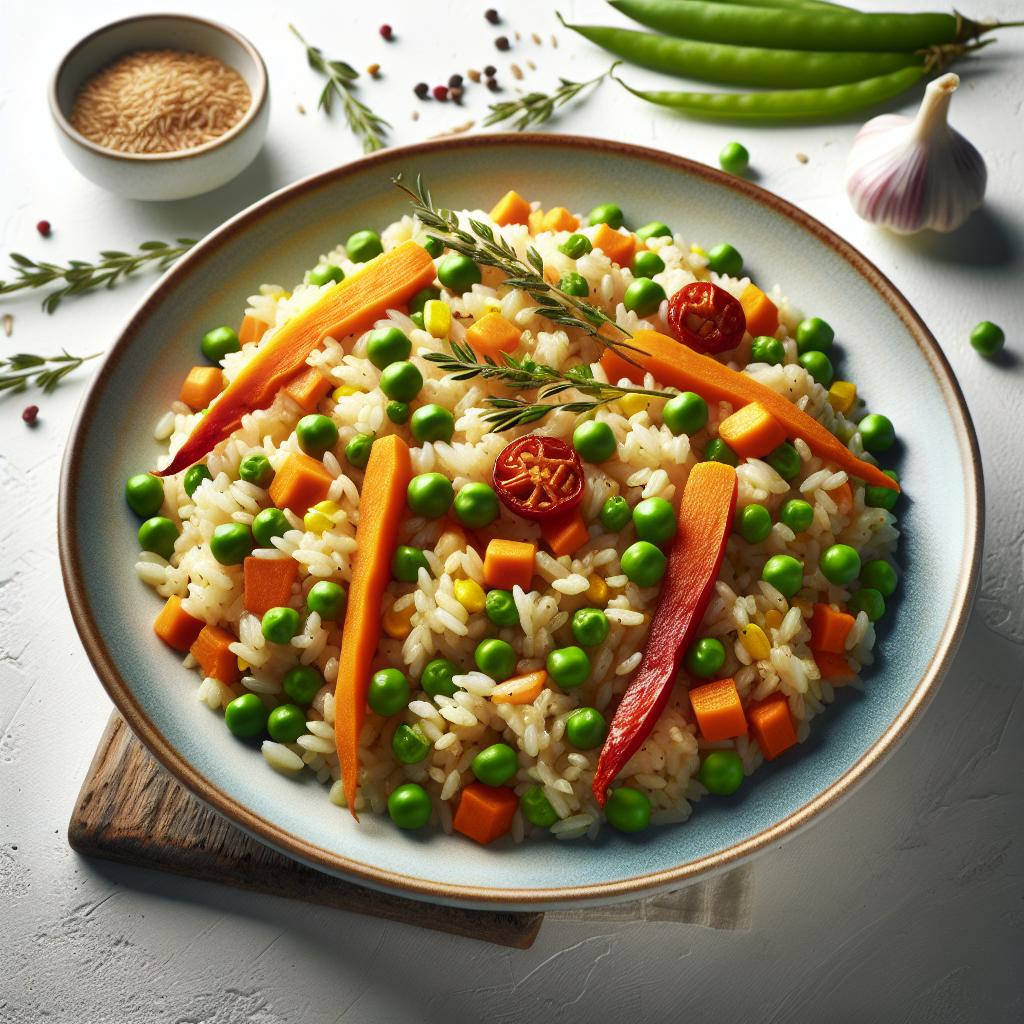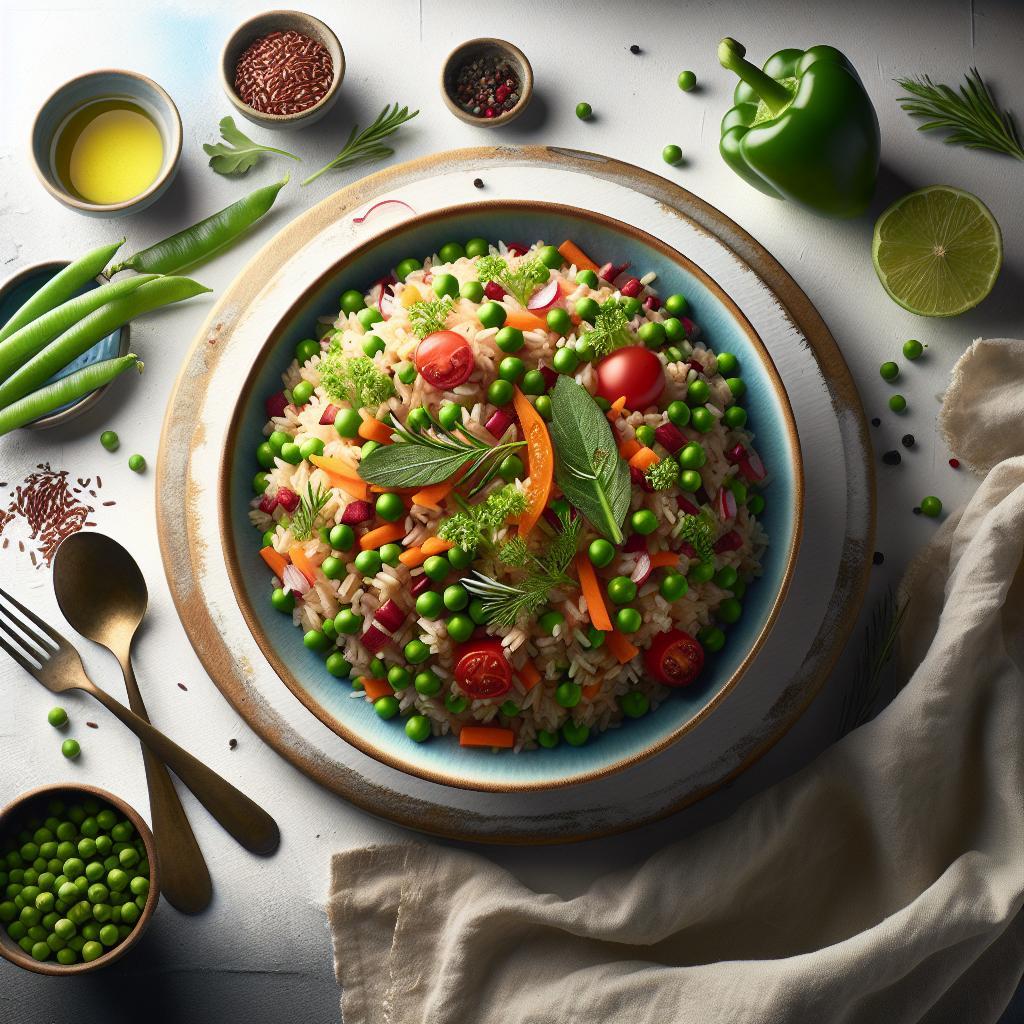

In the vibrant tapestry of global cuisine, few dishes capture the essence of comfort and culture quite like rice and pea pilaf. This timeless harmony of fluffy grains and tender peas has journeyed through centuries and continents, celebrating simplicity and flavor in every bite. “Savor the Harmony: A Flavorful Guide to Rice and Pea Pilaf” invites you to explore the rich history, diverse variations, and expert techniques behind this beloved dish. Whether you are a seasoned cook or a curious foodie, join us as we uncover how humble ingredients come together to create a symphony of taste that’s both nourishing and endlessly satisfying.
Rice and pea pilaf is a delightful fusion of textures and flavors, a timeless dish that carries with it stories of communal feasts and heritage kitchens worldwide. Rooted deeply in Middle Eastern and Caribbean culinary traditions, this vibrant pilaf marries the nutty aroma of perfectly toasted rice with tender, earthy peas, elevating a simple grain and legume combination into a celebration of harmony on your plate. Whether served at festive gatherings or as a comforting weeknight staple, mastering this dish invites you into an experience where each bite tells a story of cultural exchange and time-honored recipes.
Prep and Cook Time
- Preparation: 15 minutes
- Cooking: 30 minutes
- Total Time: 45 minutes
Yield
- Serves 4-6 people generously
Difficulty Level
- Medium – ideal for home cooks looking to refine their pilaf technique
Ingredients
- 1 ½ cups long-grain basmati rice, rinsed and soaked for 20 minutes
- 1 cup dried pigeon peas or canned chickpeas, drained and rinsed
- 3 tablespoons olive oil or refined coconut oil
- 1 medium onion, finely chopped
- 3 cloves garlic, minced
- 1 teaspoon ground cumin
- ½ teaspoon turmeric powder
- 1 teaspoon smoked paprika
- 2 ½ cups vegetable broth, preferably low-sodium
- Salt to taste
- Fresh cilantro leaves for garnish
- Juice of ½ lemon, optional for brightness
Instructions
- Prepare the peas: If using dried peas, soak overnight and boil until tender but not mushy, about 25-30 minutes. For canned legumes, simply rinse well and set aside.
- Sauté the aromatics: Heat olive oil in a heavy-bottomed pot over medium heat. Add onions and sauté until translucent, about 5 minutes. Stir in garlic and cook until fragrant, about 1 minute.
- Toast the spices: Add cumin, turmeric, and smoked paprika to the onion mixture. Stir continuously for 30 seconds to release their full aroma without burning.
- Toast the rice: Drain soaked rice and add to the pot. Sauté for 3-4 minutes, stirring gently, until the grains are well-coated and lightly toasted to enhance the nutty flavor.
- Add peas and broth: Stir in the cooked peas and pour in vegetable broth. Season with salt and bring to a gentle boil.
- Simmer to perfection: Reduce heat to low, cover, and cook undisturbed for 18-20 minutes until the rice is fluffy and all liquid is absorbed.
- Rest and finish: Remove pot from heat and let the pilaf rest, covered, for 5 minutes. Fluff with a fork and gently mix in lemon juice if desired.
- Garnish and serve: Transfer to a serving dish, scatter fresh cilantro over the top, and enjoy your vibrant pilaf experience.
Chef’s Notes: Tips for Success
- Rice Selection: Choosing basmati or jasmine rice enhances the dish with aromatic, separated grains. Avoid short-grain rice as it tends to be stickier, changing the pilaf’s texture.
- Peas Substitutions: Pigeon peas are traditional but chickpeas or green peas offer delicious alternatives. For a quicker version, canned legumes work well without sacrificing flavor.
- Broth Impacts: Using vegetable broth instead of water enriches the pilaf with umami depth. Homemade or high-quality store-bought broths make the greatest difference.
- Spice Variations: Experiment with warm spices like cinnamon sticks or cardamom pods for a subtly different fragrance profile-just add them during the sauté stage.
- Cooking Technique: Avoid stirring the pilaf once the broth is added to ensure fluffy texture and prevent breaking the rice grains.
- Make-ahead: Prepare the pilaf a day in advance and refrigerate. Reheat gently on the stovetop with a splash of broth to restore moisture.
Creative Serving Suggestions and Pairings
Present your rice and pea pilaf as a star side dish accompanied by vibrant roasted vegetables, or nestle it alongside grilled lemon-herb chicken for a balanced meal. Its versatile flavor profile lends well to bold condiments like a creamy avocado salsa or tangy mango chutney. Garnish with toasted pine nuts or slivered almonds for delightful crunch. A squeeze of fresh lemon brightens each bite, while a scattering of finely chopped fresh herbs like parsley or mint enhances the freshness. For a festive touch, serve it in a colorful ceramic bowl that complements the golden hues of the pilaf.
| Nutrient | Per Serving (Approx.) |
|---|---|
| Calories | 280 kcal |
| Protein | 8 g |
| Carbohydrates | 50 g |
| Fat | 7 g |
For further inspiration on side dishes to complement your pilaf, explore our article on Ultimate Vegetable Side Dishes. To delve deeper into the history of rice cultivation, check out the Britannica entry on Rice.

Q&A
Q&A: Savor the Harmony: A Flavorful Guide to Rice and Pea Pilaf
Q1: What makes rice and pea pilaf a timeless dish?
A1: Rice and pea pilaf is a celebration of simplicity and balance. The tender, fluffy rice combined with sweet, vibrant peas creates a harmonious melody of textures and flavors that feel both comforting and elegant. Its timeless appeal lies in its versatility, nutritional value, and the ability to adapt to countless seasoning styles.
Q2: Which type of rice is best for making pilaf?
A2: Long-grain rice varieties like basmati or jasmine are ideal for pilaf because they remain separate and fluffy when cooked. Their aromatic qualities enhance the dish, offering a fragrant backdrop that complements the sweet pop of peas perfectly.
Q3: How do you achieve perfect texture in rice and pea pilaf?
A3: The secret is in a gentle toasting of the rice before simmering it in broth, which adds depth and prevents stickiness. Adding the peas towards the end of cooking helps retain their vibrant color and tender snap, ensuring the pilaf has a lively texture.
Q4: What spices or herbs elevate the dish without overpowering it?
A4: A sprinkle of toasted cumin seeds or a pinch of cinnamon can introduce exciting warmth, while fresh herbs like parsley, dill, or mint bring a refreshing brightness. These flavors enhance without overshadowing the natural sweetness of the peas or the subtle nuttiness of the rice.
Q5: Can rice and pea pilaf be adapted for special diets?
A5: Absolutely! This dish naturally fits vegetarian and vegan diets by using vegetable broth and olive oil for cooking. Gluten-free by nature, rice and pea pilaf is a safe and satisfying choice for those with gluten sensitivities.
Q6: What are good complementary dishes to serve alongside pilaf?
A6: Pilaf shines both as a main and a side. Pair it with roasted vegetables, spiced legumes, or grilled tofu for a hearty vegetarian meal. Its light yet flavorful character also complements lean proteins like chicken or fish, creating a balanced and colorful plate.
Q7: How can leftovers be creatively reinvented?
A7: Leftover rice and pea pilaf can be transformed into stuffed peppers, crispy rice cakes, or a flavorful base for a grain bowl topped with roasted veggies and tahini dressing. It’s a canvas ready for your culinary creativity.
Q8: Is it possible to make this dish ahead of time?
A8: Yes! Pilaf tastes wonderful when made in advance because the flavors deepen as it rests. Simply cool the pilaf, store it in an airtight container in the fridge, and gently reheat with a splash of broth to soften the grains before serving.
Q9: What’s the cultural significance of rice and pea pilaf?
A9: Rice and pea pilaf is a dish that resonates across many cultures, symbolizing hospitality and nourishing simplicity. From the Middle East to the Mediterranean and beyond, it carries stories of shared meals and family traditions, making it more than just food-it’s a reminder of connection.
Q10: How can home cooks experiment with this pilaf recipe?
A10: Start by swapping peas for other legumes like lentils or chickpeas, or infuse the cooking broth with saffron or turmeric to change the color and depth of flavor. Adding toasted nuts or dried fruits can introduce texture and a hint of sweetness, inviting a playful yet sophisticated twist on this classic dish.
To Conclude
As the fragrant steam rises from your bowl of rice and pea pilaf, you’re reminded that this humble dish is more than a simple side-it’s a celebration of balance and tradition. Each grain and tender pea tells a story of cultures intertwaterd and flavors harmonized, inviting your palate on a journey that is both comforting and exciting. Whether served at a festive feast or a quiet weeknight dinner, this pilaf stands as a flavorful testament to the beauty of simplicity elevated by thoughtful ingredients. So next time you embark on a culinary adventure, let rice and pea pilaf be your guide-savor the harmony, and discover the delicious symphony waiting within every bite.