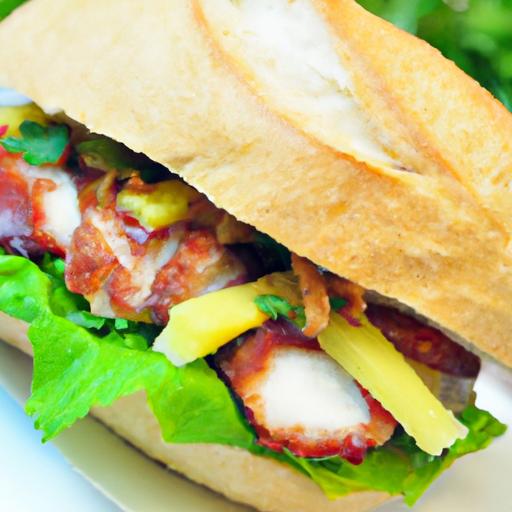

In the bustling streets of Vietnam, a humble sandwich was born-one that marries the crisp freshness of French baguettes with vibrant Southeast Asian flavors. Today, banh mi has transcended its origins, evolving into a beloved Vietnamese-American culinary icon. This fusion delight is more than just a sandwich; it’s a crispy, savory mosaic of history, culture, and taste that captures the adventurous spirit of two worlds colliding in the most delicious way. Join us as we explore the origins, evolution, and enduring appeal of banh mi, a sandwich that tells a story with every bite.
Banh Mi: The Vietnamese-American Sandwich Fusion Delight
Banh Mi: The Vietnamese-American Sandwich Fusion Delight is more than just a sandwich-it’s a vibrant symbol of culinary evolution where Eastern and Western flavors meet in perfect harmony. Rooted in Vietnam’s rich history and transformed by American innovation, this sandwich tells a story of cultural fusion through its crisp baguette, savory fillings, and bold, fresh accents. Whether you’re a seasoned foodie or a kitchen beginner, mastering the art of banh mi invites you to savor a burst of flavors with every bite.
Prep and Cook Time
- Preparation: 20 minutes
- Marinating: 30 minutes (optional but recommended)
- Cooking: 15 minutes
- Total Time: 1 hour 5 minutes
Yield
- Serves 4 hearty sandwiches
Difficulty Level
- Medium – great for those ready to explore layering flavors and textures
Ingredients
- 1 large French baguette (preferably Vietnamese-style with a light, airy crumb)
- 8 ounces pork shoulder, thinly sliced (or substitute with grilled chicken or tofu)
- 2 tablespoons soy sauce
- 1 tablespoon fish sauce
- 2 teaspoons sugar
- 1 teaspoon garlic powder
- 1 teaspoon freshly ground black pepper
- 1 cup daikon radish, julienned
- 1 cup carrot, julienned
- 3 tablespoons rice vinegar
- 1 tablespoon sugar (for pickling)
- 1 teaspoon salt
- 1 cucumber, thinly sliced
- 2 fresh jalapeño peppers, thinly sliced
- 1 small bunch cilantro, fresh
- 2 tablespoons mayonnaise (try mix with a bit of sriracha for spice)
- 1 tablespoon vegetable oil
Instructions
- Marinate the pork: In a shallow dish, combine soy sauce, fish sauce, sugar, garlic powder, and black pepper. Add the sliced pork, coat evenly, and let marinate for 30 minutes to absorb the flavors.
- Prepare the pickled vegetables: In a bowl, mix rice vinegar, sugar, and salt until dissolved. Add julienned daikon and carrot, soaking for at least 20 minutes to soften and tang.
- Cook the pork: Heat vegetable oil in a skillet over medium-high heat. Sauté the marinated pork slices until golden brown and cooked through, about 5 minutes, stirring occasionally to prevent sticking.
- Prep the baguette: Slice the baguette lengthwise, leaving a hinge. Lightly toast the bread for a crispy exterior and warm interior.
- Assemble the banh mi: Spread mayonnaise evenly on both inner surfaces of the baguette. Layer cooked pork slices, then add pickled daikon and carrot, cucumber slices, jalapeño, and a generous handful of cilantro.
- Final touch: Press the sandwich gently to meld the flavors and textures.
- Serve immediately: Slice into portions; enjoy the irresistible contrast of crunchy, tangy, spicy, and savory in each bite.
Chef’s Notes & Tips for Success
- Protein options: Try grilled lemongrass chicken, tofu marinated in soy and sesame, or traditional Vietnamese pork pate for authentic flair.
- Pickling shortcut: Quick-pickle the vegetables in advance; they keep well in the fridge for up to 3 days, adding convenience for busy cooks.
- Bread choice matters: Authentic banh mi uses a light, airy baguette with a thin, crisp crust – traditional French bread tends to be too dense.
- Balance your heat: Adjust jalapeño quantity to suit your spice tolerance, or substitute with mild bell peppers for a gentler kick.
- Make ahead: Prepare all fillings separately and assemble just before serving to maintain freshness and texture contrast.
Serving Suggestions
- Pair banh mi with a side of Vietnamese iced coffee or a refreshing lime soda to cut through the richness.
- Garnish with extra cilantro sprigs and a lime wedge to add zesty brightness.
- Serve alongside a crunchy green papaya salad for a balanced, colorful meal plate.
- For a shared experience, slice the sandwiches into smaller portions perfect for casual gatherings or picnics.
| Nutrient | Amount (per serving) |
|---|---|
| Calories | 450 kcal |
| Protein | 28 g |
| Carbohydrates | 45 g |
| Fat | 15 g |

Discover more about Vietnamese culinary traditions and fusion dishes in our Asian fusion cuisine guide. To delve deeper into the history behind banh mi, visit the Smithsonian’s feature on banh mi.
Q&A
Q: What exactly is Banh Mi?
A: Banh Mi is a delicious Vietnamese sandwich that captures the colorful fusion of East and West. It combines a crisp, airy French baguette with vibrant Vietnamese ingredients like pickled vegetables, fresh herbs, savory meats, and creamy pâté, creating a perfect harmony of flavors and textures.
Q: How did Banh Mi come to be a fusion delight?
A: The story of Banh Mi begins during French colonial rule in Vietnam, when the French introduced the baguette. Over time, Vietnamese cooks adapted the bread with local flavors-adding ingredients like cilantro, chili, pickled carrots, and pork. When Vietnamese immigrants brought Banh Mi to America, it blossomed further, mixing traditional recipes with creative, multicultural twists.
Q: What makes Banh Mi unique compared to other sandwiches?
A: Unlike many sandwiches, Banh Mi balances spicy, sweet, sour, and savory in every bite. The light crunch of the baguette contrasts beautifully with tender proteins and zesty fresh veggies. It’s this interplay that makes the sandwich simultaneously comforting and exciting.
Q: What are the classic fillings in a traditional Banh Mi?
A: Classic Banh Mi usually features slices of pork belly or grilled pork, a smear of liver pâté, pickled daikon and carrot, fresh cucumber slices, cilantro, jalapeños, and a dash of mayonnaise or soy sauce. Each component contributes a layer of flavor, creating a symphony in your mouth.
Q: How has Banh Mi evolved in the U.S.?
A: In America, Banh Mi has become a playground for culinary innovation. You’ll find everything from grilled chicken and tofu versions to creative fillings like Korean bulgogi, Mexican carnitas, or even vegan versions using jackfruit. This adaptability keeps Banh Mi vibrant and beloved by food adventurers.
Q: Why has Banh Mi gained such popularity beyond Vietnamese communities?
A: Banh Mi’s rise can be credited to its remarkable flavor complexity and portability-it’s a gourmet sandwich that satisfies quickly and compassionately. Its affordability and the fresh, wholesome ingredients appeal to a wide audience craving something both exotic and familiar.
Q: Can I make Banh Mi at home?
A: Absolutely! While sourcing the perfect baguette and pickled vegetables takes some effort, recipes abound online. Making your own Banh Mi is a fun way to explore Vietnamese flavors and customize your sandwich to your taste, whether spicy, sweet, or savory.
Q: What is the future of Banh Mi in the culinary world?
A: As global palates become more adventurous, Banh Mi continues to inspire chefs worldwide. Expect to see more inventive fillings, artisan breads, and even fusion desserts inspired by its distinctive flavor profile. It’s a sandwich rooted in tradition but always evolving-a true culinary delight.
Final Thoughts
As the crispy baguette crackles beneath your fingers and the vibrant medley of pickled vegetables dances atop tender, savory fillings, the banh mi reveals itself as more than just a sandwich-it is a delicious testament to cultural fusion and culinary creativity. From the bustling streets of Saigon to the diverse neighborhoods of American cities, this Vietnamese-American treasure continues to evolve, inviting food lovers everywhere to savor a bite of history, innovation, and undeniable flavor. Whether you’re a seasoned fan or a curious first-timer, the banh mi promises a journey for your taste buds that’s as rich and dynamic as the story it tells-one sandwich, countless stories, endless delight.