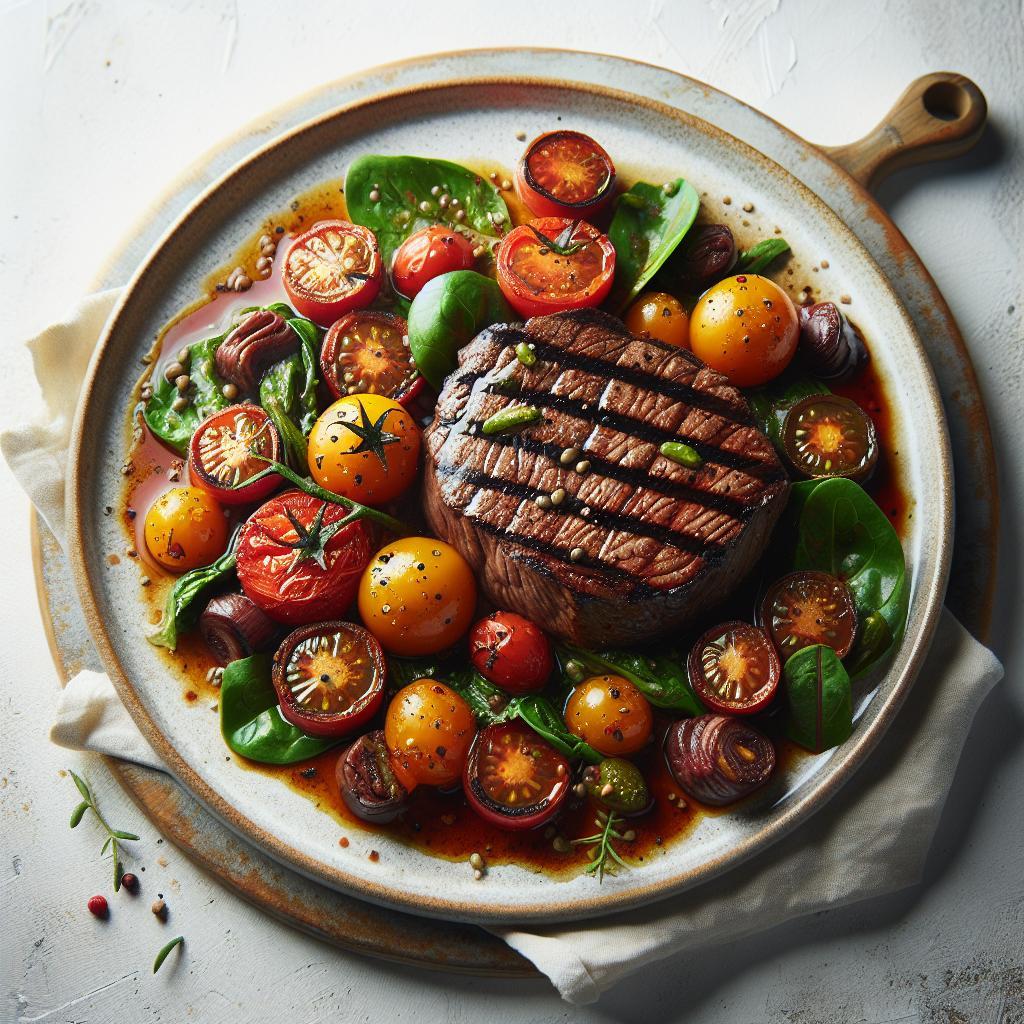

Beneath the lush canopy of summer gardens and bustling farmers’ markets lies a heavyweight champion of the tomato world-the beef tomato. A ruby-red colossus, this giant fruit has captivated taste buds and imaginations alike with its hefty size, juicy flesh, and robust flavor. But beyond its impressive appearance and culinary versatility, the beef tomato holds a world of fascinating secrets waiting to be uncovered. In this article, we peel back the layers to reveal the juicy story of nature’s giant fruit: its history, unique characteristics, and the science behind what makes the beef tomato a true titan of the garden. Prepare to see this familiar favorite through a fresh, flavorful lens.
- Beef Tomato Origins and Varietal Highlights
- Unlocking the Nutritional Powerhouse Within Beef Tomatoes
- Growing Tips for Maximizing Size and Flavor
- Creative Culinary Uses to Savor the Juiciest Beef Tomatoes
- Prep and Cook Time
- Yield
- Difficulty Level
- Ingredients
- Instructions
- Chef’s Notes
- Serving Suggestions
- Q&A
- In Conclusion
Beef Tomato Origins and Varietal Highlights
Beef Tomato Unveiled: Juicy Secrets of Nature’s Giant Fruit invites you to discover the rich heritage and vibrant varieties of this majestic fruit. Originating from the Andean regions of South America, beef tomatoes have captured the hearts of gardeners and chefs alike with their monumental size and luscious, meaty texture. These tomatoes are renowned for their thick flesh, minimal seeds, and sweet, balanced acidity-traits inherited from heirloom cultivars that date back centuries. Among the top varietals are ‘Brandywater Pink,’ famous for its rosy hue and buttery flavor; the bright and tangy ‘Mortgage Lifter’; and the striking ‘Cherokee Purple,’ whose dusky skin dazzles on any dish. Each variety offers a unique taste experience, making beef tomatoes a staple for those seeking bold freshness and hearty essence in their meals.
Unlocking the Nutritional Powerhouse Within Beef Tomatoes
Beyond their culinary versatility, beef tomatoes shine as nutritional powerhouses. Packed with vitamin C, potassium, and an abundance of antioxidant lycopene, they support heart health and immunity while offering low calorie content. Lycopene, especially concentrated in richly colored beef tomatoes, contributes to their vibrant red shades and provides potent protective benefits against oxidative stress. Including these tomatoes in your diet is an effortless and delicious way to nourish your body while enjoying the freshest flavors nature can offer.
Growing Tips for Maximizing Size and Flavor
To coax the largest, juiciest beef tomatoes from your garden, focus on soil richness and consistent care. Start with nutrient-dense, well-drained soil enriched with organic compost. Space plants generously-at least 24 inches apart-to ensure ample airflow and reduce disease risk. Regular deep watering encourages robust root systems, but be cautious not to overwater, which can dilute flavor and cause splitting. Pruning lower leaves aids air circulation, and staking is essential to support the heavy fruit clusters. For sweeter tomatoes, allow the fruit to ripen fully on the vine in direct sunlight, harvesting carefully to preserve their delicate skins and succulent interiors.
Creative Culinary Uses to Savor the Juiciest Beef Tomatoes
With their sumptuous texture and vibrant flavor, beef tomatoes deserve to star in your cooking repertoire. Use thick slices for classic caprese salads, layering fresh basil and creamy mozzarella drizzled with balsamic glaze for a visually stunning and refreshing appetizer. Stuff whole beef tomatoes with a mixture of quinoa, herbs, and feta, then bake until tender for a satisfying vegetarian entrée. Roasting brings out their natural sweetness-toss quartered beef tomatoes with garlic and olive oil before slowly roasting to create a rich base for sauces or soups. And for grilled perfection, brush slices lightly with herb-infused olive oil and char briefly to enhance smoky depths. No matter the method, beef tomatoes transform everyday dishes into memorable feasts bursting with juicy indulgence.
Prep and Cook Time
- Preparation: 15 minutes
- Cooking: 25 minutes
- Total Time: 40 minutes
Yield
Serves 4 generously
Difficulty Level
Medium
Ingredients
- 4 large beef tomatoes, ripe and firm
- 1 cup cooked quinoa
- ½ cup crumbled feta cheese
- ¼ cup fresh basil, chopped
- 2 cloves garlic, minced
- 2 tbsp extra virgin olive oil
- 1 tsp dried oregano
- Salt and freshly ground black pepper, to taste
- Optional garnish: fresh basil leaves and a drizzle of balsamic reduction
Instructions
- Preheat your oven to 375°F (190°C). Carefully cut the tops off the beef tomatoes and scoop out the seeds and pulp, leaving a sturdy shell about ½ inch thick. Set the scooped pulp aside.
- In a mixing bowl, combine the cooked quinoa, crumbled feta, chopped basil, minced garlic, olive oil, oregano, and a pinch of salt and pepper. Mix gently until well blended.
- Fill each tomato shell evenly with the quinoa mixture, pressing lightly to pack the filling without breaking the tomato walls.
- Place the stuffed tomatoes in a baking dish and drizzle with a little olive oil. If desired, spoon some reserved pulp around the tomatoes to add moisture and flavor while baking.
- Bake uncovered for 20-25 minutes, or until the tomatoes are tender but still holding their shape and the filling is warmed through.
- Remove from the oven and let rest for 5 minutes before serving. Garnish with fresh basil leaves and a subtle drizzle of balsamic reduction for a touch of sweetness and color contrast.
Chef’s Notes
- For a vegan version, substitute feta with crumbled tofu or a nut-based cheese alternative.
- Avoid overfilling the tomatoes to prevent tearing during baking-use leftovers in salads or soups.
- Roasting the seeds and pulp with a pinch of smoked paprika and salt creates a flavorful crunchy topping or garnish.
- Prepare stuffing ahead and refrigerate up to 24 hours; bake fresh when ready to serve.
Serving Suggestions
These stuffed beef tomatoes pair beautifully with a fresh arugula salad tossed in lemon vinaigrette, rustic crusty bread, or grilled vegetables. Their vivid red hue makes them an eye-catching centerpiece for summer dinner parties or a wholesome weeknight meal. Serve slightly warm or at room temperature to let all the layered flavors shine through. Add a sprinkle of toasted pine nuts or a scattering of microgreens to elevate presentation and texture.

| Nutrient | Per Serving |
|---|---|
| Calories | 210 kcal |
| Protein | 8 g |
| Carbohydrates | 22 g |
| Fat | 9 g |
Discover more ways to embrace the bounty of summer fruits with our guide on seasonal vegetable recipes. For additional scientific insights on the nutritional benefits of tomatoes, visit the National Institutes of Health.
Q&A
Q&A: Beef Tomato Unveiled – Juicy Secrets of Nature’s Giant Fruit
Q1: What exactly is a beef tomato, and how does it differ from regular tomatoes?
A1: The beef tomato is a grand spectacle among tomatoes, known for its impressive size and meaty texture. Unlike smaller salad or cherry tomatoes, beef tomatoes boast thick, juicy flesh and a robust, hearty flavor. Their large, round shape and slightly ribbed surface set them apart, making them a favorite for slicing and stuffing.
Q2: Why is the beef tomato sometimes called a fruit rather than a vegetable?
A2: Botanically speaking, tomatoes, including the beef variety, are fruits because they develop from the flower’s ovary and contain seeds. Despite their culinary use as vegetables, their fruit status highlights their role in nature’s reproductive toolkit.
Q3: What makes beef tomatoes so juicy and flavorful?
A3: Beef tomatoes owe their juiciness to a perfect balance of water content and dense pulp. This blend delivers a mouthwatering burst of juice with every bite. They also have a rich, slightly sweet umami flavor that deepens as they ripen, thanks to the natural sugars and organic acids concentrated in their thick flesh.
Q4: How can you tell when a beef tomato is perfectly ripe?
A4: A ripe beef tomato will feel heavy for its size and give slightly to gentle pressure, signaling soft, juicy flesh inside. Its skin will be vibrant red or orange-red with a glossy, taut surface, and the tomato should emit a fragrant, earthy aroma that hints at its rich flavor.
Q5: What are some creative ways to enjoy beef tomatoes in cooking?
A5: Their size and texture make beef tomatoes perfect for a variety of culinary adventures. Try slicing them thick for hearty sandwiches or layering them in vibrant salads with fresh basil and mozzarella. They’re also ideal for stuffing with grains, herbs, or savory fillings, then roasted to deepen their natural sweetness.
Q6: Can beef tomatoes be grown at home, and what conditions do they prefer?
A6: Absolutely! Beef tomatoes thrive in warm, sunny gardens with well-drained soil rich in organic matter. They need plenty of sunlight-at least six to eight hours a day-and consistent watering to develop their juicy flesh. Supporting their sturdy vines with cages or stakes encourages healthy growth and bountiful harvests.
Q7: Are there any health benefits associated with beef tomatoes?
A7: Yes! Beef tomatoes are an excellent source of vitamins C and A, antioxidants like lycopene, and dietary fiber. These nutrients support immune health, skin vitality, and may help combat oxidative stress. Enjoying beef tomatoes fresh or cooked maximizes their nourishing properties.
Q8: How do beef tomatoes fit into sustainable and seasonal eating habits?
A8: Growing and eating beef tomatoes in season supports sustainable practices by reducing the need for long-distance transport and artificial ripening. Their hearty nature means they store well when handled properly, reducing food waste. Choosing locally grown beef tomatoes helps celebrate the peak of their freshness and flavor in harmony with nature’s calendar.
In Conclusion
As we peel back the layers of the beef tomato, revealing its vibrant hues and succulent flesh, we come to appreciate not just a fruit, but nature’s masterpiece-a giant that nourishes the body and delights the senses. Beyond its impressive size lies a tapestry of flavors and nutritional riches, waiting to transform everyday meals into bold culinary adventures. So next time you encounter this juicy giant at the market or in your garden, remember: the beef tomato is more than just a fruit. It’s a vibrant story of nature’s generosity, inviting you to savor every luscious bite and celebrate the simple wonders growing right before your eyes.