
In the vibrant world of fermented beverages, where tradition meets innovation, Jun stands as a shimmering jewel-an effervescent elixir forged from honey and tea. Often hailed as the “champagne of kombuchas,” Jun captivates both the palate and the soul with its delicately sweet, floral notes and lively fizz. But beneath its golden bubbles lies a fascinating alchemy-a sweet science that blends ancient fermentation wisdom with the subtle art of balancing honey’s complex sugars and the delicate tea base. Join us as we unravel the mysteries of brewing Jun, exploring how this enchanting drink is crafted, the microbiology that fuels its magic, and the tastes that make every sip a celebration of nature’s sweetness turned effervescent.
Brewing Jun: The Sweet Science of Honey Kombucha Making
Brewing Jun is a captivating journey that intertwines ancient fermentation practices with modern flavor exploration. This effervescent honey kombucha variant originated in Tibetan and Mongolian cultures, where Jun tea was cherished not only for its refreshing qualities but also for its purported health benefits and spiritual significance. Having crafted several batches myself, I can attest to the magic that unfolds as wild cultures awaken and honey transforms into a bubbly, tangy elixir that dances on the palate. Understanding how to master honey fermentation for optimal flavor and balance transforms the process from a simple kitchen experiment into a rewarding tradition.
Prep and Cook Time
- Preparation: 15 minutes
- Primary Fermentation: 5 to 7 days
- Secondary Fermentation (for effervescence): 2 to 4 days
Yield
- Volume: Approximately 1 quart (1 liter) of brewed Jun tea
Difficulty Level
- Intermediate: Requires attentiveness to fermentation nuances and temperature control
Ingredients
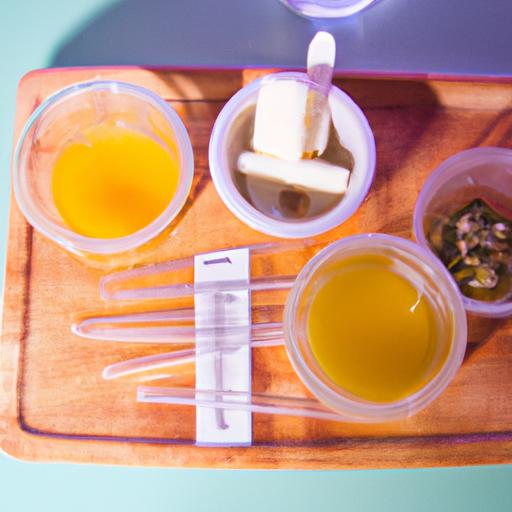
- 1/4 cup raw honey (preferably unpasteurized and from a trusted source)
- 4 cups filtered water (non-chlorinated for healthy SCOBY activity)
- 2 bags green tea (organic, or 2 teaspoons loose leaf)
- 1 Jun SCOBY (symbiotic culture of bacteria and yeast specific to honey fermentation)
- 1/4 cup starter Jun tea (from a previous batch or store-bought)
Instructions
- Boil 4 cups of filtered water and steep the green tea bags for 7 minutes to extract delicate aromas without bitterness. Remove the tea bags gently, allowing the infusion to cool to room temperature.
- Whisk in 1/4 cup raw honey while the tea is still warm but not hot-around 78°F (25°C)-to preserve the living enzymes in the honey and prevent killing the Jun SCOBY.
- Pour the honey tea base into a sterilized glass jar or fermentation vessel, ensuring ample headspace for the SCOBY to breathe and expand during fermentation.
- Gently place the Jun SCOBY on the surface of the liquid, then add 1/4 cup starter Jun tea to jump-start the fermentation process.
- Cover the jar with a tightly woven breathable cloth and secure it with a rubber band to keep out debris while allowing airflow.
- Place the jar in a cool, dark spot with a stable temperature between 68°F and 78°F (20-25.5°C). Let ferment for 5 to 7 days, tasting daily after day 4.
- Once your Jun tea achieves a balanced sweetness and tanginess, transfer it to airtight bottles for secondary fermentation to build effervescence. For optimal fizz, add subtle flavor boosters such as fresh ginger slices, lavender sprigs, or lemon zest.
- Seal bottles and ferment at room temperature for 2-4 days, burping daily to release excess pressure and prevent explosions.
- Refrigerate and enjoy chilled, garnished with a sprig of fresh mint or edible flowers to accentuate the bubbly delight.
Tips for Success: Mastering the Art of Honey Fermentation
- Degree of Sweetness: Adjust honey quantity subtly to suit your preference-but remember, less honey will speed fermentation, a little more extends it gently.
- Temperature Control: Stay mindful of temperature fluctuations; cooler baths slow fermentation, warmer environments accelerate it, influencing flavor profiles.
- SCOBY Care: Handle your Jun SCOBY delicately with clean, non-metal utensils to preserve its vitality.
- Water Quality: Chlorinated water can inhibit fermentation-always opt for filtered or spring water to maintain cultural health.
- Flavor Innovation: Explore less conventional pairings such as rose hips with cardamom or lemongrass with jalapeño for exotic secondary infusions.
- Storage: Refrigerate once the desired balance and carbonation are reached; prolonged room-temperature storage can produce overly sour or over-carbonated batches.
Serving Suggestions
Presented best in a tall glass, Jun tea offers a sparkling clarity that shines against the backdrop of colorful garnishes. Serve over ice on warm days, complemented with a thin lemon wheel and fresh basil leaves for a refreshing herbal aroma. For festive occasions, elevate the drink by adding a splash of sparkling water and a carefully placed twist of orange peel. Consider pairing Jun tea with light cuisine-cucumber sandwiches, sushi, or fresh salads amplify its delicate tang and floral complexity.
| Nutrient | Per 8 oz Serving |
|---|---|
| Calories | 40 |
| Protein | 0.1 g |
| Carbohydrates | 9 g (mostly natural sugars) |
| Fat | 0 g |

For those intrigued by fermentation’s science and artistry, this detailed guide unveils the sweet essence of honey kombucha through the ultimate kombucha fermentation guide. Deep dives into tea cultures and precise temperature management can also be found via The Fermentation Association.
Q&A
Q&A: Brewing Jun – The Sweet Science of Honey Kombucha Making
Q1: What exactly is Jun, and how does it differ from traditional kombucha?
A: Jun is often called the “champagne of kombuchas.” While traditional kombucha is brewed with black or green tea and white sugar, Jun ferments green tea sweetened with raw honey. This subtle swap creates a lighter, fruitier, and naturally effervescent drink with a delicate honeyed finish. It’s kombucha’s sweeter, more refined sibling.
Q2: Why use raw honey instead of regular sugar for Jun?
A: Raw honey isn’t just a sweetener; it’s a complex symphony of enzymes, minerals, and natural microbes. These components help cultivate a vibrant, active SCOBY (Symbiotic Culture Of Bacteria and Yeast), contributing to Jun’s distinctive flavor and texture. Using raw honey results in a smoother fermentation with nuanced floral and fruity notes that refined sugar simply can’t replicate.
Q3: What is the ideal tea base for brewing Jun?
A: Jun thrives on high-quality green teas. Delicate teas like Japanese Sencha or Chinese Jasmine not only infuse subtle vegetal or floral flavors but also provide just the right amount of antioxidants that help nourish the SCOBY. Avoid overly robust or heavily processed teas, which can overpower or disrupt the delicate balance of Jun’s microbes.
Q4: How long does it take to brew Jun?
A: Jun’s fermentation timeline is a dance between temperature and taste. Typically, it takes 5 to 7 days at around 68-75°F (20-24°C) to reach the perfect balance of sweet and tart. Patience is key-too short, and you’ll get a sweeter brew; too long, and it might turn overly sour. Frequent tasting is the artful brewer’s best friend.
Q5: Can I make Jun using store-bought kombucha SCOBY?
A: Not quite. Jun requires a specific SCOBY adapted to honey and green tea. While kombucha SCOBYs can sometimes be coaxed into producing Jun, it’s best to start with a true Jun SCOBY or obtain a culture from an experienced brewer. This ensures the proper microbial balance, flavor profile, and reliable fermentation.
Q6: What are some common challenges when brewing Jun?
A: Jun can be a bit more sensitive than traditional kombucha. Honey’s antimicrobial properties mean your SCOBY needs time to acclimate, and if the honey quality is inconsistent, the fermentation can stall. Temperature fluctuations can also affect the yeast and bacteria activity, leading to off-flavors or a slow brew. Keeping your brewing environment stable and using fresh ingredients is the key to sweet success.
Q7: How do I flavor my Jun without disrupting the fermentation?
A: The magic of Jun truly shines in second fermentation. After the initial brew, bottle your Jun with fresh herbs, fruits, or spices like ginger, lavender, lemon zest, or berries. This explosive flavor playground lets carbonation develop naturally while your chosen additions infuse into the drink, creating a personalized sparkling elixir.
Q8: Why is Jun considered a “sweet science”?
A: Brewing Jun is truly an art merged with microbiology. Balancing tea type, water quality, honey grade, time, and temperature involves careful observation and adjustment. Each batch is like an experiment, a sensory journey where science meets creativity, and patience leads to a vibrant, effervescent masterpiece. It’s sweetness, complexity, and culture dancing in a bottle.
Q9: Is Jun better for gut health than regular kombucha?
A: Both Jun and traditional kombucha carry probiotics and organic acids that support digestive health. Jun’s honey base may introduce additional prebiotic benefits and antimicrobial compounds, potentially offering a gentler, easily digestible beverage for sensitive stomachs. However, individual responses vary; the best approach is tasting and observing what works for your body.
Q10: Any final tips for aspiring Jun brewers?
A: Treat your Jun SCOBY like a cherished friend-keep it happy with fresh, quality ingredients, stable temperatures, and clean brewing vessels. Embrace the adventure, note your experiments, and savor each bubbly result. Jun is a living tradition, a sweet science that invites curiosity and rewards patience with sparkling golden goodness. Cheers to your brewing journey!
In Summary
As the delicate bubbles of Jun dance upon your palate, you’re reminded that this isn’t just a drink-it’s a living symphony of nature’s sweetest elements. Brewing Jun is an art and a science, a harmonious blend of ancient tradition and modern curiosity, where honey’s floral notes meet the effervescent magic of fermentation. Whether you’re a seasoned kombucha crafter or a curious newcomer, the journey into Jun brewing invites you to experiment, learn, and ultimately savor a beverage that’s as healthful as it is enchanting. So gather your ingredients, nurture your SCOBY, and embark on this sweet adventure-because in the world of Jun, every batch is a new story waiting to be told.