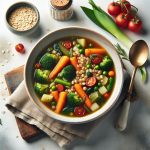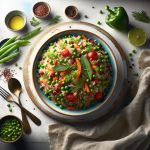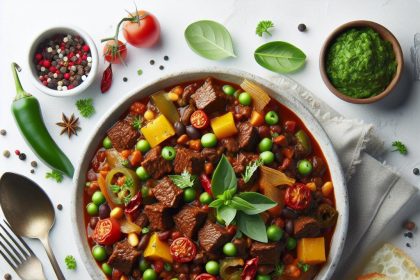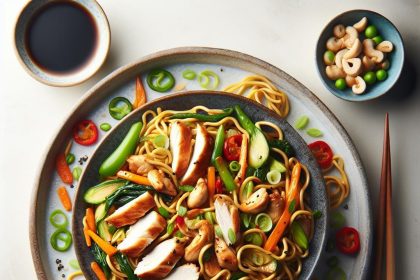

In a world bursting with vibrant hues, why should your meals be any less colorful? Colorful veggie bowls are more than just a feast for the eyes-they are a celebration of nature’s bounty, packed with nutrients that fuel your body and delight your taste buds. Easy to prepare and endlessly customizable, these bowls transform simple ingredients into a nourishing masterpiece. Whether you’re a seasoned foodie or a kitchen novice, embracing the art of the veggie bowl can turn everyday meals into a flavorful adventure that’s as wholesome as it is beautiful. Let’s dive into the world of colorful veggie bowls and discover how nutritious meals made easy can brighten your plate and boost your well-being.
Choosing Vibrant Vegetables to Maximize Health Benefits and Flavor
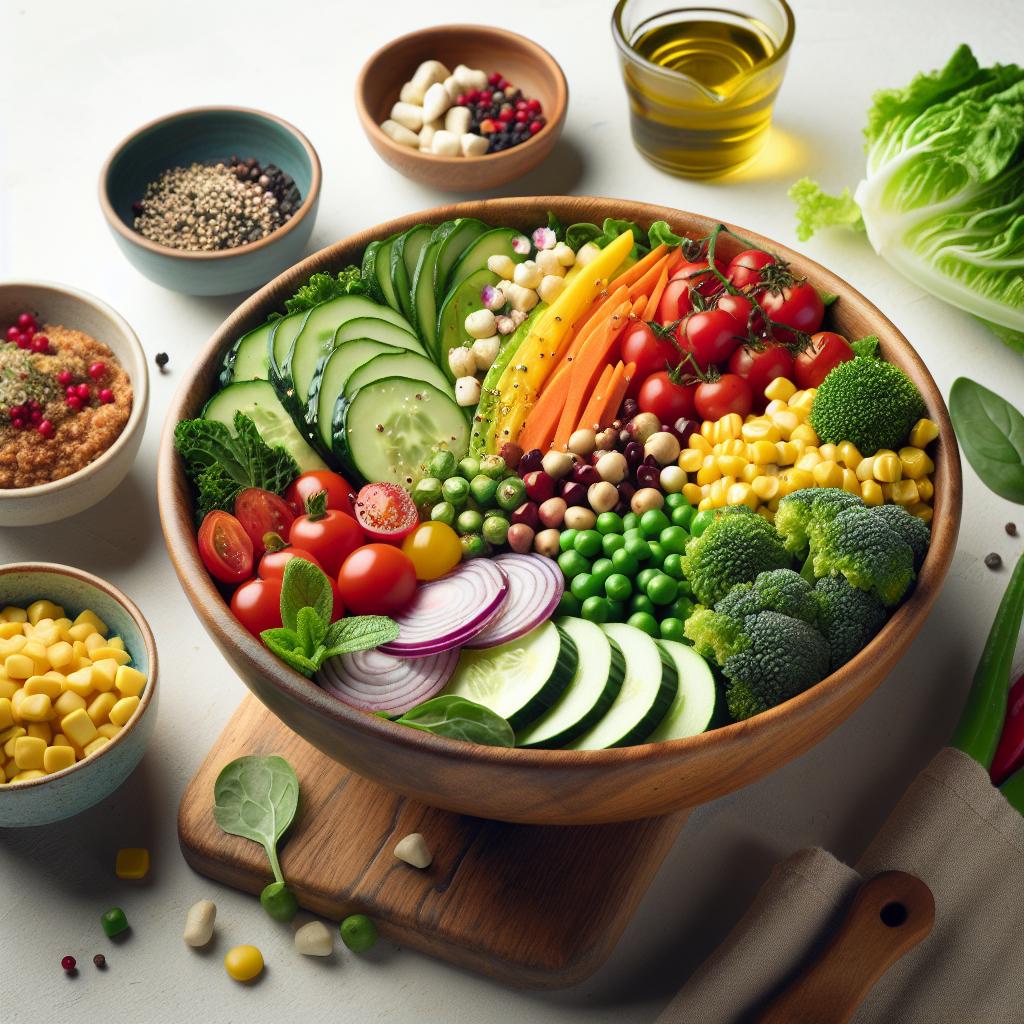
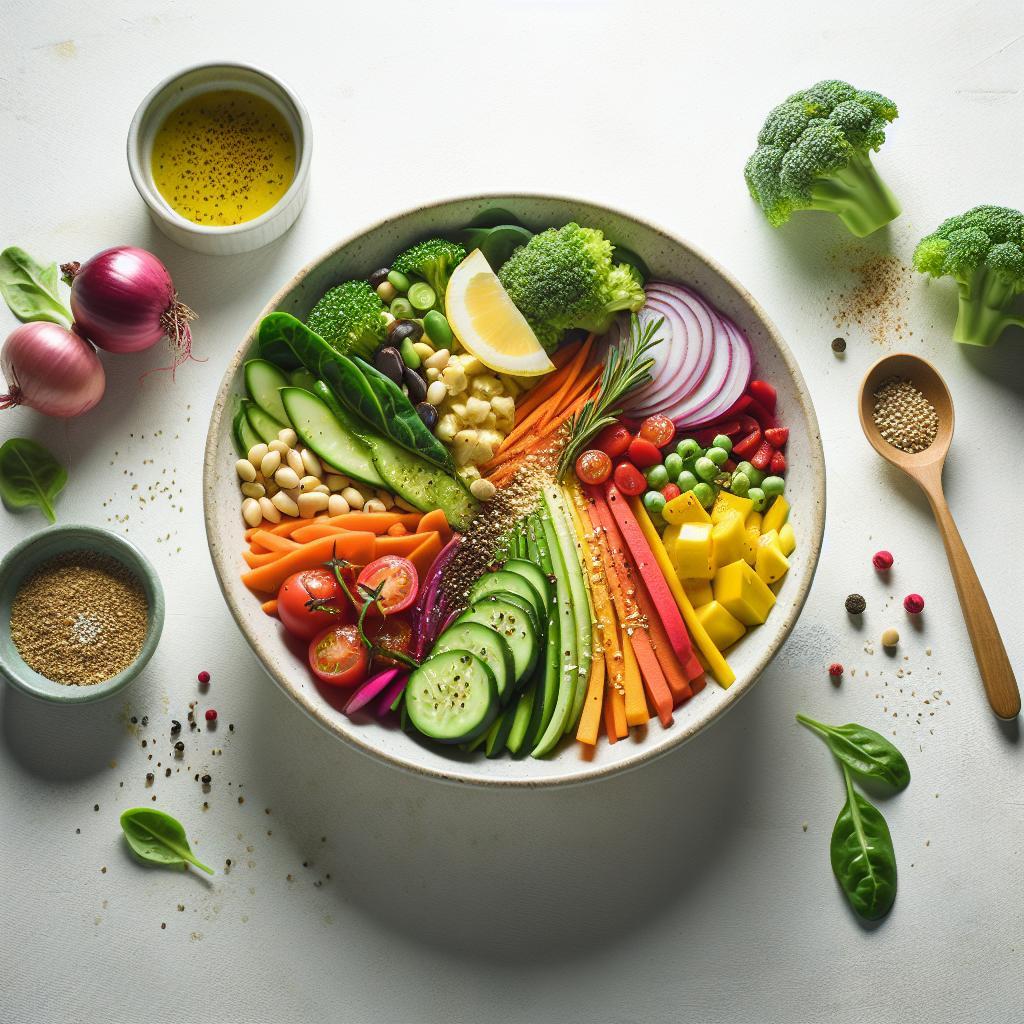
Colorful Veggie Bowls unlock a vibrant palette of nutrients and flavors, perfect for a wholesome, enticing meal. Selecting vegetables rich in diverse colors not only enhances the visual appeal but supercharges each bowl with antioxidants, vitamins, and fiber essential for optimal wellness. Think deep purple beets, sunny orange sweet potatoes, emerald green kale, and ruby red bell peppers-all meticulously chosen to create a feast both for the eyes and the body.
When building your bowl, prioritize fresh, seasonal produce to capture peak flavor and nutrition. Vegetables like crisp carrots offer beta-carotene, while bright purple cabbage delivers anthocyanins, boosting heart health and immunity. Incorporating a rainbow of veggies ensures variety in texture and taste-an irresistible invitation to savor every bite.
Layering Techniques for Balanced Texture and Eye-Catching Appeal
Masterful layering transforms a simple bowl into a dazzling masterpiece. Begin with a base of hearty greens or grains, such as fluffy quinoa or tender baby spinach, to build substance. Next, arrange your vibrant vegetables in distinct color blocks or artful spirals to catch attention instantly. Combining raw crunch like julienned radishes and sliced cucumbers with roasted softness from caramelized sweet potatoes creates a symphony of textures that elevate every forkful.
For layers, think of alternating warm with cool elements and mixing soft with crisp. This approach not only adds depth in mouthfeel but also retains a fresh vibrance upon serving. Each color and layer tells a story-one of vitality, balance, and culinary creativity.
Flavor Boosters and Dressings to Elevate Your Veggie Bowl Experience
To truly shine, Colorful Veggie Bowls thrive on thoughtful flavor enhancers. Elevate natural vegetable sweetness with a drizzle of tangy tahini lemon dressing, a sprinkle of toasted sesame seeds, or a pinch of smoky smoked paprika. Fresh herbs like cilantro, mint, or basil add aromatic layers, lifting your bowl to gourmet heights.
For dressings, balance acidity and creaminess with vibrant blends such as an avocado lime vinaigrette or a honey mustard mustard dressing, crafted to complement and not overpower. A splash of extra virgin olive oil enhances absorption of fat-soluble nutrients, enriching the bowl’s nutritional value and mouthfeel.
Prep and Cook Time
- Preparation: 15 minutes
- Cook time: 20 minutes
- Total time: 35 minutes
Yield
Serves 2 generous portions
Difficulty Level
Easy – perfect for weekday lunches or vibrant dinners
Ingredients
- 1 cup cooked quinoa (cooled)
- 1 small sweet potato, diced and roasted
- 1/2 cup shredded purple cabbage
- 1/2 cup julienned carrots
- 1/2 cup sliced cucumber
- 1/4 cup cherry tomatoes, halved
- 1/4 cup cooked chickpeas
- 1 cup baby spinach
- 2 tbsp toasted pumpkin seeds
- Fresh cilantro or parsley for garnish
Tahini Lemon Dressing
- 3 tbsp tahini
- 2 tbsp fresh lemon juice
- 1 tbsp extra virgin olive oil
- 1 tsp maple syrup
- Pinch sea salt and black pepper
- Water, to thin
Instructions
- Roast the sweet potatoes: Preheat oven to 425°F (220°C). Toss diced sweet potatoes with a drizzle of olive oil, salt, and pepper. Spread evenly on a baking sheet and roast for 20 minutes or until tender and caramelized-flip halfway through for even cooking.
- Prepare quinoa: If not using pre-cooked, rinse 1/2 cup dry quinoa well and cook according to package instructions. Set aside to cool.
- Make the dressing: Whisk tahini, lemon juice, olive oil, maple syrup, salt, and pepper in a small bowl. Gradually add water in teaspoons until the dressing reaches a smooth, pourable consistency.
- Slice and prep veggies: Julienne carrots and cucumber, halve cherry tomatoes, shred cabbage, and rinse baby spinach and herbs.
- Assemble the bowl: Start with a base of baby spinach and quinoa, then artfully arrange roasted sweet potatoes, shredded cabbage, carrots, cucumber, cherry tomatoes, and chickpeas in separate, colorful sections.
- Drizzle dressing: Generously spoon tahini lemon dressing over the bowl, allowing it to pool slightly on the quinoa and veggies for flavor harmony.
- Finish with toppings: Sprinkle toasted pumpkin seeds and fresh herbs to add crunch, aroma, and a burst of freshness.
Tips for Success
- Substitution ideas: Swap quinoa with brown rice or farro for a hearty grain variation.
- Make-ahead tips: Roast sweet potatoes and cook grains a day in advance to streamline assembly.
- Keeping fresh: Store components separately and combine just before serving to maintain crispness.
- Crunch factor: Add nuts like slivered almonds or walnuts in place of pumpkin seeds for a different texture.
- Spice it up: For extra zing, sprinkle crushed red pepper flakes or a dash of smoked paprika over the bowl.
Serving Suggestions
Present your veggie bowl in a wide, shallow dish to showcase its vivid colors and textures strikingly. Pair with a wedge of lemon on the side for fresh bursts of acidity and a rustic slice of crusty whole-grain bread to soak up the luscious dressing. Garnish each bowl with an herb sprig and a sprinkle of edible flowers to create an artful, Instagram-worthy creation that’s as joyful to behold as it is to eat.

| Nutrient | Amount per Serving |
|---|---|
| Calories | 380 kcal |
| Protein | 12 g |
| Carbohydrates | 58 g |
| Fat | 10 g |
| Fiber | 10 g |
For more creative ways to enjoy wholesome plant-based meals, explore our Wholesome Veggie Recipes collection.
Q&A
Q&A: Colorful Veggie Bowls: Nutritious Meals Made Easy
Q1: What makes a veggie bowl truly “colorful” and why does color matter?
A1: A veggie bowl is colorful when it includes a rainbow of vegetables-think deep greens like kale, vibrant oranges like roasted sweet potatoes, bright reds like bell peppers, and purples like shredded beets. The colors aren’t just eye-catching; they signal the presence of a variety of vitamins, antioxidants, and phytonutrients. Eating a spectrum of colors means you’re nourishing your body with a broad range of health-promoting compounds.
Q2: How can veggie bowls be both nutritious and easy to prepare?
A2: The simplicity of veggie bowls lies in their flexibility. You can start with a base such as quinoa, brown rice, or leafy greens, then layer in your favorite veggies-raw, roasted, or sautéed. Add proteins like beans, tofu, or grilled chicken, and finish with a flavorful dressing or a sprinkle of seeds. The key is prepping ingredients in advance and mixing and matching according to what’s fresh and available, making healthy meals ready in minutes.
Q3: What are some essential components to include in a balanced veggie bowl?
A3: For optimal nutrition and satisfaction, a balanced bowl includes four main components:
- Base: Whole grains or leafy greens for fiber and energy.
- Veggies: A variety of colorful vegetables for vitamins and minerals.
- Protein: Plant-based options like chickpeas or lentils, or animal proteins like grilled chicken or eggs.
- Healthy fats: Avocado, nuts, seeds, or drizzles of olive oil for sustained energy and nutrient absorption.
Q4: Can veggie bowls accommodate special dietary needs?
A4: Absolutely! Veggie bowls are incredibly adaptable. For gluten-free diets, choose grain bases like quinoa or millet. For vegan or vegetarian diners, focus on beans, lentils, tofu, tempeh, and nuts. For low-carb preferences, make greens the base and limit starchy vegetables. You can customize seasonings and dressings to suit allergies and flavor preferences, making veggie bowls perfect for everyone.
Q5: How do dressings enhance the flavor and nutrition of veggie bowls?
A5: Dressings are the finishing touch that can transform a simple bowl into a flavor-packed meal. Using heart-healthy oils like extra virgin olive oil combined with zingy lemon juice, tangy vinegar, or creamy nut butters not only boosts taste but adds valuable nutrients. Herbs, spices, and a touch of sweetness from maple syrup or honey can deepen flavor complexity and keep your taste buds excited.
Q6: What’s a quick tip for keeping veggie bowls fresh and vibrant throughout the week?
A6: Meal prepping! Roast or steam a batch of veggies, cook your grains, and portion out proteins at the start of the week. Store components separately and assemble bowls as needed. This approach keeps colors bright, textures crisp, and flavors fresh-plus, it saves time and stress on busy days.
Q7: Why are veggie bowls a great option for mindful eating?
A7: Veggie bowls encourage a slow, intentional dining experience. Their vibrant presentation invites you to savor the textures, colors, and flavors. Because bowls are highly customizable, they promote awareness of what your body needs, helping you make nourishing choices without monotony or boredom. They turn each meal into a joyful celebration of wholesome ingredients.
Insights and Conclusions
As you embark on your journey to vibrant, wholesome eating, colorful veggie bowls offer a simple yet inspiring way to nourish your body and delight your senses. With every bite bursting with nature’s palette, these meals transform nutrition into an art form-effortlessly blending health, flavor, and creativity. So go ahead, mix and match your favorite veggies, grains, and proteins, and watch how these bowls bring both balance and brightness to your daily routine. Eating well has never looked-or tasted-so good.