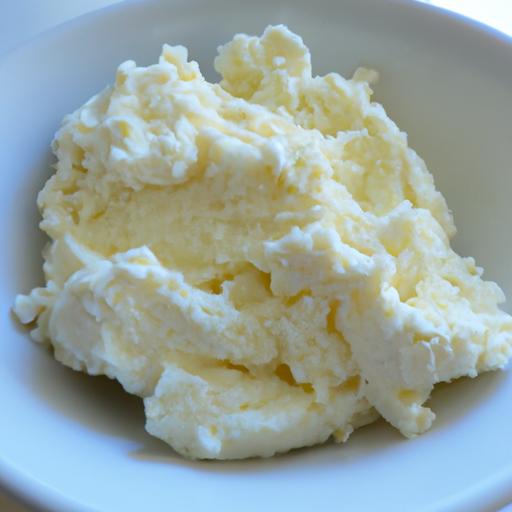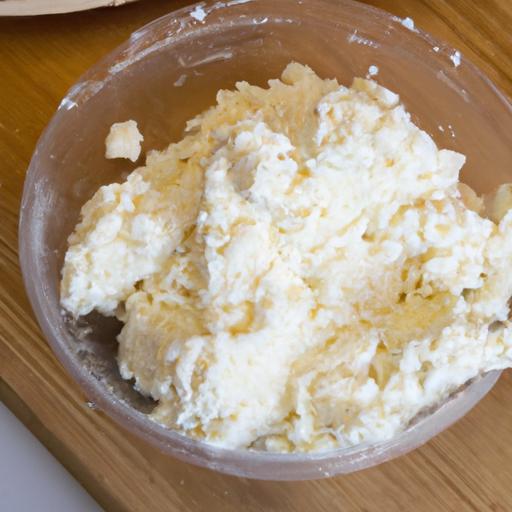

There’s something truly magical about transforming simple ingredients into a fresh, wholesome delight right in your own kitchen. Cottage cheese-a creamy, tangy staple beloved by food lovers around the world-has a rich history rooted in tradition and craftsmanship. In this guide, we’ll embark on a culinary journey to uncover the secrets of crafting authentic homemade cottage cheese, blending age-old techniques with modern know-how. Whether you’re a seasoned cook or a curious beginner, prepare to discover the joys of creating this versatile, protein-packed treasure from scratch, bringing freshness and flavor straight to your table.
Crafting Cottage Cheese starts with selecting the perfect milk to ensure that creamy, delicate texture you crave. Freshness and quality reign supreme here-opt for whole milk or 2% milk to strike a beautiful balance between richness and lightness. The fat content influences the curd’s silkiness, so avoid ultra-pasteurized varieties which can hinder proper coagulation and flavor development. Locally sourced, raw, or minimally processed milk elevates your homemade batch by preserving natural enzymes and subtle sweetness that mass-produced products lack.
Prep and Cook Time
- Preparation: 15 minutes
- Cooking and Culturing: 1 hour 30 minutes
- Draining and Pressing: 1 hour
- Total Time: Approximately 3 hours
Yield
Approximately 4 cups (about 2 servings)
Difficulty Level
Medium – Requires attention to detail and timing but rewarding with practice
Ingredients
- 1 gallon whole milk (preferably raw or non-ultra-pasteurized)
- ¼ tsp mesophilic starter culture or 2 tbsp buttermilk
- 1/8 tsp liquid calcium chloride (optional, for pasteurized milk)
- 2 tbsp white vinegar or fresh lemon juice
- 1 tsp kosher salt (or to taste)
- Optional flavor enhancers: fresh herbs (chives, dill), cracked black pepper, or a touch of cream
Instructions
- Heat the milk gently in a large stainless steel pot over medium heat to 86°F (30°C), stirring occasionally to prevent a skin from forming.
- Add calcium chloride if using pasteurized milk; stir it in evenly to help restore milk’s firmness and improve curd formation.
- Stir in the mesophilic starter culture or buttermilk. Cover and keep the milk at 70-72°F (21-22°C) for 12 to 16 hours to allow proper culturing. This slow fermentation builds the characteristic tang and texture of the cheese.
- Once the milk is cultured and slightly thickened, gently reheat it to 95°F (35°C). Slowly add the vinegar or lemon juice while stirring gently. The milk will begin to coagulate as curds separate from the whey-look for clean breaks (curds separating like jelly).
- Let the curds rest for 20 minutes. Using a slotted spoon, carefully transfer curds into a cheesecloth-lined colander set over a large bowl.
- Drain the whey at room temperature for 30 minutes to 1 hour, depending on how dry you want your cottage cheese.
- Gather the cheesecloth edges and press gently with your hands or a light weight to squeeze out excess whey. Avoid over-pressing to maintain that signature creamy texture.
- Transfer the curds to a bowl and stir in the salt. Add cream or herbs here if desired for a customized flavor boost.
- Refrigerate for at least 2 hours before serving to allow flavors to meld and texture to firm up slightly.
Tips for Success
- Temperature control is crucial: Use a reliable digital thermometer for precise heating and culturing phases.
- Pick your culture wisely: Mesophilic starters create that classic tang, but experiment with various strains for unique flavors.
- Do not rush the draining: Patience pays off with creamier curds and fewer dry patches.
- For a richer creaminess, fold in 1-2 tbsp heavy cream or whole milk after draining.
- Experiment with add-ins: Fresh herbs, cracked pepper, or even softened fruit can make this cheese your own.
- Store in an airtight container in the fridge: Use within 5 days for best freshness and texture.
Serving Suggestions
Enjoy your homemade cottage cheese paired with a drizzle of honey and toasted almonds for breakfast or dolloped on fresh tomatoes and basil for lunch. It also shines in savory dishes like stuffed peppers or ladled atop baked potatoes. A sprinkle of fresh chives, cracked black pepper, or a swirl of smoky paprika transforms it into a gourmet delight.
| Nutrient | Per ½ cup (113g) |
|---|---|
| Calories | 110 |
| Protein | 12g |
| Carbohydrates | 3g |
| Fat | 5g |

Begin your dairy journey by understanding the magic behind milk selection, culture mastery, and patient crafting. For further exploration of artisanal cheese-making, visit CheeseMaking.com. Discover culinary inspiration and embrace the art of dairy alchemy with confidence and creativity!
For more homemade cheese recipes and tips, check out our comprehensive homemade cheese guide.
Q&A
Q&A: Crafting Cottage Cheese – Your Authentic Homemade Guide
Q1: What makes homemade cottage cheese different from store-bought versions?
A1: Homemade cottage cheese bursts with freshness and a rich, creamy texture that mass-produced varieties often lack. When you craft it yourself, you control every ingredient-no preservatives, no hidden additives, just pure wholesome goodness. It’s like inviting a little culinary magic into your kitchen!
Q2: What basic ingredients do I need to make cottage cheese at home?
A2: The heart of cottage cheese is simple: fresh milk (preferably whole), a starter culture or lemon juice/vinegar to curdle the milk, and salt for flavor. Some recipes call for cream to give it that luscious, creamy finish – easy pantry staples that transform into a delightful dairy treat.
Q3: How does the curdling process work in homemade cottage cheese?
A3: Curds form when the milk’s proteins coagulate, separating from the whey. Adding an acid like lemon juice or a bacterial culture gently persuades the milk to clump together, creating soft, tender curds. Think of it as a delicate dance between science and art that yields those signature fluffy curds.
Q4: How long does it take to make cottage cheese from scratch?
A4: Patience pays off! The process usually takes about 2 to 4 hours depending on your method. After warming the milk, curdling, cutting the curds, and gently cooking them, you’ll drain the whey and season the curds to your liking. From start to fridge, it’s a delightful afternoon project with delicious rewards.
Q5: Can I customize the flavor or texture of my homemade cottage cheese?
A5: Absolutely! Adjust the creaminess by stirring in cream or milk after draining. For flavor, add herbs, cracked pepper, or even a pinch of garlic powder. Experiment with softer or firmer textures by altering how much whey you drain. Your cottage cheese, your rules – a blank canvas for culinary creativity.
Q6: What are some common mistakes to avoid when making cottage cheese at home?
A6: Avoid overheating the milk-it should be warm, not scalding. Be gentle when cutting and stirring curds to keep them intact. Don’t rinse curds in cold water if you want creamier cheese, as it washes away flavor and richness. Lastly, trust your taste buds when salting; it’s better to start small and add more.
Q7: How should I store homemade cottage cheese and how long does it last?
A7: Store your cottage cheese in an airtight container in the refrigerator. It’s best enjoyed within 5 to 7 days to savor peak freshness and flavor. Homemade doesn’t mean it lasts forever-so prepare to enjoy or share your cheesy creation while it’s at its homemade best!
Q8: Is homemade cottage cheese healthy?
A8: You bet! Cottage cheese is a protein-packed, calcium-rich dairy delight. Making it at home means you can skip unnecessary additives and tailor it to dietary preferences, whether low-fat or enriched with fresh herbs. It’s a nourishing snack that’s as authentic as it is wholesome.
Dive into the craft of homemade cottage cheese-where tradition meets your kitchen creativity-and discover a fresh, flavorful world beyond the store shelves!
Insights and Conclusions
As you embark on your journey to craft cottage cheese from the comfort of your own kitchen, remember that each batch is a little masterpiece-an ode to simplicity and tradition. With just a handful of ingredients and a pinch of patience, you unlock a world of creamy, tangy goodness that store shelves can only dream of. Whether dolloped on a fresh salad or enjoyed straight from the bowl, your homemade cottage cheese carries the authentic taste of care and craftsmanship. So go ahead, embrace the art of cheesemaking, and let your kitchen be the birthplace of wholesome, delightful flavors that nourish both body and soul.