In a world where culinary borders are increasingly fluid, the art of flavor becomes a vibrant tapestry woven from diverse traditions. Cross-culture cooking isn’t just about blending ingredients; it’s about mastering the subtle dance of spices, herbs, and techniques that infuse dishes with stories from distant lands. This journey transforms the kitchen into a global stage, where chefs and home cooks alike explore the secrets of flavor infusion-unlocking new dimensions of taste that celebrate both heritage and innovation. Join us as we delve into the fascinating techniques that turn ordinary meals into extraordinary experiences, bridging cultures one exquisite bite at a time.
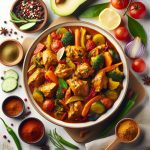
Cross-Culture Cooking: Mastering Flavor Infusion Techniques unlocks the secret to harmonious blends of herbs, spices, and aromatics gathered from global kitchens. By understanding how foundational flavors interplay-whether it’s the bold pungency of garlic paired with the sweetness of roasted paprika or the gentle warmth of star anise balanced by citrus zest-you can create dishes that resonate with authenticity yet surprise the palate. This recipe showcases a thoughtfully infused chicken stew, marrying vibrant North African ras el hanout with subtle Southeast Asian lemongrass, a celebration of flavor and texture that invites culinary exploration.
Prep and Cook Time
- Prep Time: 20 minutes
- Cook Time: 1 hour 10 minutes
Yield
- Serves 4 hearty portions
Difficulty Level
- Medium – ideal for cooks ready to experiment confidently with cross-cultural ingredients
Ingredients
- 1.5 lbs boneless, skinless chicken thighs, cut into bite-sized pieces
- 2 tbsp olive oil
- 1 large onion, finely chopped
- 3 garlic cloves, minced
- 1 tbsp fresh ginger, grated
- 1 stalk lemongrass, bruised and chopped
- 2 tsp ras el hanout spice blend (North African spice mixture)
- 1 tsp turmeric powder
- 1 large carrot, sliced diagonally
- 1 red bell pepper, diced
- 1 cup canned diced tomatoes, with juices
- 2 cups low-sodium chicken broth
- 1 tbsp honey
- Juice of 1 lime
- Fresh cilantro, chopped, for garnish
- Salt and freshly ground black pepper, to taste
Instructions
- Heat olive oil in a deep, heavy-bottomed skillet over medium heat. Add the chopped onion and sauté until translucent and slightly golden, about 6 minutes, stirring occasionally.
- Introduce the garlic, grated ginger, and bruised lemongrass. Stir frequently, letting the aromatics infuse the oil for 2-3 minutes, taking care not to burn the garlic.
- Add the chicken pieces and sprinkle over the ras el hanout and turmeric. Cook, stirring gently, until the chicken is evenly coated and begins to brown, about 8 minutes.
- Incorporate the sliced carrot and red bell pepper, stirring to combine. Cook for 5 minutes to slightly soften the vegetables but retain their color and crunch.
- Pour in the diced tomatoes with their juices and the chicken broth. Add honey and season with salt and black pepper to your taste. Stir well to combine all ingredients evenly.
- Bring the mixture to a gentle simmer, cover partially, and cook for 40 minutes. This slow simmer allows the flavors to meld, and the chicken to become tender.
- Remove the lemongrass stalk, then adjust seasoning if needed. Finish with a generous squeeze of fresh lime juice to brighten the dish.
- Serve hot, garnished with freshly chopped cilantro for a burst of herbal freshness and visual contrast.
Tips for Success
- Layer flavors carefully: Toast whole spices separately before grinding and use fresh aromatics to intensify your dish’s depth.
- Substitute ras el hanout with a balanced Moroccan spice blend or curry powder for a different regional twist.
- For a richer taste, swap chicken broth for coconut milk to emphasize the Southeast Asian notes.
- Prepare in advance: The stew tastes even better the next day as the flavors mature-perfect for make-ahead meals.
- Vegetarian option: Replace chicken with firm tofu or hearty root vegetables to keep the same flavor profile.
Serving Suggestions
Present this vibrant cross-cultural stew over a bed of fluffy couscous, jasmine rice, or warm naan bread. Garnish with toasted almonds or pistachios for added crunch and sprinkle extra lime zest for a citrusy aroma. Pair with a crisp side salad featuring arugula and pomegranate seeds to balance the warm spices with refreshing bites. This dish also pairs beautifully with a light-bodied white wine such as a Grenache Blanc or a bright, aromatic Riesling.

| Nutrient | Per Serving |
|---|---|
| Calories | 360 kcal |
| Protein | 34 g |
| Carbohydrates | 18 g |
| Fat | 14 g |
Discover more vibrant recipes and culinary techniques in our Global Spice Blends Guide. To deepen your spice knowledge and source authentic blends, visit Specialty Food Association.
Q&A
Q&A: Cross-Culture Cooking – Mastering Flavor Infusion Techniques
Q1: What exactly is flavor infusion in the context of cross-culture cooking?
A1: Flavor infusion is the art of blending or embedding distinctive tastes and aromas from one culinary tradition into the ingredients or dishes of another. Think of it as a flavorful dialogue where spices, herbs, and techniques travel across borders to create harmonious and unexpected taste experiences.
Q2: Why is flavor infusion important in cross-cultural cooking?
A2: Flavor infusion breaks down culinary boundaries and fosters innovation by combining the best of multiple food worlds. It allows cooks to craft dishes that tell a story-one that celebrates cultural diversity and elevates everyday meals into memorable gastronomic adventures.
Q3: What are some common techniques used to infuse flavors across cultures?
A3: Techniques vary widely but often include marinating, pickling, smoking, fermenting, and layering spices. For example, using a Japanese miso marinade on a traditionally Italian roasted chicken, or infusing Indian garam masala into a French béchamel sauce. Each method extracts and transforms the essence of ingredients in unique ways.
Q4: How can home cooks begin experimenting with cross-culture flavor infusions?
A4: Start small-choose a familiar recipe and add a touch of an ingredient or technique from another cuisine. Swap out your usual herb for something exotic, like Thai basil or za’atar, or try infusing oils with spices such as cardamom or smoked paprika. The key is curiosity and balance-let flavors complement, not overpower.
Q5: Are there any pitfalls to avoid when mastering cross-cultural flavor infusions?
A5: Absolutely. One common mistake is treating cultural flavors as mere exotic add-ons rather than understanding their historical and sensory context. This can lead to confusing or clashing flavors. Respecting the origins of ingredients and balancing intensity ensures that fusion is thoughtful and delicious, not chaotic.
Q6: Can mastering flavor infusion techniques influence broader culinary creativity?
A6: Definitely. Once you grasp how flavors interact and transform, it opens up endless creative avenues-not just in cooking but in pairing food with drinks, designing menus, and even storytelling through food. Mastering these techniques makes you a global culinary artist, blending heritage and innovation with every bite.
Q7: What’s a simple cross-cultural flavor infusion to try at home for beginners?
A7: Try making a lemon-ginger vinaigrette inspired by Mediterranean olive oil dressings and Asian citrus notes. Mix olive oil, fresh lemon juice, grated ginger, a splash of soy sauce, and a pinch of chili flakes. Toss it with roasted vegetables or grilled tofu for an easy yet vibrant flavor infusion.
Embrace the palate’s wanderlust and start infusing your cooking with the rich tapestries of global flavors. Cross-culture cooking is more than a trend-it’s a delicious journey of mastery and discovery.
Future Outlook
As the kitchen’s aromas blend and mingle, so too do the stories and traditions of countless cultures. Mastering the art of flavor infusion isn’t just about combining ingredients-it’s about embracing a journey of curiosity, respect, and creativity. Whether you’re stirring in a pinch of exotic spice or marinating with a time-honored technique, each infusion carries a tale waiting to be told on your palate. So go forth, experiment boldly, and let your cross-culture cooking adventures transform your meals into vibrant celebrations of global flavor harmony. After all, in the world of taste, boundaries dissolve and every dish becomes a delicious bridge between cultures.