
In the intricate tapestry of classic cuisine, few elements hold as much mystique and mastery as demi-glace. This rich, amber elixir, often whispered about in the kitchens of culinary legends, is much more than just a sauce-it is a cornerstone of flavor, a symbol of technique, and the secret ingredient that transforms simple dishes into timeless masterpieces. Join us as we delve into the world of demi-glace, decoding its origins, unraveling its complex process, and uncovering why this “secret sauce” continues to captivate chefs and food lovers alike. Whether you’re a seasoned cook or an adventurous foodie, prepare to unlock the essence of classic gastronomy through the lens of demi-glace.
Unlocking Flavor Layers Through Traditional Reduction Techniques
Demi-glace is the quintessence of classical French cuisine, a sauce that embodies depth, richness, and the artistry of slow, patient cooking. Demi-glace decoded reveals the craftsmanship behind reducing hearty brown stock and concentrated brown sauce into a velvety, intensely flavored elixir that elevates dishes from ordinary to extraordinary. The magic lies in harnessing the science of reduction-carefully simmering away excess liquid to amplify and concentrate each savory nuance.
To begin, start with a robust brown veal or beef stock, simmered for hours until deeply infused with marrow and roasted bones. Then, combine this with a rich Spanish brown sauce (Espagnole) that’s thickened and browned, providing a luscious base full of caramelized undertones and aromatic vegetables like celery, carrots, and onions. The reduction process carefully evaporates water and refines flavor, rendering a sauce thick enough to cling tenderly to your proteins. Patience and vigilance are key – gently stir and skim impurities to ensure clarity and an unblemished satin finish.
Prep and Cook Time
- Prep time: 20 minutes
- Cook time: 4 to 6 hours (including stock preparation and reduction)
Yield
- Approximately 2 cups (480 ml) of demi-glace
Difficulty Level
- Advanced – requires attention to detail and time commitment, but results are unparalleled
Ingredients
- 5 lbs beef or veal bones, roasted
- 2 carrots, chopped
- 2 celery stalks, chopped
- 1 large onion, quartered
- 3 garlic cloves, smashed
- 4 sprigs fresh thyme
- 2 bay leaves
- 10 black peppercorns
- 8 cups cold water
- 1 cup tomato purée
- 3 tablespoons unsalted butter
- 3 tablespoons all-purpose flour
- Salt, to taste
Instructions
- Roast the bones and vegetables: Place beef or veal bones on a roasting pan and roast at 450°F (230°C) for 45 minutes until deeply browned. Add carrots, celery, onion, and garlic during the last 15 minutes to caramelize.
- Prepare the brown stock: Transfer roasted bones and vegetables into a large stockpot. Add cold water, thyme, bay leaves, and peppercorns. Simmer gently for 4 hours, skimming foam and fat regularly for clarity.
- Strain the stock: Pour the stock through a fine mesh strainer or cheesecloth into a clean pot to remove solids, pressing lightly to extract liquid but avoiding cloudiness.
- Make the Espagnole sauce base: Melt butter in a saucepan over medium heat. Whisk in the flour to create a dark roux-cook, stirring continuously, until it turns chocolate brown but not burnt (about 5 minutes).
- Add tomato purée and vegetables: Stir in tomato purée, and a handful of diced onion, carrot, and celery. Cook for 2 minutes until fragrant.
- Combine and simmer: Gradually whisk in strained stock, ensuring a smooth mixture. Simmer gently over low heat, uncovered, for 1 to 2 hours, stirring occasionally until sauce reduces by half and thickens to a glossy consistency.
- Finish the demi-glace: Strain the Espagnole through a fine sieve, pressing gently to extract all flavor. Return to heat and continue to reduce until sauce coats the back of a spoon richly (approximately 1 cup demi-glace).
- Season and store: Adjust salt to taste. Cool quickly in a shallow pan. Store in airtight containers in the refrigerator for up to 5 days or freeze for up to 3 months.
Tips for Success
- Use cold water when starting the stock to extract maximum collagen and flavor from the bones.
- Constantly skim impurities during simmering to prevent bitterness and achieve a clear sauce.
- The slow cooking process is non-negotiable-rushing leads to a less concentrated and cloudy demi-glace.
- Freeze demi-glace in ice cube trays to easily portion and thaw for small servings or last-minute sauce enhancements.
- For a vegetarian twist, substitute meat bones with deeply roasted mushrooms and browned mirepoix, but expect a lighter flavor profile.
Serving Suggestions
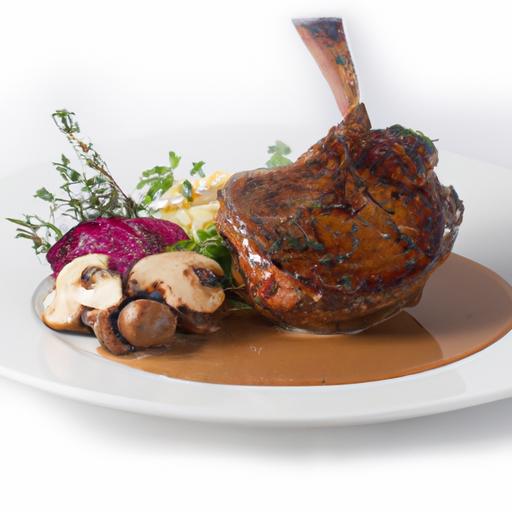
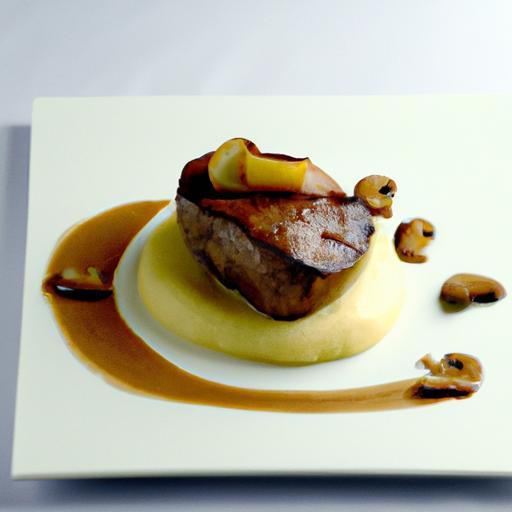
Demi-glace is a transformative finishing touch that pairs beautifully with beef, lamb, pork, and game dishes. Spoon it generously over perfectly seared steaks, roast chicken, or tender braises for a sophisticated glaze. Garnish with fresh thyme sprigs, finely chopped chives, or a delicate drizzle of truffle oil for an elevated presentation. It also serves as an impeccable base for pan sauces-deglaze your sauté pan with red wine or Madeira, then swirl in demi-glace for an irresistibly silky and umami-rich sauce.
| Nutrient | Amount per 2 tbsp (30ml) |
|---|---|
| Calories | 40 |
| Protein | 3g |
| Carbohydrates | 2g |
| Fat | 2g |

For techniques on complimentary sauces and classical plating, see our Guide to Classic French Sauces and reference detailed reduction science at Serious Eats – Ultimate Guide to Sauces.
Q&A
Q&A: Demi-Glace Decoded – The Secret Sauce of Classic Cuisine
Q1: What exactly is demi-glace?
A1: Demi-glace is the quintessential French sauce, often regarded as the “heart and soul” of classic cuisine. It’s a rich, deeply flavored brown sauce made by reducing a mixture of brown stock (usually veal or beef) and espagnole sauce until it reaches a luscious, velvety consistency. Think of it as the smoky, savory elixir that elevates dishes from ordinary to extraordinary.
Q2: Why is demi-glace considered a “secret sauce”?
A2: Demi-glace earned its “secret sauce” status because of its complexity, time-consuming preparation, and transformative power. It’s a labor of love-hours of simmering, skimming, and reducing-which concentrates flavors into a silky nectar that can enrich everything from roasts and stews to pan sauces and even gourmet burgers. Chefs often guard their demi-glace recipes closely, making it a treasured kitchen jewel.
Q3: How is demi-glace traditionally made?
A3: Traditionally, demi-glace involves two key steps: first, making a rich brown stock by roasting beef or veal bones with vegetables, then gently simmering them for hours. Next, this stock is blended with espagnole sauce (a brown roux-based sauce with tomato purée and mirepoix) and reduced by half or more, until it achieves a concentrated, glossy finish. The process demands patience and precision, but the results are transcendental.
Q4: Can demi-glace be made at home, or is it only for professional kitchens?
A4: While demi-glace is famously challenging and time-intensive, ambitious home cooks can absolutely embark on the journey. By preparing stock from scratch and carefully following the reduction process, it’s possible to craft your own demi-glace at home. For convenience, some opt for store-bought demi-glace concentrates or canned versions, which can be adapted and enhanced with fresh herbs to achieve a similar richness.
Q5: How does demi-glace enhance dishes?
A5: Demi-glace is a master flavor enhancer. Its deep umami notes and silky texture add luxurious depth to anything it touches. It binds sauces together, enriches braises, and adds complexity to pan drippings. Even a dollop can transform a simple steak or roasted vegetable into a refined culinary experience, marrying all ingredients in a symphony of savory bliss.
Q6: Are there modern twists on demi-glace?
A6: Absolutely! Contemporary chefs experiment with demi-glace by infusing it with unexpected aromatics like exotic mushrooms, smoked spices, or wine variations. Some vegan and vegetarian adaptations use mushroom or vegetable stocks combined with hearty umami components to mimic the traditional richness. The sauce continues to inspire, proving that even the most classic recipes evolve with time.
Q7: What’s the takeaway for aspiring chefs?
A7: Demi-glace is more than a sauce; it’s a rite of passage. Mastering it teaches patience, technique, and respect for foundational cooking principles. Whether you use it as a base or a final touch, understanding demi-glace unlocks a gateway into classical French cuisine and elevates your cooking to artisan status. Embrace the simmer, savor the aroma, and let demi-glace decode the artistry of flavor!
In Conclusion
As we’ve uncovered, demi-glace is much more than just a sauce-it’s the heart and soul of classic cuisine, a rich tapestry of flavors woven through time-honored techniques. Decoding this secret sauce reveals a culinary art form that elevates dishes from simple to sublime, embodying patience, precision, and passion. Whether you’re a seasoned chef or a curious home cook, embracing demi-glace invites you to taste history in every velvety drop and to carry forward a tradition that continues to inspire kitchens around the world. So next time you savor that glossy, savory finish, remember: you’re experiencing a masterpiece centuries in the making.