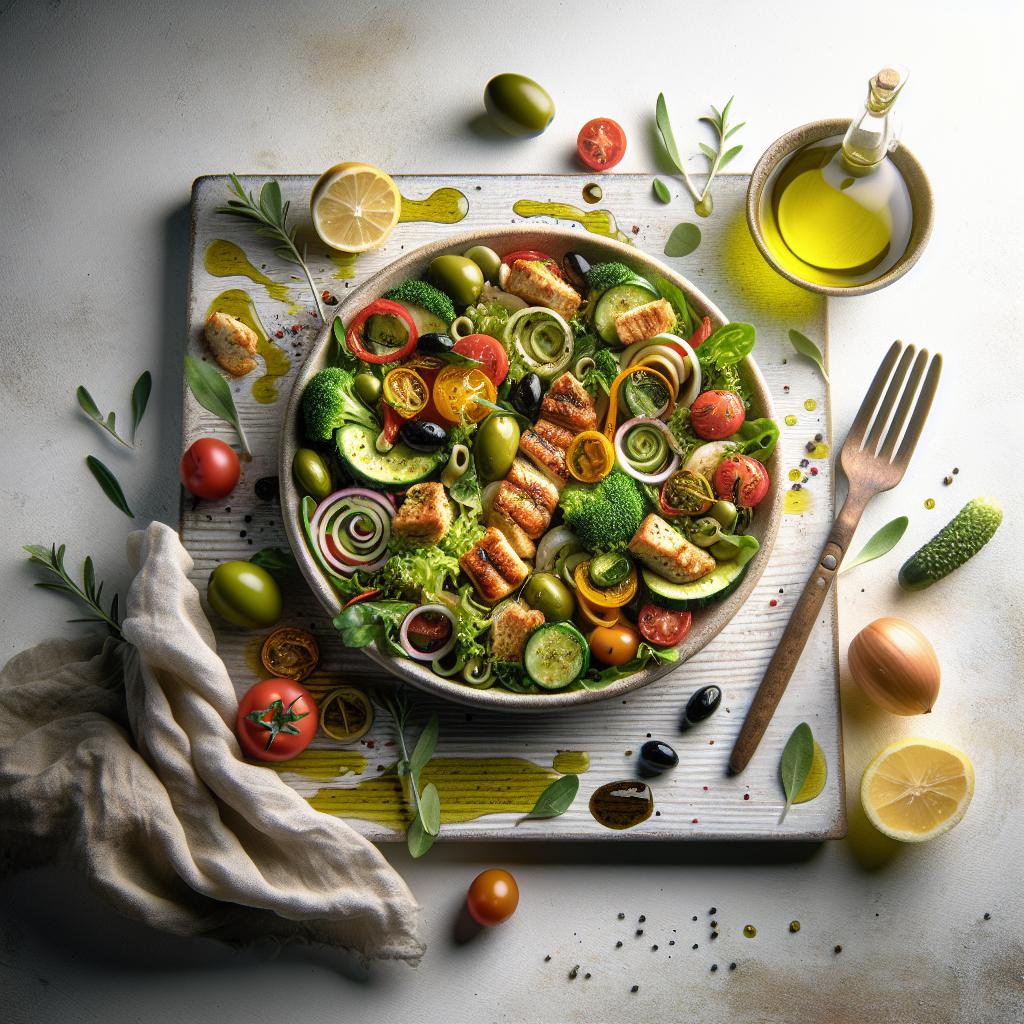

Is your olive oil doing more than just sitting prettily on the kitchen counter? From the gentle splash that crowns a fresh salad to the fiery sizzle that sears a sizzling steak, olive oil is a versatile hero in every cook’s arsenal. But with so many varieties, flavors, and smoke points, how do you know when to drizzle and when to turn up the heat? In this guide, we’ll unravel the mysteries of choosing the perfect olive oil for cooking and finishing-so every dish you create is a masterpiece, whether it’s kissed by warmth or bathed in cool, vibrant green. Let’s dive into the delicious dance of drizzle or sizzle!
Drizzle or Sizzle? Choosing Olive Oil for Cooking & Finishing begins with understanding the magic hidden in every bottle. Olive oil is not just a simple fat; it’s a dynamic ingredient whose smoke points and flavor profiles dictate how it performs under heat or as a luscious finishing touch. Whether you’re searing a steak or adding a burst of fruity brightness to a salad, recognizing the right olive oil for the job unlocks an extra dimension of taste and texture in your dishes.
Prep and Cook Time
Preparation: 5 minutes
Cooking: 15 minutes
Yield
Serves 4
Difficulty Level
Easy – Intermediate
Ingredients
- 2 tbsp high-smoke point olive oil (such as refined or light olive oil)
- 4 cups fresh seasonal vegetables (zucchini, bell peppers, mushrooms)
- 1 tbsp extra virgin olive oil (delicate and fruity)
- 2 garlic cloves, minced
- Sea salt and cracked black pepper, to taste
- Fresh herbs for finishing (basil, parsley, or thyme)
- 1 cup cooked grains (optional for serving)
Instructions
- Heat 2 tablespoons of high-smoke point olive oil in a heavy skillet over medium-high heat. This option ensures a stable temperature allowing you to sizzle vegetables without burning the oil or compromising flavor.
- Add minced garlic and sauté just until fragrant, about 30 seconds, taking care not to brown it.
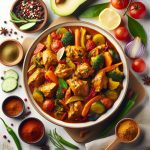
- Toss in your fresh seasonal vegetables and spread them out evenly. Sauté until edges turn golden and vegetables retain slight crunch-approximately 8 to 10 minutes. Stir occasionally but avoid over-stirring to encourage caramelization.
- Season with sea salt and cracked black pepper to balance the depth of seared flavors.
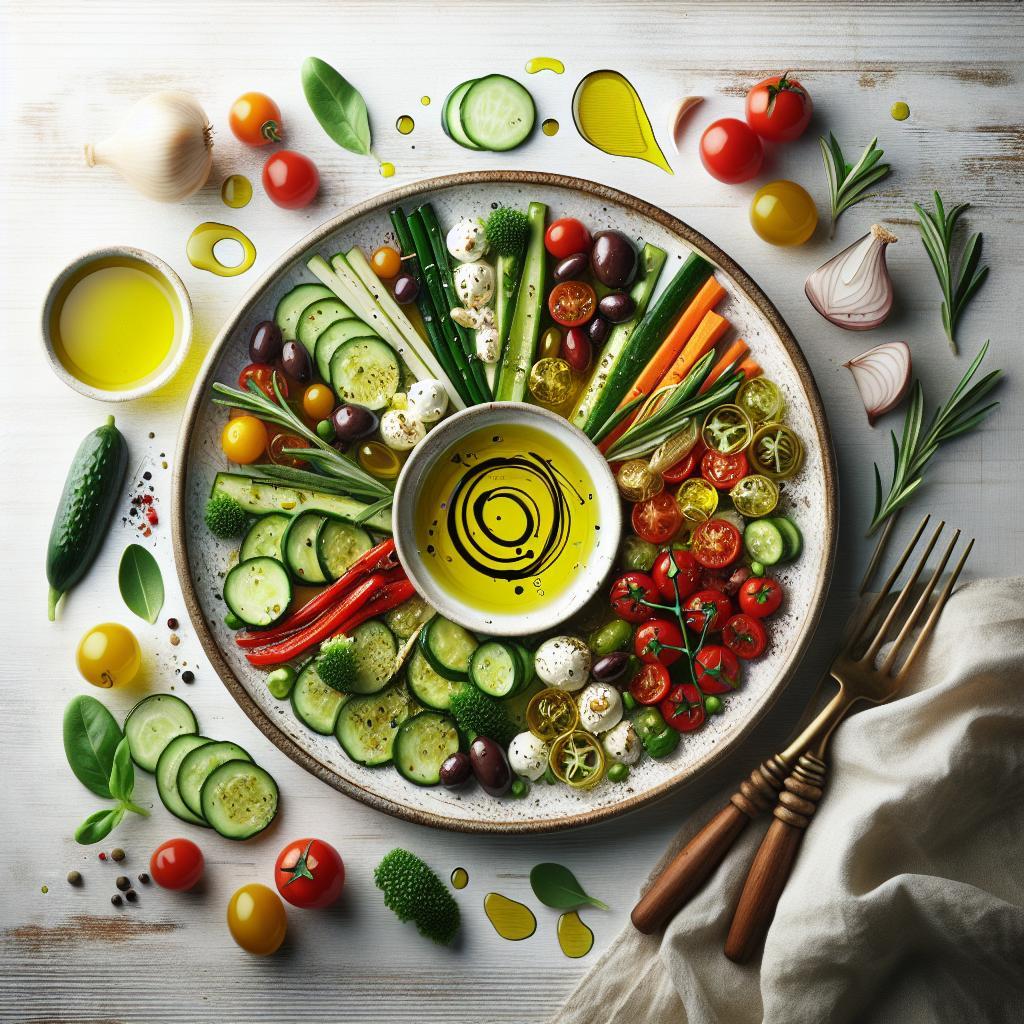
- Remove skillet from heat and drizzle 1 tablespoon of delicate, fruity extra virgin olive oil over the warm vegetables. This finishing touch lends brightness and mouthwatering aroma without diminishing the nuanced flavor of the raw oil.
- Garnish with freshly chopped herbs and serve immediately over cooked grains or as a vibrant side.
Tips for Success
- Choose oils wisely: Use light/refined olive oils for high-heat cooking. These oils have smoke points around 465°F, perfect for searing.
- Reserve extra virgin for finishing: Fragrantly fruity and peppery oils shine best raw or added after cooking to highlight their complexity.
- Don’t rush the heat: Allow the pan to preheat fully to prevent sticking and ensure an even sear.
- Store your olive oil properly: Keep bottles in a cool, dark place to maintain freshness and avoid rancidity.
- Experiment with flavor profiles: Try Tuscan or Arbequina oils for mild fruitiness, or robustly peppery Picual and Koroneiki varieties for finishing bold dishes.
Serving Suggestions
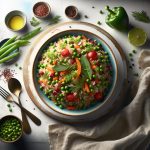
Present these vibrant sautéed vegetables as a colorful side paired with grilled proteins or toss with freshly cooked couscous or farro for a wholesome meal. For added texture and richness, sprinkle toasted pine nuts or a light shaving of Pecorino Romano. Serve alongside a freshly baked rustic bread with a small bowl of your chosen extra virgin olive oil for dipping-the perfect “drizzle or sizzle” experience at the table.
| Nutrient | Per Serving |
|---|---|
| Calories | 210 kcal |
| Protein | 3 g |
| Carbohydrates | 10 g |
| Fat | 18 g |

For more insights into olive oil varieties and how to select the best fish for your pan sear recipes, explore our comprehensive guide on olive oils. For scientific detail on smoke points, visit this ScienceDaily article on oil smoke points.
Q&A
Q&A: Drizzle or Sizzle? Choosing Olive Oil for Cooking & Finishing
Q1: What’s the big deal about choosing the right olive oil for cooking vs. finishing?
A: Olive oil is a culinary chameleon. When you cook with it-say, sautéing or frying-you need an oil that can handle heat without breaking down or smoking. For finishing, you want something that adds a burst of fresh flavor and aroma without heating it up. Choosing the right olive oil ensures your dishes not only taste great but also retain their nutritional power.
Q2: Can’t I just use the same olive oil for everything?
A: Technically, yes-but it’s like wearing hiking boots to a ballroom dance. Extra virgin olive oil (EVOO) dazzles with complex flavors and antioxidants but has a lower smoke point, making it better for drizzling on salads, breads, or grilled veggies after cooking. For high-heat cooking, a refined or light olive oil with a higher smoke point is your best friend.
Q3: How do I know when to drizzle vs. when to sizzle?
A: Think “finish” vs. “flavor foundation.” Drizzle EVOO raw over dishes right before serving to preserve its peppery, fruity notes-pizza, roasted potatoes, or fresh greens are classic candidates. Use more robust, heat-stable oils for sautéing or frying to give your food that golden crisp without burning the oil and turning bitter.
Q4: What exactly is a smoke point, and why does it matter?
A: The smoke point is the temperature at which an oil starts to smoke and break down, releasing harmful compounds and off flavors. EVOO’s smoke point is around 375°F (190°C), so it’s best for low to medium-heat cooking or finished dishes. For high-heat methods like stir-frying or deep frying, oils with higher smoke points (upwards of 410°F/210°C) keep your kitchen safe and your food tasty.
Q5: Does olive oil lose its health benefits when cooked?
A: Some antioxidants and polyphenols diminish with heat, but olive oil remains a heart-healthy fat whether you cook or drizzle it. To maximize benefits, use EVOO cold or lightly warmed, and save your high-heat cooking for oils designed for it or moderate your cooking temperature to protect EVOO’s nutrients.
Q6: Any tips on selecting quality olive oil at the store?
A: Look for “extra virgin” on the label-this means the oil is made from the first cold pressing of olives and is the least processed. Check for harvest dates to ensure freshness, opt for dark glass bottles to protect from light, and consider region and flavor notes. Taste-testing is also a great way to find your favorite drizzle companion!
Q7: Can the same olive oil “sizzle” in one dish and “drizzle” in another?
A: Absolutely! Some versatile high-quality extra virgin olive oils hold up well in gentle cooking but also shine when drizzled. It’s all about understanding your oil’s flavor intensity, smoke point, and your own palate. Experimentation can turn everyday olive oil into your kitchen’s secret weapon.
Whether you’re pondering a drizzle to brighten your salad or a sizzle to sauté your veggies, choosing the right olive oil transforms your cooking from ordinary to extraordinary. So go ahead-heat it up or pour it on, knowing your oil is up to the task!
Final Thoughts
Whether you’re drizzling olive oil over a fresh salad or sizzling it to unlock the rich, nutty depths in a hearty sauté, understanding the nuances of your olive oil transforms every dish from good to memorable. Choosing the right olive oil is more than just a culinary decision-it’s an art form that marries flavor, function, and finesse. So next time you reach for that bottle, remember: it’s not just about adding oil, it’s about enhancing your entire cooking experience. Drizzle thoughtfully, sizzle smartly, and let your kitchen sing with the vibrant essence of olive oil.