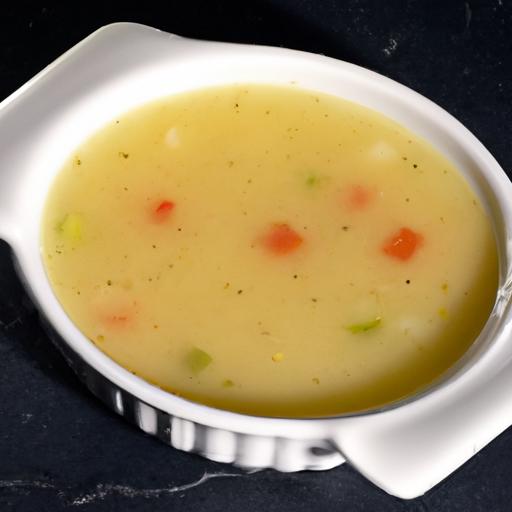

There’s nothing quite like a warm bowl of soup to comfort the soul on a chilly day-until that first spoonful hits with an overwhelming burst of saltiness, sending your taste buds into an unexpected frenzy. Oversalting can turn a cherished recipe into a culinary conundrum, but fear not! Fixing the flavor of an overly salty soup doesn’t have to mean tossing the whole pot or starting from scratch. With a bit of kitchen savvy and clever tricks up your sleeve, you can quickly tame that salty surge and restore balance to your broth. In this article, we’ll explore smart, creative methods to save your soup from salt’s overreach, transforming it back into the delicious dish you intended. Whether you’re a seasoned chef or a home cook in a hurry, these tips will ensure your soup hits just the right note every time.
Fixing the Flavor: Clever Ways to Save Salty Soup Quickly
Mastering the art of correcting a salt overload in soups is a vital skill for every home cook and culinary artist. Whether you’ve accidentally added too much table salt, soy sauce, or broth concentrate, understanding how to creatively rebalance your dish can turn potential kitchen disasters into a triumph of flavor finesse. By harnessing the principles behind salt chemistry and employing smart, accessible ingredients, you can salvage and elevate your broth into a perfectly harmonious bowl.
Prep and Cook Time
10 minutes preparation | 15 minutes correction and reheating
Yield
Serves 4-6 comfortably after adjustment
Difficulty Level
Easy to Medium – adaptation skills plus basic kitchen tools
Ingredients
- 2 cups water or low-sodium broth (to dilute)
- 1 peeled potato (medium-sized, cut into chunks)
- 1/2 cup unsweetened coconut milk or cream
- 1 tablespoon white vinegar or lemon juice
- 1/4 cup cooked rice or pasta (optional)
- 1 teaspoon sugar or honey
- 2 cloves garlic, minced (to deepen umami)
- Fresh herbs such as parsley, cilantro, or dill – for garnish
- Black pepper, freshly ground to taste
- Additional vegetables like carrots or celery (optional, to bulk out broth)
Instructions
- Start by tasting your soup carefully. Identify the level of saltiness so you know how much adjustment is needed. If it’s only slightly salty, a simple dilution may suffice. For heavily salted broths, proceed to the following steps.
- Add chunks of peeled potato to the hot soup. Potatoes absorb excess salt effectively. Let them simmer gently for 10-15 minutes; avoid overcooking so they don’t fall apart. Remove the potatoes before serving unless you want to keep them as a textural element.
- Incorporate a splash of vinegar or fresh lemon juice. Acid balances saltiness beautifully by disrupting your palate’s perception of salt. Add gradually-start with 1 teaspoon and adjust to taste. Avoid exceeding 1 tablespoon to preserve harmony.
- Introduce unsweetened coconut milk or cream to mellow salt and enrich texture. Stir it in slowly over low heat. For dairy-sensitive diets, coconut milk offers a smooth, coconutty hint; cream adds velvet richness.
- If the soup is thick, add water or unsalted low-sodium broth carefully. Go slowly to avoid over-thinning. This helps dilute intense salt concentration without losing flavor volume.
- Consider adding cooked rice or small pasta. These absorb salt as well while bulking out your soup. They also provide a comforting carb balance that rounds out the flavor profile.
- Sauté minced garlic briefly in a little oil and stir into the soup. This step reinforces umami depth, making the soup’s complexity shine through while masking saltiness.
- Adjust seasoning with black pepper and fresh herbs. Pepper adds subtle heat, while herbs inject brightness and freshness, lifting the overall dish.
- Reheat gently. Avoid boiling after cream addition to prevent curdling. Warm the soup through on low heat, stirring occasionally.
- Taste and repeat any needed adjustments, keeping balance your guiding principle.
Tips for Success
- Use potatoes strategically: While very effective, they should be discarded if your goal is a clear broth; otherwise, they subtly sweeten and soften your soup.
- Pick the right acid: White vinegar is neutral; lemon juice adds brightness and zest. Experiment based on your soup style.
- Be cautious with sugar: A small pinch can tame harsh saltiness but never allow sweetness to dominate.
- Save a portion before seasoning: Always reserve some soup before adding salt to experiment with adjustments without risking the entire batch.
- Keep unsalted broth handy: A kitchen staple perfect for quick dilution, allowing for last-minute corrections.
Serving Suggestions
Serve your freshly harmonized broth piping hot in rustic bowls, garnished with finely chopped herbs such as parsley or dill for that vibrant green pop. Crusty artisan bread, lightly buttered, makes an ideal companion, soaking up every nuanced drop of flavor. For a finishing touch, add a drizzle of quality extra virgin olive oil or a shimmer of aged Parmesan cheese to amplify depth and luxury.
| Nutritional Element | Per Serving |
|---|---|
| Calories | 120 kcal |
| Protein | 3 g |
| Carbohydrates | 15 g |
| Fat | 5 g |

For more detailed techniques on flavor adjustments and kitchen balancing, check out our guide on balancing flavors. To deepen your understanding, the science behind salt’s impact on taste buds is an insightful read.
Q&A
Q&A: Fixing the Flavor – Clever Ways to Save Salty Soup Quickly
Q1: Why does soup sometimes turn out too salty?
A: Soup can become too salty due to over-seasoning with salt or salty ingredients like broth, soy sauce, or canned vegetables. Sometimes, evaporation during cooking concentrates the saltiness, turning a once-balanced soup into a tongue-tingling challenge.
Q2: What’s the fastest way to fix an overly salty soup?
A: The quickest trick is to dilute the soup by adding unsalted liquid-water, unsalted broth, or even a splash of cream or milk if it suits your recipe. This immediately spreads out the salt, softening its bite.
Q3: Can I use potatoes to fix salty soup?
A: Absolutely! Adding a peeled, raw potato to the pot and simmering it for about 20 minutes can help absorb excess salt. Just remember to remove the potato before serving-it has done its salty duty!
Q4: How does acidity help balance saltiness?
A: A squeeze of lemon juice or a dash of vinegar can brighten the soup and distract your taste buds from the salt overload. The acid adds a tangy contrast that tricks the palate into perceiving less salt.
Q5: Are there any dairy options to rescue salty soup?
A: Yes! Cream, sour cream, yogurt, or coconut milk add richness and mellow the salty intensity. The fat content acts as a buffer, smoothing out the overall flavor harmony.
Q6: What role does sugar play in fixing salty soup?
A: A tiny pinch of sugar can counterbalance saltiness by introducing a hint of sweetness. Be cautious-too much sugar changes the character of your soup, so add a little at a time and taste as you go.
Q7: Can I add vegetables to help fix salty soup?
A: Definitely. Bulk up your soup with fresh or cooked vegetables like carrots, potatoes, or rice. These absorb some salt and stretch the soup, making the saltiness less intense per serving.
Q8: Is there a way to prevent salty soup from happening again?
A: Yes! Season gradually and taste often during cooking. Start with less salt than you think you need-remember, you can always add more but can’t take it out. Also, be mindful of salty ingredients like broths or condiments that sneak extra salt into your pot.
Q9: What should I avoid when fixing salty soup?
A: Avoid adding more salty ingredients or overdoing acidic and sweet fixes, which can mask rather than solve the problem. Also, don’t rush to serve-it’s worth taking some extra time to balance flavors properly.
Q10: Any last pro tip for rescuing salty soup?
A: If all else fails, transform your salty soup! Use it as a base for a new dish-think hearty stew with added grains or turning it into a sauce with cream and fresh herbs. Sometimes, a creative pivot brings new life to a salty kitchen mishap.
Concluding Remarks
In the world of cooking, a salty slip-up doesn’t have to spell disaster for your soup. With these clever fixes up your sleeve-whether it’s balancing with acidity, diluting with broth, or adding a starchy rescue-you’re equipped to transform an overly salted pot into a savory success. Remember, the key is to taste as you go and embrace creativity in the kitchen. So next time your soup feels more salt than soul, don’t fret; instead, savor the chance to fix it fast and keep your flavors flowing just right. Happy cooking!