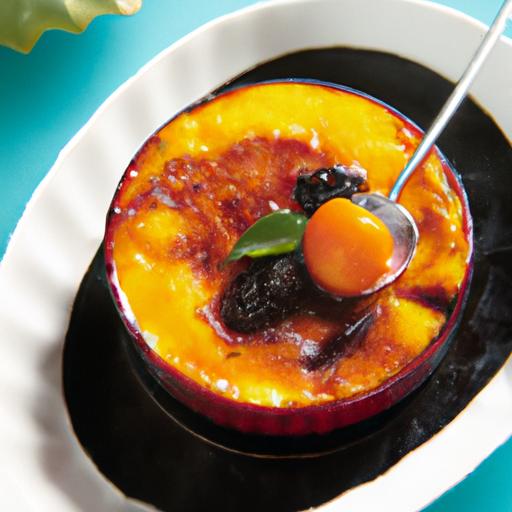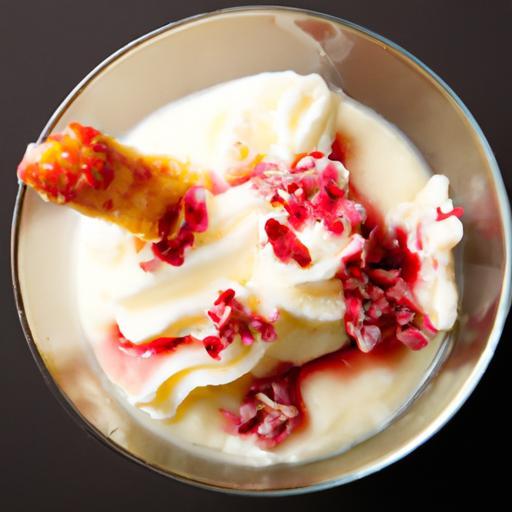

Beneath the humble guise of a simple, spoonable treat lies a centuries-old culinary tradition brimming with charm and history-the Fool dessert. Often overshadowed by flashier confections, this sweet staple carries a story as rich and layered as its creamy texture. In “Fool Dessert Unveiled: A Sweet Tradition Explained Clearly,” we delve into the origins, ingredients, and cultural significance of this delightful pudding, peeling back the layers to reveal why fools have captivated palates and hearts for generations. Prepare to savor the blend of tangy fruit and silky cream in a way that’s as enlightening as it is delicious.
Fool dessert unveiled: a sweet tradition explained clearly reveals a timeless treat deeply woven into English culinary history. This luscious custard and puréed fruit dessert offers a delightful harmony of creamy texture and vibrant natural sweetness, perfect for any season. Its roots trace back centuries, celebrated in countless British households as a symbol of comfort and festive indulgence. Whether draping ripe stewed rhubarb, tangy gooseberries, or succulent berries, fool showcases the art of simple elegance in dessert-making.
Prep and Cook Time
Preparation: 15 minutes
Cooking: 10 minutes
Total: 25 minutes
Yield
Serves 4 generously
Difficulty Level
Easy – perfect for home cooks and dessert lovers of all skill levels
Ingredients
- 2 cups fresh or frozen berries (raspberries, strawberries, or gooseberries work beautifully)
- 2 tablespoons granulated sugar (adjust based on fruit sweetness)
- 1 teaspoon lemon juice
- 1 cup heavy cream, chilled
- 2 tablespoons powdered sugar
- 1 teaspoon vanilla extract
Instructions
- Prepare the fruit purée: In a medium saucepan, combine the berries, granulated sugar, and lemon juice. Cook over medium heat until berries soften and release their juices, about 5-7 minutes. Stir occasionally to prevent sticking.
- Cool the purée: Remove from heat and pass the cooked fruit through a fine sieve or blend to achieve a smooth purée. Set aside and let it cool completely.
- Whip the cream: In a chilled mixing bowl, beat the heavy cream, powdered sugar, and vanilla extract with an electric mixer until soft peaks form. Be careful not to overwhip; the cream must remain light and fluffy.
- Fold the fruit purée into the whipped cream: Gently incorporate the purée using a spatula, folding carefully to maintain airy volume and achieve a beautifully marbled effect.
- Chill to set: Spoon the fool into individual serving glasses or bowls. Refrigerate for at least 1 hour to allow flavors to meld and for the dessert to achieve the perfect chilled texture.
- Garnish and serve: Before serving, add fresh berries or a mint sprig for a pop of color and freshness.
Tips for Success
- Choose ripe, fresh fruit in season for the brightest flavor and vibrant color.
- Adjust sugar levels depending on the tartness of your berries; use honey for a subtle floral note as an alternative.
- For an extra layer of texture, stir in crushed amaretti biscuits or toasted almonds when folding the fruit purée.
- Make ahead: Fool can be prepared up to 24 hours in advance; keep chilled and covered to retain its delicate balance.
- Vegan variation: Substitute heavy cream with coconut cream whipped with a touch of vanilla.
Serving Suggestions
Serve fool in delicate glassware to highlight its inviting swirls of cream and fruit. Pair with a crisp elderflower cordial or a sparkling dessert wine like Prosecco for festive occasions. For a warm touch in colder months, accompany with a lightly spiced mulled wine or fresh baked shortbread.
Garnish ideas include a sprinkle of lemon zest, fresh mint leaves, or edible flowers for that extra visual and aromatic impact.
Nutritional Information
| Nutrient | Per Serving |
|---|---|
| Calories | 210 |
| Protein | 2g |
| Carbohydrates | 18g |
| Fat | 15g |

Discover more celebratory desserts like this in our Classic British Desserts collection. For a deep dive into the history and evolution of this dessert, visit British Food History.
Q&A
Q&A: Fool Dessert Unveiled – A Sweet Tradition Explained Clearly
Q1: What exactly is a “fool” dessert?
A fool is a traditional English dessert that beautifully marries whipped cream or custard with sweetened pureed fruit. Think of it as a luscious, creamy fruit parfait-simple yet decadently delicious.
Q2: Where does the name “fool” come from?
The origins of the name are a bit whimsical. Some say it comes from the French word fouler, meaning “to crush or press,” referring to the mashed fruit. Others believe the dessert is playfully named for its foolproof simplicity or its “fooling” of the palate with its light texture.
Q3: What fruits are commonly used in a fool?
Traditionally, seasonal berries like raspberries, strawberries, and gooseberries are favorites. However, creative cooks sometimes use rhubarb, plums, or even tropical fruits like mango to keep the dessert fresh and vibrant year-round.
Q4: How is a fool dessert traditionally prepared?
The classic fool involves gently folding pureed, sweetened fruit into softly whipped cream or custard. This delicate mixing creates a marbled effect and a tender balance between tart fruitiness and creamy sweetness.
Q5: Is it possible to make a fool dessert vegan or dairy-free?
Absolutely! Instead of dairy cream, you can use coconut cream or other plant-based whipped alternatives. Combine that with fruit purée, and you have a vegan fool that’s just as indulgent and satisfying.
Q6: Why has the fool dessert stood the test of time?
Its enduring charm lies in simplicity and versatility. With just a few ingredients, it captures the essence of fresh fruit in a creamy hug, making it an easy but elegant treat perfect for casual family dinners or fancy gatherings alike.
Q7: Can a fool dessert be made ahead of time?
Yes! In fact, allowing a fool to chill in the fridge for an hour or two lets the flavors meld beautifully. Just be sure to fold the ingredients gently to maintain a fluffy texture.
Q8: Any tips for serving a fool dessert?
Serve it in clear glasses or charming ramekins to showcase the swirls of cream and fruit. Garnish with fresh berries, a sprig of mint, or a sprinkle of toasted nuts for extra flair and crunch.
Q9: How does the fool dessert compare to similar sweets like trifles or parfaits?
While trifles are layered with cake, custard, and jelly, and parfaits often feature multiple layers of yogurt or cream with granola, fools are more straightforward-a creamy canvas with swirled fruit. This simplicity gives it a softness and ease all its own.
Q10: Where can someone find authentic recipes or variations of the fool dessert?
Many classic British cookbooks and food history websites are treasure troves for fool recipes. Additionally, contemporary food blogs often put modern spins on the traditional fool, incorporating unexpected ingredients or plating ideas.
Unlocking the secret of the fool dessert reveals a tasty slice of culinary history-a dessert both humble and heavenly, sweetly waiting to be savored.
Insights and Conclusions
As we wrap up our exploration of fool dessert, we’ve peeled back the layers of this charmingly simple yet delightfully rich tradition. More than just a sweet treat, fool is a delicious testament to culinary creativity and cultural heritage-a humble blend of fruit and cream that has captured hearts across centuries. Whether spooned into a rustic bowl at a countryside feast or presented elegantly in a modern kitchen, fool continues to celebrate the joy of straightforward ingredients transformed into something wonderfully indulgent. So next time you crave a dessert that’s both comforting and steeped in history, remember the fool-a timeless classic that invites everyone to savor sweetness with a story.