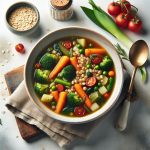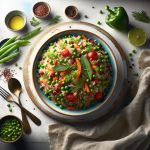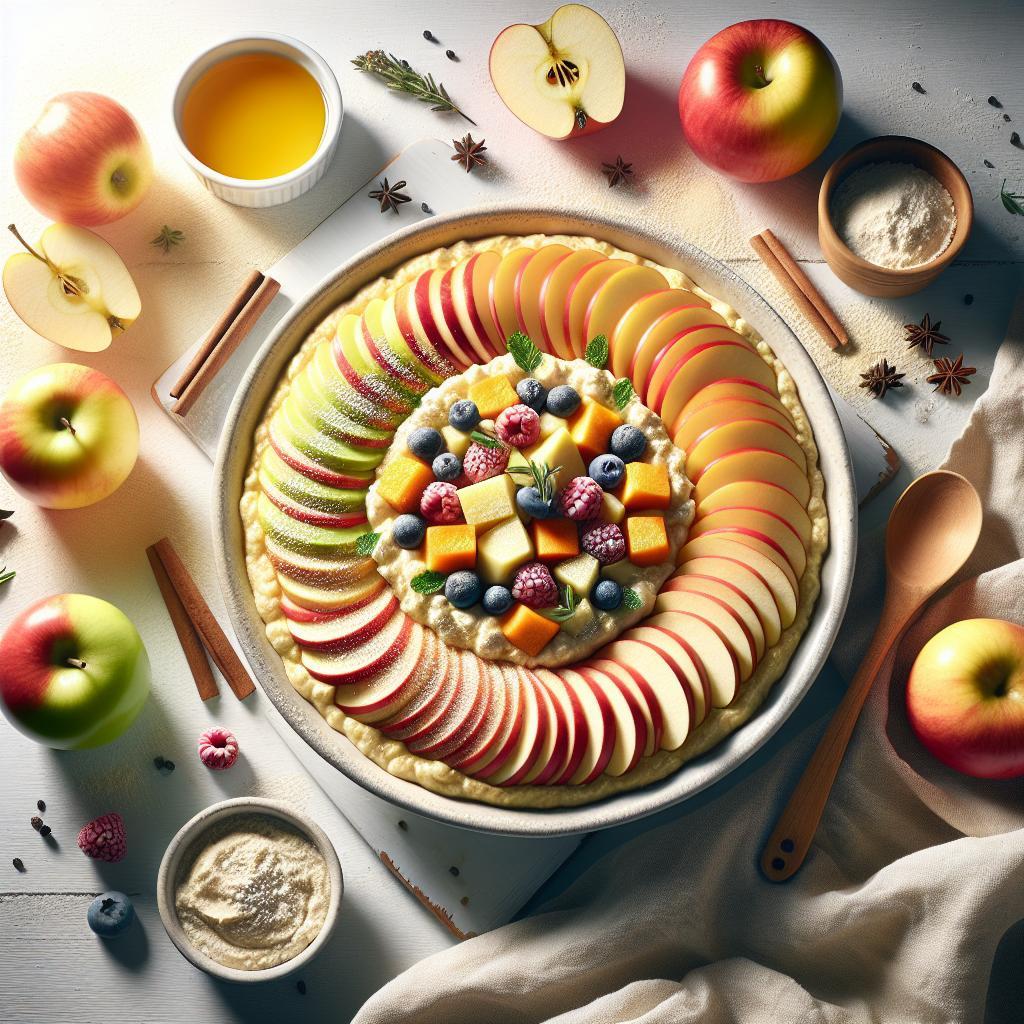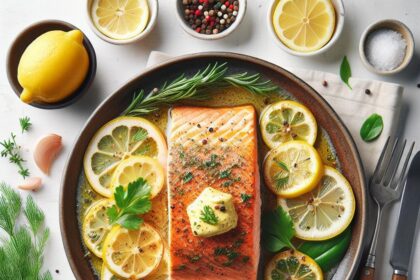

In a world brimming with vibrant colors and tantalizing tastes, the freshest vegetables stand as nature’s crispest treasures-bursting with flavors that awaken the senses and nourish the soul. “Fresh Veggie Delights: Unlocking Nature’s Crispest Flavors” invites you on a journey beyond the grocery aisle, exploring the art and science of selecting, preparing, and savoring vegetables at their peak. From garden-fresh crunch to farm-to-table freshness, discover how the simplest roots, leaves, and pods hold a symphony of textures and tastes ready to transform everyday meals into extraordinary culinary experiences. Join us as we delve into the secrets that make fresh veggies not just food, but a celebration of nature’s purest delights.
Embracing Fresh Veggie Delights: Elevate Your Seasonal Harvest
Fresh Veggie Delights unlock a vibrant world of texture and flavor, where every bite bursts with nature’s crispest essence. Drawing inspiration from farmers’ markets and garden-fresh bounty, this approach celebrates vegetable freshness at peak season. The secret is mastering techniques that intensify mouthfeel-whether it’s a tender snap or a satisfying crunch-and coaxing out the natural sweetness, earthiness, and brightness that define seasonal vegetables.
From blanching vivid green beans to shock their crunch to perfectly roasting root vegetables that caramelize their sugars, these skills transform humble produce into culinary stars. Let’s explore creative recipes where each ingredient shines, paired with expert storage tips to preserve their nutritional value and invigorating snap from harvest to table. Prepare to be inspired by simple yet stunning preparations that make every meal a celebration of nature’s finest crispness.
Prep and Cook Time
- Prep: 20 minutes
- Cook: 25 minutes
Yield
- Serves 4
Difficulty Level
- Easy to Medium
Ingredients
- 2 cups sugar snap peas, trimmed and rinsed
- 1 large bell pepper, diced (choose any color for vibrant presentation)
- 1 medium carrot, julienned for tender crunch
- 1 cup baby zucchini, sliced thinly
- 1 cup cherry tomatoes, halved
- 1 tablespoon olive oil
- 1 teaspoon sea salt
- ½ teaspoon freshly cracked black pepper
- 1 tablespoon freshly squeezed lemon juice
- 1 teaspoon finely chopped fresh basil
- 2 cloves garlic, minced
- 1 tablespoon toasted pumpkin seeds (optional garnish for crunch)
Instructions
- Blanch the sugar snap peas: Bring a pot of salted water to a rolling boil. Add the sugar snap peas and blanch for 1-2 minutes until vivid green and just tender crisp. Immediately plunge into an ice bath to lock in color and crispness. Drain and set aside.
- Prep vegetables: While peas chill, dice the bell pepper, julienne the carrot, and thinly slice baby zucchini. Halve the cherry tomatoes for juicy bursts in every bite.
- Sauté aromatics: Heat olive oil in a large skillet over medium heat. Add the minced garlic and sauté for 1 minute until fragrant but not browned, stirring to avoid burning.
- Toss vegetables: Add bell peppers, carrots, and zucchini to the skillet. Sauté gently for 5-7 minutes until vegetables are just softened but still retain some firmness. Stir occasionally to ensure even cooking and avoid sticking.
- Season and combine: Stir in lemon juice, salt, pepper, and fresh basil. Fold in the blanched sugar snap peas and cherry tomatoes. Toss gently for 1-2 minutes, warming through without losing the fresh crunch.
- Serve immediately: Transfer to a vibrant serving dish. Sprinkle with toasted pumpkin seeds for an added nutty crunch and a visual pop.
Tips for Success
- To preserve maximum crunch, avoid overcooking-vegetables should always maintain a slight snap, not limp texture.
- Use an ice bath promptly after blanching to halt cooking instantly and preserve vibrant color and nutrients.
- Fresh lemon juice brightens flavors and acts as a natural preservative, keeping dishes lively and fresh.
- For a vegan protein boost, add toasted chickpeas or a sprinkle of hemp seeds.
- Make-ahead option: Store sautéed vegetables in an airtight container for up to 2 days; refresh texture by serving chilled as a crisp salad or lightly reheated.
- Substitute seasonal vegetables like asparagus, radishes, or baby fennel depending on availability-always choose vegetables that are firm and blemish-free.
Serving Suggestions
Serve this dish as a refreshing side to grilled fish or tender poultry, or toss into warm quinoa for a nourishing main. Garnish with extra fresh herbs such as basil or mint leaves, or a sprinkle of zesty lemon zest for visual and flavor contrast. Pair with crusty whole-grain bread or creamy avocado spread to round out the meal with silky textures balancing the crispness. A drizzle of balsamic reduction adds a subtle sweet acidity, intensifying nature’s freshest flavors.
| Nutrition | Per Serving |
|---|---|
| Calories | 130 kcal |
| Protein | 4 g |
| Carbohydrates | 18 g |
| Fat | 5 g |

For additional inspiration on preparing fresh produce, explore our seasonal vegetable preparation guide. To deepen your understanding of the nutritional profile and health benefits of fresh vegetables, visit the USDA ChooseMyPlate Vegetables page.
Q&A
Q&A for “Fresh Veggie Delights: Unlocking Nature’s Crispest Flavors”
Q1: What makes fresh vegetables so appealing in culinary creations?
A: Fresh vegetables bring an unmistakable crispness, vibrant colors, and a natural sweetness that elevate any dish. Their textures vary from crunchy to tender, while their flavors range from subtly sweet to pleasantly peppery, making them versatile ingredients that excite the palate and nourish the body.
Q2: How can I identify truly fresh vegetables at the market?
A: Look for vegetables that are firm, bright in color, and free of blemishes or wrinkles. Fresh greens should be crisp without any wilting, root vegetables should feel solid and heavy for their size, and seasonal variety often ensures peak freshness and flavor.
Q3: What are some simple ways to preserve the crispness of fresh veggies when cooking?
A: To maintain that prized crunch, try quick cooking methods like blanching, steaming until just tender, or stir-frying at high heat for a short time. Avoid overcooking, as it diminishes texture and flavor. Also, soaking certain vegetables in ice water after cooking helps retain their snap.
Q4: Which vegetables are known for their naturally crisp bite and are ideal for raw or lightly cooked dishes?
A: Cucumbers, bell peppers, snap peas, carrots, radishes, and celery are stars in the crispness department. These veggies shine raw in salads or slaws but can also add delightful crunch when added to lightly sautéed dishes or wraps.
Q5: Can fresh vegetables unlock unique flavor combinations when paired creatively?
A: Absolutely! Combining fresh, crisp veggies with contrasting elements like creamy avocado, tangy citrus, or a sprinkle of toasted nuts sparks a symphony of textures and flavors. Herbs like basil or cilantro also amplify freshness, transforming simple dishes into extraordinary delights.
Q6: How does seasonality influence the crispness and flavor of vegetables?
A: Vegetables harvested in season are at their peak crispness and flavor. For example, spring peas burst with sweetness and tenderness, while autumn carrots offer a hearty crunch. Eating seasonally ensures you enjoy nature’s freshest produce, often grown more sustainably and thoughtfully.
Q7: What tips can help enhance the natural flavors of fresh veggies in everyday meals?
A: Embrace minimal seasoning to let the vegetable shine-think a drizzle of quality olive oil, a pinch of sea salt, a splash of lemon juice, or a dusting of freshly ground pepper. Roasting or grilling can also deepen flavors while preserving moisture and offering a wonderful textural contrast.
Q8: What are some creative ways to incorporate fresh veggies into snacks or appetizers?
A: Think veggie sticks paired with vibrant hummus, crisp cucumber rounds topped with herbed cheese, or colorful crudité platters featuring a medley of dipping sauces. Fresh vegetable spring rolls and lettuce wraps also make for refreshing, healthful bites bursting with texture and flavor.
Q9: How does the freshness of vegetables contribute to overall health and wellness?
A: Fresh vegetables retain their nutrients better than those stored for long periods, providing abundant vitamins, minerals, antioxidants, and fiber. Their natural crispness signals vitality and freshness, supporting digestion and boosting energy with every crunchy bite.
Q10: Any final thoughts on unlocking the crispest flavors nature offers?
A: The secret lies in respecting the vegetable’s journey from soil to table: choose seasonal, store them properly, handle gently, and prepare with intention. Celebrating the natural textures and flavors lets you savor nature’s freshest gifts, transforming everyday meals into vibrant, wholesome experiences.
Final Thoughts
As we peel back the layers of nature’s bounty, it becomes clear that fresh vegetables are more than just ingredients – they are vibrant bursts of flavor, texture, and health that transform every meal into a celebration of life’s simplest pleasures. Embracing these crisp, colorful delights not only unlocks a world of culinary creativity but also reconnects us with the very essence of nourishment. So next time you reach for a snack or plan a meal, let the fresh veggie palette inspire your palate and invigorate your day, turning ordinary moments into extraordinary experiences rooted in nature’s freshest gifts.