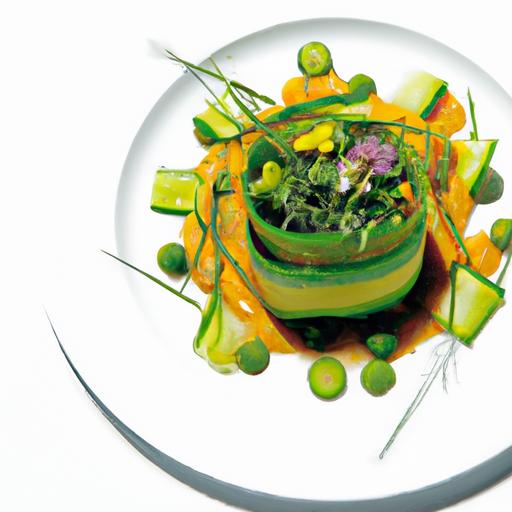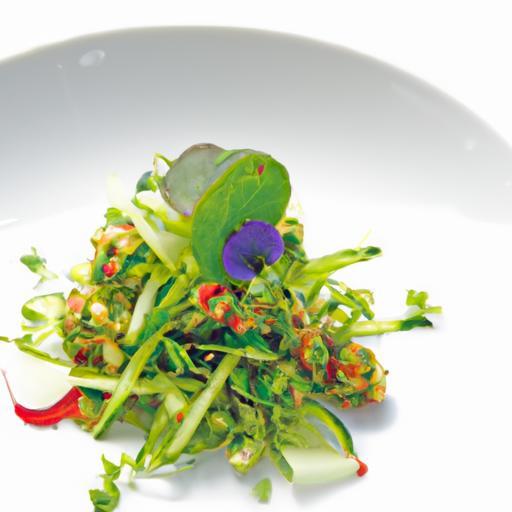

Beneath the surface of every vibrant leaf and sprouting seed lies a compelling story-one that stretches back through centuries of human curiosity, culture, and change. “From Roots to Revolution: Unveiling ‘Plant-Based’ Origins” journeys into the rich tapestry of history that has shaped the plant-based movement as we know it today. Far beyond a modern dietary trend, the embrace of plant-powered living is deeply entwined with ancient traditions, groundbreaking discoveries, and a rising wave of ecological and ethical awakening. Join us as we peel back the layers of time to uncover how humble roots have sparked a global revolution in the way we eat, live, and connect with the natural world.
From Roots to Revolution: Unveiling Plant-Based Origins
From Roots to Revolution: Unveiling Plant-Based Origins invites you on a fascinating journey through the timeless tradition of plant-based eating, rooted deeply across cultures and centuries. This recipe embodies the spirit of this movement-nourishing, sustainable, and deliciously wholesome. Inspired by ancient grains and vibrant vegetables, it offers a harmonious balance of flavors that not only delights the palate but honors the profound history behind plant-powered nutrition.
Prep and Cook Time
- Preparation: 15 minutes
- Cooking: 25 minutes
- Total Time: 40 minutes
Yield
Serves 4 generous portions
Difficulty Level
Medium – approachable for home cooks ready to explore plant-based flavors
Ingredients
- 1 cup quinoa, rinsed thoroughly
- 2 cups vegetable broth (low sodium preferred)
- 1 cup chickpeas, cooked or canned, drained and rinsed
- 1 medium sweet potato, peeled and diced into 1/2-inch cubes
- 1 red bell pepper, diced
- 1 small red onion, finely chopped
- 2 cloves garlic, minced
- 1 tablespoon olive oil
- 1 teaspoon smoked paprika
- 1/2 teaspoon ground cumin
- ½ teaspoon turmeric
- Salt and black pepper to taste
- Juice of 1 lemon
- Fresh parsley, chopped for garnish
- 1 avocado, sliced (optional)
Instructions
- Cook the quinoa: In a medium saucepan, combine the rinsed quinoa with vegetable broth. Bring to a boil, then reduce heat, cover, and simmer for 15 minutes or until broth is absorbed. Remove from heat and fluff with a fork.
- Prepare the vegetables: While quinoa cooks, heat olive oil in a large skillet over medium heat. Sauté the diced onion and garlic until fragrant and translucent, about 3 minutes.
- Add spices and sweet potato: Stir in smoked paprika, cumin, turmeric, salt, and pepper. Add the diced sweet potato and cook, stirring occasionally, for about 10 minutes until tender but still firm.
- Introduce chickpeas and bell pepper: Mix in the chickpeas and red bell pepper, cooking an additional 5 minutes. Stir gently to combine and warm through without breaking the chickpeas.
- Combine quinoa and vegetable mixture: Transfer the cooked quinoa into the skillet, mixing well to ensure even distribution of colors and textures.
- Add lemon juice: Remove from heat and squeeze fresh lemon juice over the dish. Toss lightly to brighten flavors.
- Serve and garnish: Plate the warm quinoa-vegetable medley. Garnish with fresh parsley and optional sliced avocado for creaminess.
Chef’s Notes and Tips for Success
- Substitution tip: Swap quinoa for farro or brown rice for different textures and nutrient profiles.
- Make ahead: This recipe keeps well in an airtight container for up to 3 days. Reheat gently with a splash of broth or water to maintain moisture.
- Enhance protein: Add toasted walnuts or pumpkin seeds for crunch and extra nutrition.
- Flavor boost: Incorporate a pinch of cinnamon or chili flakes to accentuate warmth or heat based on preference.
- Colorful additions: Toss in chopped kale or spinach in the last 2 minutes of cooking for added greens and vitamins.
Serving Suggestions
Serve warm with a side of crisp mixed greens tossed in a tangy vinaigrette. Pair with a chilled glass of herbal iced tea or fresh-pressed juice to complement the earthy, vibrant notes of the dish. Garnish generously with sprouts, microgreens, or edible flowers to elevate the visual appeal and add a fresh, peppery bite.

| Nutrient | Amount per Serving |
|---|---|
| Calories | 320 kcal |
| Protein | 11 g |
| Carbohydrates | 45 g |
| Fat | 7 g |
For further inspiration on plant-based meals, check out our Ultimate Guide to Plant-Based Recipes. For scientific insights on nutrition, visit the American Society for Nutrition.
Q&A
Q&A: From Roots to Revolution: Unveiling “Plant-Based” Origins
Q1: What does the term “plant-based” really mean?
A1: At its core, “plant-based” refers to foods and diets primarily made up of plants-fruits, vegetables, grains, nuts, and seeds. But beyond the plates, it symbolizes a lifestyle choice rooted in health, sustainability, and compassion. It’s not just about what’s on the menu; it’s about embracing plants as the foundation of nourishment and well-being.
Q2: How far back do plant-based practices actually go?
A2: Surprisingly far! The plant-based journey stretches back thousands of years, long before the trendy juice cleanses and meatless Mondays. Ancient cultures across Asia, Africa, and the Mediterranean celebrated plant-rich diets for their healing powers and spiritual significance. From Ayurvedic medicine in India to the Mediterranean’s bounty, plants were revered as life-givers long before the modern revolution.
Q3: What sparked the modern “plant-based” movement?
A3: The modern plant-based revolution ignited from a confluence of scientific revelations and social awakenings. As research spotlighted the links between animal agriculture, climate change, and chronic diseases, people began rethinking their plates. Advocates championed the ethical and ecological imperatives, turning a personal health choice into a global movement for planet-friendly eating.
Q4: How do plants inspire innovation beyond food?
A4: Plants are nature’s masterminds, offering inspiration far beyond salads and smoothies. Designers mimic leaf structures for sustainable architecture; scientists develop biodegradable materials from plant fibers; even medicines trace their origins to compounds inside roots and leaves. The plant-based paradigm sparks creativity and solutions in medicine, technology, and environmental stewardship.
Q5: Why is understanding the origins of “plant-based” important today?
A5: Knowing the roots gives us perspective and power. It reminds us that choosing plants isn’t a fleeting trend but a revival of ancient wisdom combined with modern insight. This foundation helps us appreciate the cultural richness, ecological necessity, and health benefits embedded in plant-based living-guiding us toward a resilient future nourished by the earth’s green gifts.
Q6: What’s the next frontier in the plant-based revolution?
A6: The journey is blooming with possibility-from lab-grown plant proteins that mimic meat to regenerative farming restoring soil health. As science and tradition join hands, the next frontier will deepen sustainability, equity, and connection. The revolution won’t just change what we eat-it will redefine how we relate to the planet and each other.
This Q&A aims to illuminate the vibrant story behind “plant-based,” inviting readers to explore its roots and embrace the revolution growing all around us.
Wrapping Up
As we’ve traced the journey from ancient roots to modern revolutions, it becomes clear that the story of “plant-based” is more than a dietary choice-it’s a tapestry woven with culture, innovation, and awakening. By unveiling its origins, we not only honor the wisdom of the past but also empower the future of food, health, and sustainability. In embracing plant-based living, we participate in a timeless movement that reconnects us with nature’s bounty and inspires a transformative path forward. The revolution is ongoing, and it begins with every mindful bite.