
In a world increasingly conscious of health, sustainability, and the simple joy of nurturing life from soil to plate, growing your own vegetables has blossomed into a rewarding adventure. “Growing Green: Secrets to Your Veggie Success Garden” invites you to dig deeper-beyond the basics-into the art and science of cultivating vibrant, bountiful gardens bursting with flavor and vitality. Whether you’re working with a sprawling backyard or a cozy balcony, the journey to veggie success is paved with smart techniques, mindful care, and a dash of green-thumb magic. Get ready to unlock the secrets that transform humble seeds into thriving harvests, and turn your garden into a lush oasis of fresh, wholesome goodness.
Preparing Your Soil for Nutrient-Rich Harvests
Growing Green: Secrets to Your Veggie Success Garden starts with the heart of every thriving vegetable patch-your soil. This foundation is where your plants draw their strength, flavor, and vitality, transforming simple seeds into vibrant, nutrient-packed produce. Whether you’re starting with a tired garden bed or a new plot, revitalizing your soil unlocks the door to abundant harvests. Imagine digging into soft, crumbly earth that bursts with life-a living recipe for success.
Begin by testing your soil’s pH and nutrient profile, easily done with affordable kits or local cooperative extensions. Aim for a balanced pH between 6.0 and 7.0, ideal for most vegetables. Incorporate organic matter-like well-rotted compost or aged manure-to boost fertility and encourage beneficial microbes. For heavier clay soils, add coarse sand or fine gravel to improve drainage. Loosen the soil at least 12 inches deep to help roots access oxygen and nutrients.
By nurturing your soil, you’re creating a natural pantry of nutrients ready to fuel every stage of your veggie garden’s growth.
Selecting the Perfect Veggie Varieties for Your Climate
Choosing the right vegetable varieties tailored to Growing Green: Secrets to Your Veggie Success Garden and your specific climate dramatically improves your garden’s resilience and productivity. Start by consulting seed catalogs or local nurseries for plants labeled with your hardiness zone or known to thrive in your region’s temperature and rainfall patterns.
For cooler climates, opt for leafy greens like kale, Swiss chard, and early-season broccoli. Warm climates welcome tomatoes, eggplants, and peppers that bask in the sun’s embrace. Heirloom varieties often offer rich flavor and adaptability to your local microclimate, enhancing your garden’s diversity and delighting your palate with unique tastes and textures.
Mix early, mid, and late-season varieties to extend your harvest period, keeping your kitchen stocked with fresh vegetables from spring through fall.
Mastering Watering Techniques to Boost Growth
Water is life, but too much or too little can stunt your vegetable garden’s potential. To maximize your Growing Green: Secrets to Your Veggie Success Garden, adopt smart watering habits to keep roots happy and healthy.
Water deeply but infrequently to encourage deep root systems-this means soaking the soil instead of surface sprinkling. Early morning is the best time to water, reducing evaporation and fungal risks. Drip irrigation or soaker hoses deliver moisture directly to the roots, conserving water and keeping foliage dry. Mulching around plants seals moisture in and shields roots from temperature swings.
Observe your plants: drooping leaves signal thirst, while yellowing often means overwatering. Fine-tune your approach seasonally and by vegetable type, as some crops are thirstier than others.
Creating Natural Pest Defenses for a Thriving Garden
The joy of Growing Green: Secrets to Your Veggie Success Garden flourishes when plants are safeguarded naturally from common pests. Embrace companion planting by interspersing aromatic herbs such as basil, rosemary, and thyme to repel harmful insects. Marigolds are a classic choice to deter nematodes and beetles.
Encourage beneficial insects like ladybugs and lacewings by planting flowers like yarrow and dill nearby-these allies feed on aphids and other nuisances. Handpicking larger pests and using barriers such as row covers helps keep your crops intact without chemicals.
For persistent invaders, homemade sprays made from garlic or neem oil often provide effective, eco-friendly solutions. By establishing these defense layers, your garden becomes a balanced ecosystem where vegetables thrive naturally.
Prep and Care Time
- Soil Preparation: 2-3 hours (including testing and amendment)
- Plant Selection & Planning: 1-2 hours
- Watering Setup and Ongoing Care: 10-15 minutes daily
- Pest Defense Installation: 1 hour initially; 10 minutes weekly maintenance
Yield
A flourishing veggie garden can produce several pounds of fresh vegetables per 100 square feet per growing season, depending on your chosen varieties and climate.
Difficulty Level
Medium: Ideal for gardeners with some experience wanting to deepen their knowledge and boost yields naturally.
Tips for Success
- Rotate crops annually to prevent nutrient depletion and reduce pest buildup.
- Incorporate green manures like clover or vetch during off-seasons to enrich soil health.
- Adjust watering according to rainfall patterns and soil moisture; use a moisture meter if needed.
- Interplant flowers with veggies to attract beneficial insects and create a vibrant garden ecosystem.
- Build compost on-site using kitchen scraps and garden waste for a sustainable nutrient boost.
Serving Suggestions
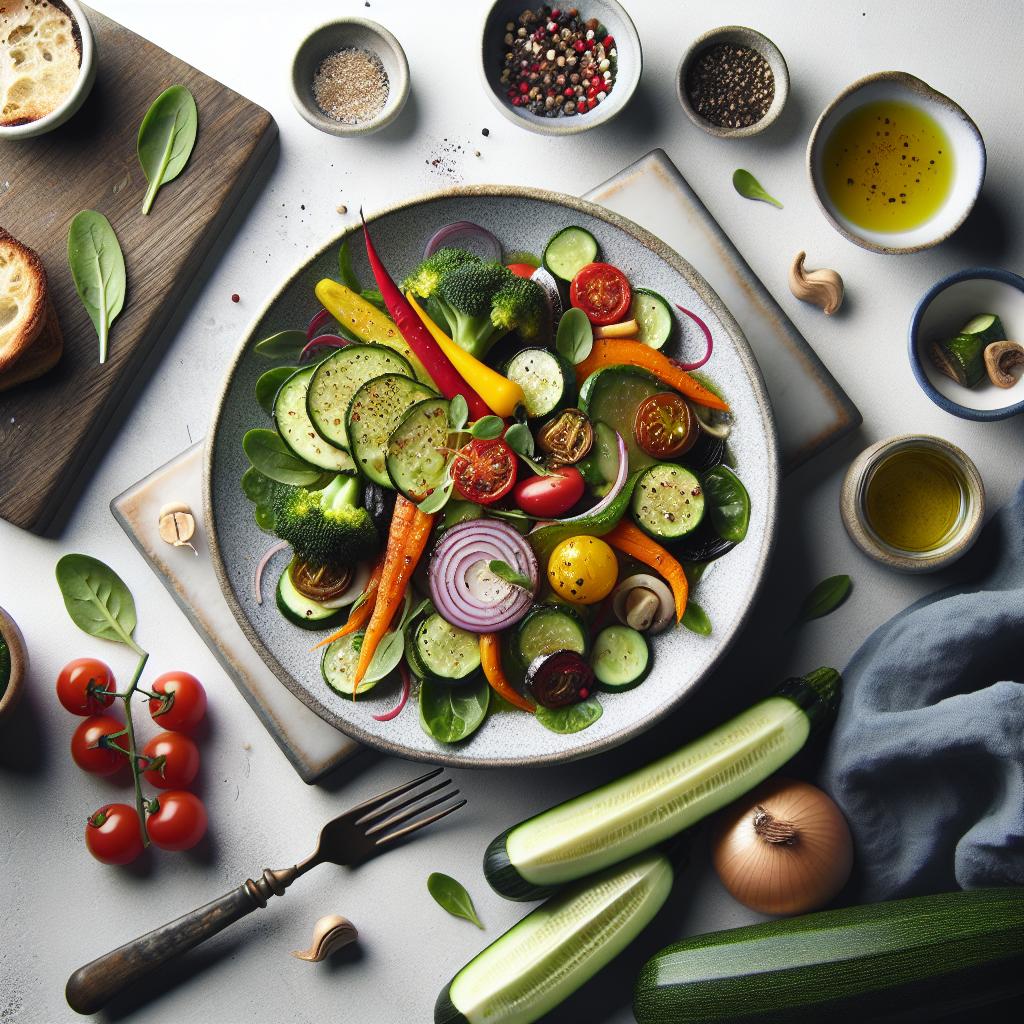
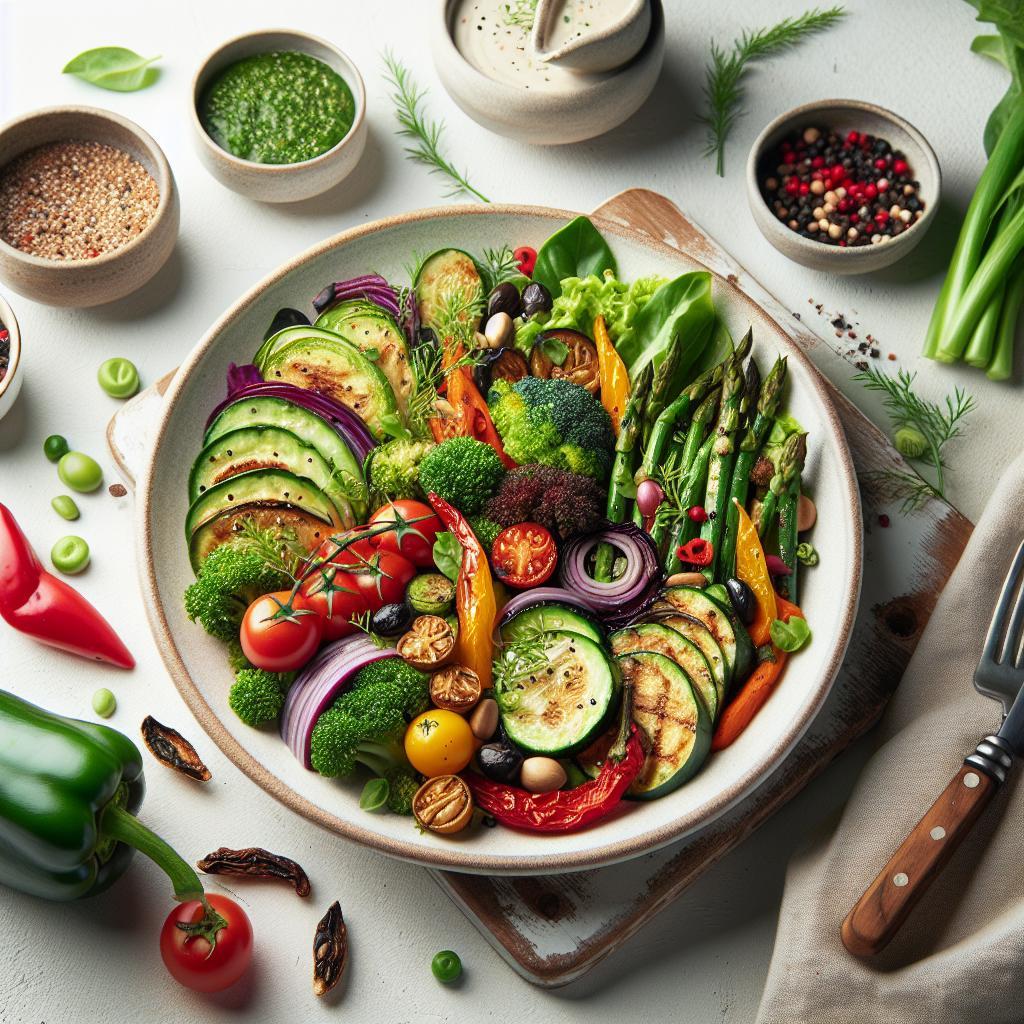
Present your garden bounty in fresh salads, vibrant stir-fries, or rustic vegetable medleys that highlight the natural flavors nurtured from soil to table. Garnish with freshly snipped herbs and edible flowers to echo the garden’s beauty and vitality.
| Nutrient | Benefits | Garden Focus |
|---|---|---|
| Soil pH | Optimal nutrient availability | 6.0-7.0 |
| Watering Depth | Encourages strong roots | 6-8 inches |
| Organic Matter | Enhanced fertility & moisture retention | 20-30% by volume |
| Beneficial Insects | Natural pest control | Encouraged by companion plants |
For more detailed soil testing and improvement techniques, visit USDA Soil Health Guide. Explore additional gardening wisdom on our Seasonal Planting Guide.

Q&A
Q&A: Growing Green – Secrets to Your Veggie Success Garden
Q1: What’s the very first step to starting a thriving veggie garden?
A1: The foundation of your veggie success starts with the soil. Healthy, nutrient-rich soil is the secret ingredient that nurtures happy plants. Begin by testing your soil’s pH and nutrient levels, then enrich it with compost and organic matter. This creates a fertile playground where roots can dive deep and veggies flourish.
Q2: How do I choose the best veggies for my garden?
A2: Think of your garden as a tailored wardrobe-select plants suited to your climate, season, and soil type. Cool-weather crops like lettuce and radishes shine in spring and fall, while sun-loving tomatoes and peppers thrive in warm summer beds. Blend fast-growers with longer-season crops for continuous harvests that keep your kitchen buzzing.
Q3: Can companion planting really boost my harvest?
A3: Absolutely! Companion planting is like matchmaking-pairing plants that support each other’s growth and defense. For example, planting basil near tomatoes not only enhances flavor but also repels pests. Beans fix nitrogen, helping leafy greens nearby grow greener than ever. It’s biodiversity in action, working for your veggie patch.
Q4: How much water do veggies actually need?
A4: Veggies love to sip, but not drown. Most need about 1 inch of water per week, preferably delivered at the base to keep leaves dry and reduce disease risk. Early morning watering is best; it allows plants to soak up moisture before the sun’s heat kicks in and minimizes evaporation. Consistency is key-uneven watering can stress plants and stunt growth.
Q5: What’s the role of mulch in a veggie garden?
A5: Mulch is your garden’s cozy blanket. It locks in moisture, keeps weeds at bay, and maintains soil temperature. Organic mulches like straw, shredded leaves, or grass clippings break down over time, enriching the soil even further. This simple step can mean healthier plants and less effort on your part.
Q6: How do I protect my veggies from pests without chemicals?
A6: Embrace nature’s defenders! Encourage beneficial insects like ladybugs and lacewings, handpick pests off plants, and use barriers like row covers or netting. Homemade sprays with garlic, neem oil, or soapy water can deter troublemakers without harsh chemicals. A strong garden ecosystem is your veggie’s best bodyguard.
Q7: When should I start harvesting for peak flavor?
A7: Timing is everything! Veggies picked at their peak stage deliver the best taste and texture. Leafy greens taste freshest when young and tender, while fruits like cucumbers and zucchinis are sweetest before seeds mature. Regular harvesting also encourages plants to keep producing-a delicious cycle of abundance.
Q8: Any tips for extending my veggie gardening season?
A8: To keep your garden yielding beyond the typical growing months, employ tools like cold frames, row covers, and raised beds. These create warmer microclimates and protect plants from early frosts, letting you savor garden-fresh goodness well into fall and even winter. Planning succession plantings keeps fresh veggies on your plate all season long.
Grow with patience and curiosity, and your veggie garden will reward you with bountiful, vibrant harvests. Happy gardening!
Closing Remarks
As the sun sets on your garden of dreams, remember that growing green is more than just a hobby-it’s a living, breathing journey of patience, care, and connection to the earth. With these secrets to veggie success in hand, you’re equipped to nurture not only plants but a vibrant ecosystem where every leaf, root, and blossom tells a story of growth and abundance. So dig in, water well, and watch as your garden flourishes into a lush, thriving haven-proof that with a little knowledge and a lot of love, the freshest flavors really do grow best right outside your door. Happy gardening!