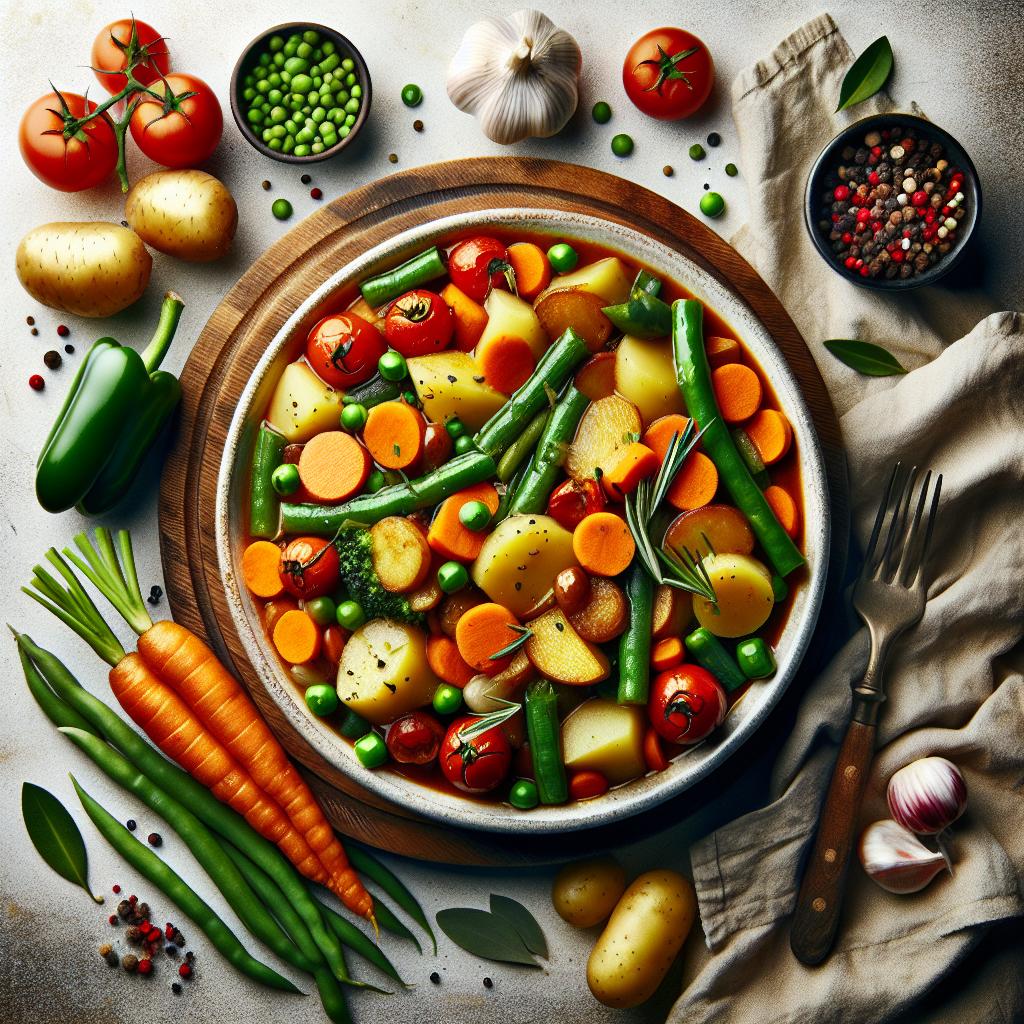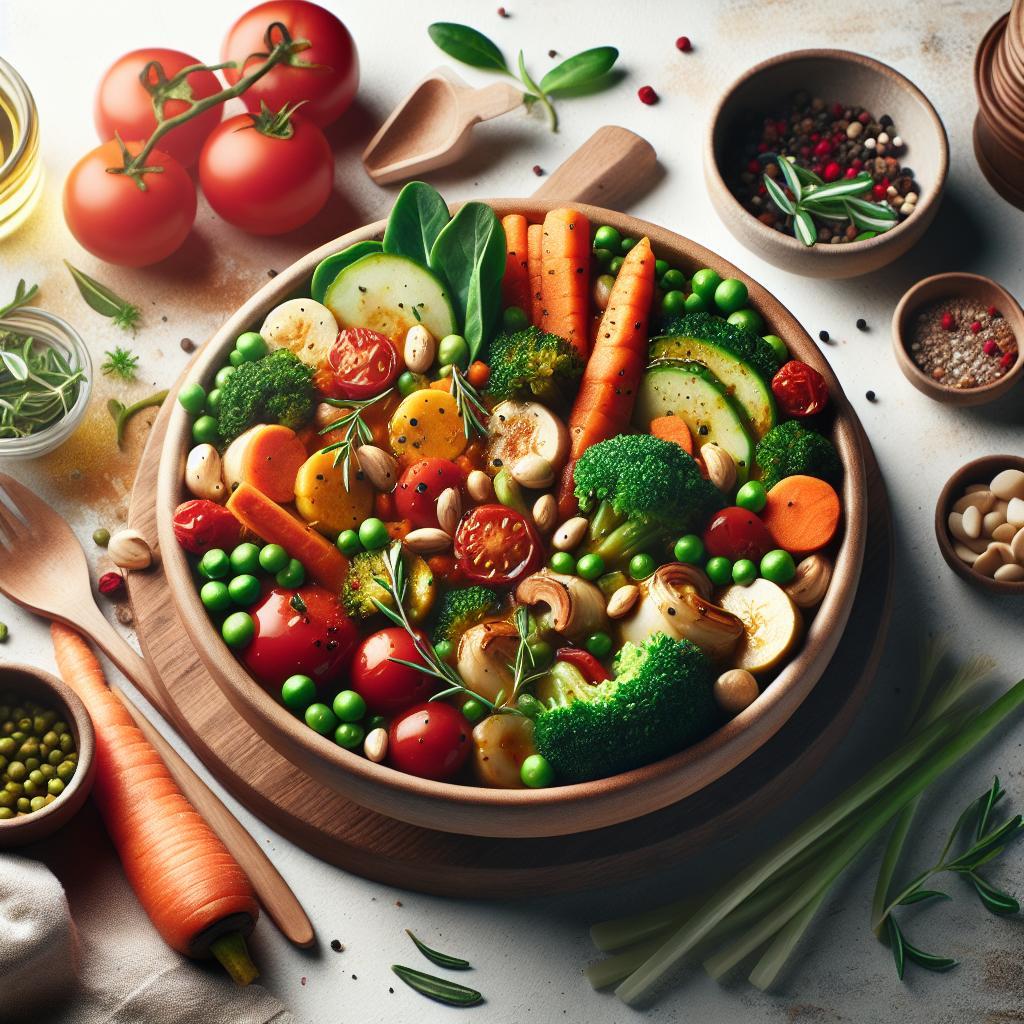

There’s something timeless about a steaming bowl of hearty vegetable stew-a vibrant mosaic of garden-fresh ingredients simmered to perfection, offering warmth and nourishment in every spoonful. More than just a meal, it’s a comforting ritual that connects us to the earth’s bounty and the slow, soulful art of cooking. In this article, we’ll explore the secrets behind crafting a truly satisfying vegetable stew, delving into the choice of root vegetables, rich broths, and subtle spices that transform simple produce into a bowl of pure comfort. Whether you’re seeking a wholesome dinner or a cozy antidote to chilly days, a hearty vegetable stew promises to nourish both body and spirit.
Hearty vegetable stew is more than just a meal-it’s a symphony of flavors and textures that comforts the soul and nourishes the body. Rooted in wholesome ingredients and thoughtful preparation, this stew transforms humble vegetables into a bowlful of warmth and satisfaction. Whether you’re tending to a chilly evening or seeking a nutrient-rich dinner, it’s a timeless dish that invites you to savor every spoonful.
Prep and Cook Time
- Preparation: 20 minutes
- Cooking: 1 hour 10 minutes
- Total Time: 1 hour 30 minutes
Yield
Serves 6 generous portions
Difficulty Level
Easy to Medium – perfect for weeknight dinners or leisurely weekend cooking
Ingredients
- 3 tablespoons extra virgin olive oil
- 1 large yellow onion, finely diced
- 4 cloves garlic, minced
- 2 large carrots, peeled and cut into chunky rounds
- 2 celery stalks, chopped
- 2 medium potatoes, peeled and cubed
- 1 small butternut squash, peeled and cubed (about 3 cups)
- 1 cup green beans, trimmed and halved
- 1 cup diced tomatoes (canned or fresh)
- 4 cups vegetable broth, low sodium preferred
- 1 teaspoon smoked paprika
- 1 teaspoon dried thyme
- 1 teaspoon dried rosemary, crushed
- 1 bay leaf
- Salt & freshly ground black pepper, to taste
- 1/4 cup chopped fresh parsley, for garnish
- 1 tablespoon lemon juice, to brighten
Instructions
- Heat olive oil in a large heavy-bottom pot over medium heat. Add the diced onion and sauté until softened and translucent, about 5 minutes, stirring frequently.
- Add the minced garlic and cook for another minute until fragrant-be careful not to let it burn.
- Introduce the carrots and celery to the pot. Sauté for 7-8 minutes until tender but still firm, stirring occasionally to build that foundational flavor base.
- Stir in the potatoes, butternut squash, and green beans, coating them with the aromatic base. Cook for 3 minutes to activate the natural sugars and deepen caramelization.
- Add the diced tomatoes, vegetable broth, smoked paprika, thyme, rosemary, and bay leaf. Stir well to combine all the elements.
- Bring the stew to a gentle boil, then reduce the heat to low. Cover partially and let it simmer for 45 minutes to an hour, stirring occasionally to prevent sticking and to allow the flavors to meld harmoniously.
- Season with salt and pepper towards the end of cooking, adjusting according to your preference. Remove the bay leaf.
- Finish with fresh parsley and a splash of lemon juice just before serving to brighten the earthy richness of the stew.
Tips for Success
- Layer your flavors: Sweating the onion and garlic first, then adding the harder vegetables, ensures depth without overcomplicating the process.
- Use fresh herbs if possible: While dried herbs provide convenience, fresh thyme and rosemary elevate the stew’s aroma to vibrant heights.
- Adjust texture: For a thicker stew, gently mash some of the root vegetables with a wooden spoon as it simmers.
- Make it ahead: This stew tastes even better the next day-store in an airtight container in the fridge for up to 3 days or freeze for longer storage.
- Vegetable swaps: Feel free to use sweet potatoes instead of butternut squash or add hearty mushrooms for extra umami depth.
Creative Twists and Serving Suggestions
To make this hearty vegetable stew truly your own, consider stirring in a dollop of vegan sour cream or creamy coconut yogurt on each serving for a luscious finish. A sprinkle of toasted pumpkin seeds adds delightful crunch and contrast. Serve alongside a slice of crusty sourdough bread to soak up every bit of the rich broth.
For a Mediterranean flair, garnish with olives and a drizzle of good-quality extra virgin olive oil. Alternatively, a sprinkle of nutritional yeast can contribute a subtle cheesy undertone without dairy.
Serve piping hot in deep bowls and top with fresh parsley and a wedge of lemon on the side-this interplay of vibrant greens and zesty citrus elevates the overall experience, making every spoonful a celebration of comfort and nourishment.
| Nutrient | Per Serving |
|---|---|
| Calories | 210 kcal |
| Protein | 6 g |
| Carbohydrates | 38 g |
| Fat | 5 g |
| Fiber | 8 g |

Discover more on enriching your meals with nutrient-dense vegetable recipes in our Nutritional Plant-Based Recipes collection. For detailed insights into the health benefits of root vegetables, explore the expert resources at Healthline.
Q&A
Q&A: Hearty Vegetable Stew – A Nourishing Bowl of Comfort
Q1: What makes a vegetable stew “hearty” and satisfying?
A1: A hearty vegetable stew is one that offers not only rich flavors but also a satisfying, well-rounded texture and nutrition. This typically means using a variety of root vegetables like carrots, potatoes, and parsnips, combined with legumes such as beans or lentils for protein, and simmering everything slowly to develop deep, comforting flavors. The stew should feel filling and warm, like a cozy hug in a bowl.
Q2: Which vegetables work best to create a rich, flavorful base for the stew?
A2: Aromatics like onions, garlic, and celery are essential for building a flavorful foundation. From there, a blend of earthy root vegetables like carrots and potatoes adds heft, while hearty greens such as kale or Swiss chard bring vibrancy and nutrition. Mushrooms are a fantastic addition for their umami depth, enhancing the stew’s complexity.
Q3: How can I naturally thicken my vegetable stew without relying on flour or cornstarch?
A3: To achieve a luscious, thick texture without flour or cornstarch, try mashing a portion of the cooked potatoes or beans directly in the pot and stirring them back in. Another trick is to blend a small amount of the stew itself and reincorporate the purée, creating body and creaminess from the ingredients themselves.
Q4: Are there any herbs and spices that particularly elevate a vegetable stew?
A4: Absolutely! Fresh herbs like thyme, rosemary, and bay leaves add aromatic warmth. For a gentle kick, a touch of smoked paprika or ground cumin can bring cozy, earthy nuances. Finish with fresh parsley or a hint of lemon zest to brighten the stew, balancing richness with lively freshness.
Q5: Can a vegetable stew be made ahead and still taste just as delicious?
A5: Yes! Vegetable stew often tastes even better the next day, as the flavors have more time to meld together. Simply refrigerate it in an airtight container and gently reheat on the stove. If the stew has thickened too much in the fridge, add a splash of vegetable broth or water to loosen it back up.
Q6: What are some creative ways to serve or garnish a hearty vegetable stew?
A6: A dollop of creamy plant-based yogurt or a drizzle of herb-infused olive oil can add a luxurious touch. Rustic crusty bread, garlic toast, or a sprinkle of toasted nuts or seeds provides delightful texture contrasts. For a touch of brightness, top with fresh chopped herbs or a squeeze of lemon juice just before serving.
Q7: How can this stew be adapted for those looking to increase protein content without meat?
A7: Legumes like lentils, chickpeas, and various beans are excellent plant-based protein sources that also add texture and heartiness. Adding quinoa or barley can boost the protein content and introduce a pleasant chewaterss. Combining these ingredients ensures the stew is both nourishing and satisfying without any animal products.
Q8: What is the secret to developing deep flavor in a vegetable stew using simple ingredients?
A8: Patience and layering flavors are key. Start by sautéing the aromatics until golden, toast your spices for maximum aroma, and then simmer the stew slowly to allow the ingredients to meld. Using homemade or high-quality vegetable broth also significantly enhances depth. A splash of acid-like balsamic vinegar or tomato paste-added during cooking can round out the flavors beautifully.
This Q&A aims to inspire and inform, making every sip of your hearty vegetable stew full of delicious warmth and nourishment!
Future Outlook
As the steam rises from your bowl of hearty vegetable stew, you’re not just tasting a meal-you’re savoring a symphony of nature’s bounty, slow-cooked into a nourishing embrace. This comforting dish, rich with vibrant vegetables and fragrant herbs, transcends the ordinary to become a ritual of warmth and wellness. Whether enjoyed on a chilly evening or anytime your soul craves wholesome simplicity, a bowl of hearty vegetable stew invites you to pause, nourish, and delight in the pure joy of comfort food done right. So next time you seek a meal that feeds both body and spirit, remember this timeless bowl brimming with goodness, crafted to heal, satisfy, and inspire.