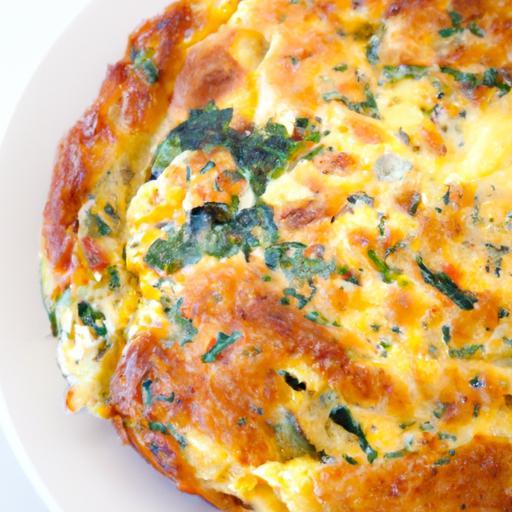

There’s something undeniably magical about a perfectly puffed frittata-a golden, airy masterpiece that rises proudly from the pan, inviting eager forks to dive into its velvety depths. Yet, just as quickly as it lifts, that cloud-like fluff can deflate, turning your culinary triumph into a dense disappointment. Fear not! Whether you’re a seasoned chef or a breakfast enthusiast, mastering the art of keeping your frittata proudly puffed is within reach. In this article, we’ll explore the top tips and kitchen secrets to ensure your frittata stays tall, light, and irresistibly fluffy from oven to table. Get ready to elevate your egg game and savor every lofty bite!
Choosing the Right Ingredients for Maximum Lift
Keep Your Frittata Puffy by starting with carefully selected ingredients that work together to create volume and lightness. Fresh eggs at room temperature are your foundation, as they whip up into frothy peaks more easily than cold eggs straight from the fridge. For that signature lift, consider adding a splash of dairy-whole milk, cream, or even crème fraîche-each adds moisture and tenderness without weighing down the batter.
Opt for high-quality, neutral-flavored oils or melted butter to sauté your fillings, which won’t interfere with the delicate egg structure. Avoid heavy or watery vegetables; instead, lightly cook ingredients like bell peppers, asparagus, or spinach to release moisture beforehand. Incorporating a pinch of baking powder is a subtle trick some chefs use to enhance rise, but it’s optional and should be used judiciously.
Mastering the Whisking Technique to Incorporate Air
The secret to a fluffy frittata lies in perfectly aerated eggs. Begin by cracking your eggs into a large, clean bowl and beating them vigorously. Use a balloon whisk or an electric mixer on medium speed to incorporate air bubbles, which expand during cooking and give the frittata its characteristic rise.
Aim for a pale, slightly frothy mixture-this indicates that air is trapped and ready to puff up beautifully in the oven. Be cautious not to overwhisk, which can cause air bubbles to collapse, nor underwhisk, which results in a dense texture. Folding in ingredients gently preserves the aeration, so add fillings only after the eggs reach the desired frothy consistency.
Baking Secrets to Maintain Height and Fluffiness
Oven temperature and pan choice are critical to sustaining maximum puff. Preheat your oven fully and use a well-seasoned, oven-safe skillet-cast iron or nonstick works best. The pan’s even heat distribution encourages uniform cooking and supports the fragile structure as it sets.
Start by gently cooking your fillings on the stovetop, then pour in your airy egg mixture, allowing the edges to begin setting before transferring to the oven. Bake at a moderate heat-around 350°F (175°C)-to promote gradual rising and avoid rapid shrinking. Keep the oven door closed to maintain stable heat and resist the temptation to open it early, which risks sudden temperature drops that cause deflation.
Once the frittata emerges golden and puffed, let it rest for a few minutes. This resting phase allows steam to redistribute, solidifying the airy interior and preserving the delightful fluffiness that makes this dish irresistible.

Q&A
Q&A: Keep Your Frittata Puffy – Top Tips to Prevent Deflation
Q1: Why does my frittata always collapse after baking?
A: Ah, the classic frittata flop! A frittata deflates when the delicate air bubbles trapped in the eggs escape, often due to overmixing, underbaking, or sudden temperature changes. Think of it like a souffle losing its poof – gentle care is key.
Q2: How can I incorporate more air into my eggs for a fluffy frittata?
A: Whisk your eggs vigorously until they’re pale and slightly frothy. This introduces air, making the frittata lighter. For an extra lift, try separating the eggs and beating the whites to soft peaks before folding them back in gently.
Q3: Does the baking temperature affect the puffiness?
A: Absolutely! Bake your frittata in a moderately hot oven (around 350°F/175°C) to allow even cooking. Too hot, and the edges set too fast leaving the center soggy; too cool, and it won’t set properly. Slow and steady yields a tender, airy rise.
Q4: Should I cover the frittata while baking?
A: Covering with foil during the first half of baking helps trap steam, which supports rising. Just remove the foil halfway through to let the top brown beautifully without drying out.
Q5: What role does cheese play in keeping a frittata puffy?
A: Cheese adds moisture and richness but can weigh it down if overused. Opt for lighter cheeses like ricotta or feta and fold them in gently. Avoid piling heavy shredded cheese on top before baking.
Q6: How important is resting time after baking?
A: A brief rest (5-10 minutes) lets the frittata finish cooking quietly off the heat and helps it set properly. Resist the urge to cut right away; patience preserves the fluff!
Q7: Any tips for avoiding a watery frittata?
A: Sauté watery vegetables (like zucchini or mushrooms) ahead of time to release excess moisture. Pat dry any residual liquid before adding them to the egg mixture-no soggy surprises here!
Q8: Can I use a blender to mix the eggs?
A: Yes, but sparingly! A quick pulse can help incorporate air, but overblending creates tiny bubbles that pop in the oven, causing collapse. Gentle whisking is often more effective.
Q9: What’s the secret ingredient for extra fluff?
A: A pinch of baking powder or a splash of sparkling water can introduce extra lift, but use in moderation to avoid off flavors.
Q10: How do I store and reheat leftovers without losing puff?
A: Cool completely, then wrap tightly and refrigerate. Reheat gently in a low-temperature oven to coax back some softness without drying out the delightful fluff.
With these tips, your frittata will rise majestically every time-ready to impress, delight, and satisfy!
Key Takeaways
In the grand ballet of breakfast, your frittata is the star performer-light, airy, and effortlessly impressive. Armed with these top tips, you’re now ready to keep that fluffy masterpiece proudly puffed from skillet to plate. Remember, a perfect frittata is a delicate balance of technique and timing, an edible cloud that delights with every bite. So go ahead, crack those eggs, whisk with care, and watch your frittata rise to its full, glorious potential-never settling for anything less than puffed perfection. Happy cooking!