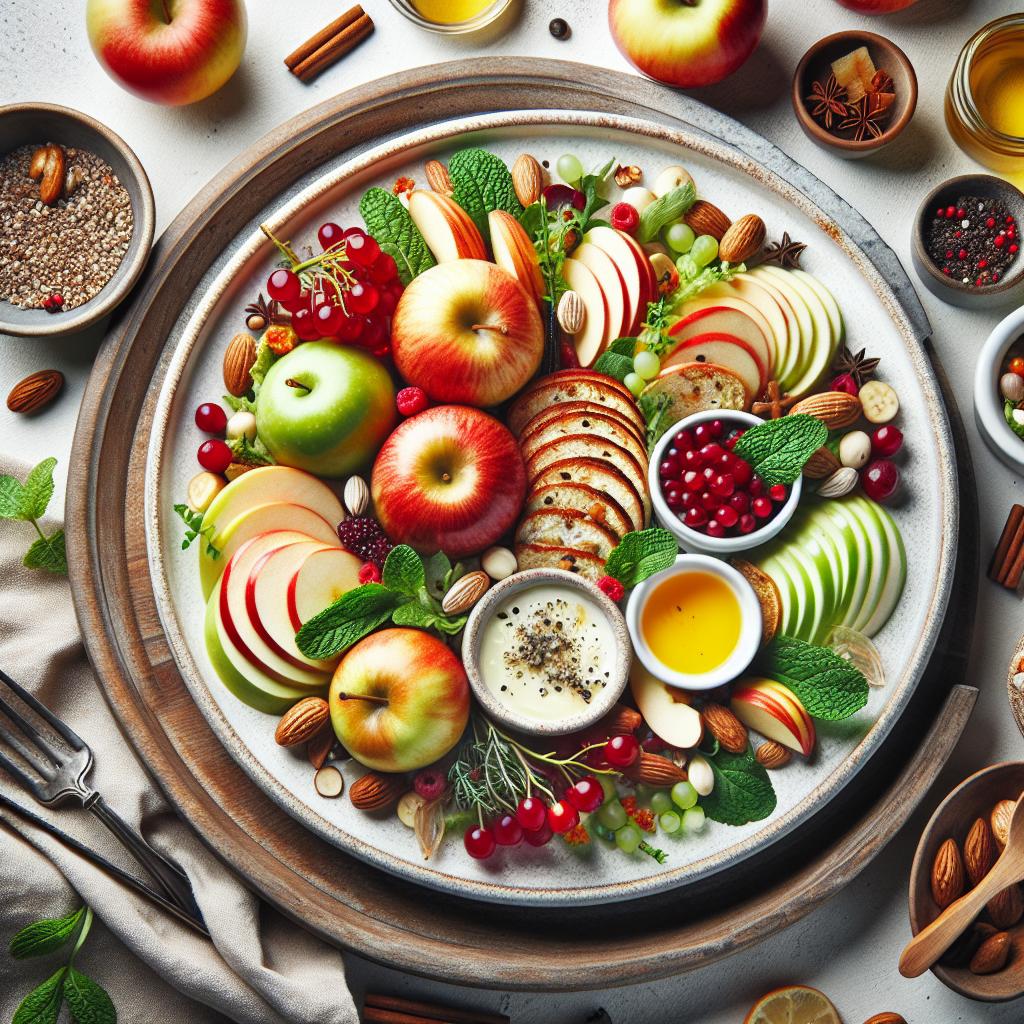
As the last golden leaves drift from the trees and autumn’s chill begins to nibble at the air, there’s a quiet magic in preserving the harvest’s bounty. Apples-those bright, juicy jewels of fall-hold a promise beyond their first bite. But how do we keep that promise intact, ensuring their crispness and vibrant flavor through the long winter months? In this article, we delve into timeless, tried-and-true methods for storing apples, blending age-old wisdom with practical know-how. Whether you’re a seasoned orchard keeper or a kitchen enthusiast, discover the art of holding onto autumn’s crunch, one perfectly preserved apple at a time.
Choosing the Ideal Apple Varieties for Long Term Storage
Keeping crisp: timeless methods to store apples for winter begin with selecting the perfect apple varieties. Some apples are naturally better suited to long-term storage, offering a firm texture and balanced sweetness that mature gracefully over months. Iconic heirlooms like Granny Smith, Honeycrisp, Fuji, and Rome Beauty dominate storage lists thanks to their dense flesh and robust skin, resisting shriveling and spoilage. When picking, choose apples that feel heavy for their size with taut, unblemished skin-ideal indicators that they’ll last through the colder months.
Mastering Temperature and Humidity for Optimal Crispness
Temperature and humidity control is crucial to maintain apple crunch and sweetness. Aim for a cool, steady temperature between 30°F and 35°F (-1°C to 2°C) to slow respiration rates and delay ripening. The ideal relative humidity hovers around 90-95%, which keeps the apples hydrated without encouraging mold growth. Avoid sudden temperature swings and direct sunlight, as these cause softening and infection risks.
Traditional Storage Techniques That Stand the Test of Time
Before modern refrigeration, simple, natural methods preserved apple freshness with remarkable effectiveness. Try storing apples in layers separated by straw or dry sawdust inside wooden crates; this not only cushions the fruit but also absorbs excess moisture. Root cellars, cool basements, or unheated garages with good ventilation provide the perfect environment. Another classic trick is wrapping each apple loosely in newspaper to trap ethylene gas separately, reducing premature spoiling.
Innovative Tips to Extend Freshness Without Refrigeration
For those without access to cold storage, creative options abound. Placing apples in sealed containers with a damp cloth can regulate micro-humidity. Try creating a homemade evaporative cooler using a clay pot and wet sand to keep temperatures cool naturally. For urban dwellers, storing apples in a cool corner of the pantry combined with regular inspection and removal of any softening fruit can extend freshness. Additionally, adding a pinch of food-grade diatomaceous earth to layers helps deter pests.
Prep and Cook Time
- Preparation: 15 minutes
- Storage Setup: 10 minutes
- Storage Duration: Up to 6 months (depending on method)
Yield
Storage capacity depends on container size; typically preserves approximately 20-40 medium apples per standard crate.
Difficulty Level
Medium – Requires basic knowledge of temperature and humidity control, plus attention to detail for best results.
Ingredients
- 20-40 crisp apples (Granny Smith, Honeycrisp, Fuji, or Rome varieties recommended)
- Straw or dry sawdust (enough to layer and cushion apples)
- Newspaper sheets (for wrapping individual apples)
- Damp cloths (optional, for humidity control)
- Food-grade diatomaceous earth (optional, for pest deterrence)
- Wooden crates or perforated boxes (for optimal airflow)
Instructions
- Sort the apples by size and check gently for bruises; discard any damaged fruit to avoid spoilage spreading.
- Wrap each apple loosely with newspaper to insulate and separate them, reducing ethylene gas contact.
- Prepare the storage crate by layering straw or dry sawdust at the bottom, about 2-3 inches thick, to cushion apples and absorb moisture.
- Place a single layer of wrapped apples atop the bedding, ensuring they do not touch each other directly.
- Repeat layering with more straw or sawdust between each apple layer until the crate is full, ending with a final straw layer on top.
- Store the crate in a cool, dark spot maintaining 30°F to 35°F with 90-95% humidity. Avoid exposure to sunlight or heat sources.
- Check stored apples weekly for any signs of swelling or spoilage, removing compromised fruit immediately.
- Optionally, sprinkle a thin layer of diatomaceous earth on straw or sawdust to reduce pest risks without contamination.
- Maintain consistent environment by monitoring temperature and humidity with simple analog gauges or smart sensors.
Chef’s Notes
- For small batches, airtight containers with humidity control packs can substitute traditional crates.
- Use breathable fabrics like burlap instead of newspaper for a more sustainable wrapping option.
- Avoid storing apples near onions or potatoes, which emit gases that accelerate spoilage.
- Before consumption, bring apples to room temperature to enhance their natural flavors and juiciness.
- Regular ventilation of storage areas minimizes mold and musty odors.
Serving Suggestions
Enjoy your perfectly stored apples fresh or use them as a star ingredient in autumnal dishes like spiced apple crisps, fresh apple salads, or warm apple cider. Garnish simple apple slices with a sprinkle of cinnamon and a drizzle of local honey for an inviting snack that showcases their unbeatable crispness. Pair with sharp cheddar cheese or smoky cured meats to elevate seasonal platters.
| Nutrient | Per Medium Apple (182g) |
|---|---|
| Calories | 95 |
| Protein | 0.5g |
| Carbohydrates | 25g |
| Fat | 0.3g |

For further reading on official apple storage guidelines, visit the U.S. Apple Association. For creative ways to use freshly stored apples, explore our Fall Harvest Apple Recipes collection.
Q&A
Q&A: Keeping Crisp – Timeless Methods to Store Apples for Winter
Q1: Why is it important to store apples properly for winter?
A: Apples are nature’s autumnal treasure, but without proper storage, their crispness and flavor fade as quickly as fall leaves. Keeping apples stored correctly preserves their texture, juiciness, and sweetness, allowing you to enjoy a taste of harvest well into the chilly months.
Q2: What is the ideal environment for storing apples to keep them crisp?
A: Apples prefer a cool, humid, and dark sanctuary – think of a root cellar or a cool basement. The ideal temperature hovers just above freezing, around 30-35°F (-1 to 2°C), with humidity levels between 85-90%. This environment slows down respiration and moisture loss, keeping apples fresh and crunchy.
Q3: Can all apple varieties be stored for winter, or do some keep better than others?
A: Not all apples are created equal in the storage department. Varieties like Granny Smith, Fuji, Honeycrisp, and Rome Beauty are known for their longevity, holding their crispness for months if stored correctly. Meanwhile, softer varieties like McIntosh are better enjoyed soon after harvest.
Q4: What are some traditional storage methods that stand the test of time?
A: One timeless technique involves layering apples in crates or wooden boxes lined with straw or shredded newspaper, keeping each fruit from touching to prevent bruising and decay. Placing the boxes in cool, humid places preserves the apples naturally-a method used by generations before the fridge was invented!
Q5: How can you tell if an apple is starting to spoil in storage?
A: Keep an eye out for soft spots, shriveled skin, or any sign of mold. Apples emit ethylene gas as they ripen, which can speed spoilage in nearby fruit. Removing any decaying apples promptly is key to protecting the rest.
Q6: Are there any creative tricks to prolong the shelf life of stored apples?
A: Absolutely! Wrapping each apple in tissue paper or even apple leaves can help shield them from moisture loss and ethylene buildup. Additionally, placing a damp cloth nearby can maintain humidity, and regularly rotating your apple stash ensures none get neglected.
Q7: Can you store apples alongside other fruits or vegetables in winter?
A: Apples are ethylene producers and can hasten the ripening of many fruits and veggies. It’s best to store them separately, except for hardy root vegetables like carrots or potatoes, which tolerate proximity well without spoiling prematurely.
Q8: How do you prepare apples for long-term storage right after picking?
A: Handle with care! Pick apples gently to avoid bruising, then clean off any dirt without washing (moisture encourages rot). Cure them by resting on a single layer in a cool, airy spot for a few days, letting their skins toughen for storage resilience.
Q9: What’s the best way to enjoy stored apples once winter arrives?
A: Pull them from their cozy winter hideaway and relish the crisp bite that proves patience and tradition pay off. Whether eaten fresh, sliced into salads, roasted alongside winter veggies, or simmered into warm cider, these apples bring a burst of autumn’s charm to the cold season.
Q10: Can modern refrigeration replace these timeless methods?
A: Refrigeration certainly helps, but it can’t replicate the perfectly balanced conditions of traditional storage. Combining modern tech with age-old wisdom offers the best of both worlds-keeping your apples crisp, flavorful, and ready to brighten winter days.
In Retrospect
As the crisp days of autumn give way to the quiet chill of winter, the joy of biting into a fresh, juicy apple becomes a treasured comfort. By honoring these timeless storage methods-be it the cool sanctuary of a root cellar, the gentle embrace of wrapped tissue paper, or the humble preservation in sand-you can extend the life of your harvest well beyond the season’s end. These age-old techniques remind us that sometimes, the simplest practices hold the greatest wisdom. So, as you prepare to tuck your apples away, remember: with care and patience, the taste of autumn can linger, crisp and bright, long into winter’s hush.