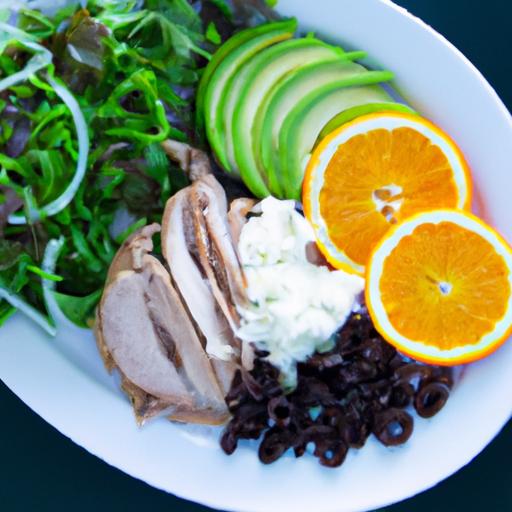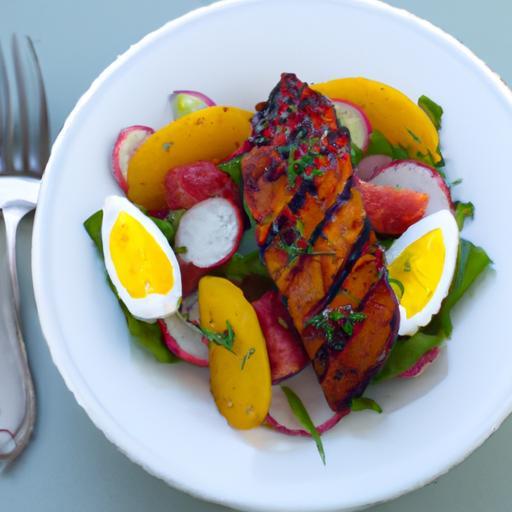

Beneath the surface of every energized step, every focused thought, and every beat of your heart lies a powerful trio working tirelessly to fuel your body’s engine: macronutrients. Like the unsung architects of vitality, carbohydrates, proteins, and fats weave together a symphony of energy and repair, transforming the food on your plate into the dynamic force that powers your every move. In this journey through “Macronutrients Uncovered: Fueling Your Body’s Powerhouse,” we will peel back the layers of these essential nutrients, revealing their unique roles and how they collaborate to keep you thriving. Prepare to unlock the secrets behind the fuel that keeps your body running at its best.
Macronutrients Uncovered: Fueling Your Body’s Powerhouse for Ultimate Energy
Macronutrients uncovered unlock the essential blueprint behind how your body transforms everyday meals into vibrant energy and sustained vitality. From the humble carbohydrate fueling your morning jog, to proteins repairing muscle after a workout, and fats that nourish your brain and hormones – understanding this trio is the key to optimized wellness and peak performance.
Prep and Cook Time
- Preparation: 15 minutes
- Cooking: 25 minutes
- Total Time: 40 minutes
Yield
Serves 4 hearty portions
Difficulty Level
Medium
Ingredients
- 1 cup quinoa, rinsed and drained
- 2 cups low-sodium vegetable broth
- 1 tbsp olive oil
- 1 small onion, finely chopped
- 3 cloves garlic, minced
- 1 medium sweet potato, peeled and diced into ½-inch cubes
- 1 red bell pepper, diced
- 1 cup cooked chickpeas (or 1 can, rinsed and drained)
- 2 cups baby spinach, roughly chopped
- ½ cup crumbled feta cheese (optional for added protein)
- 1 tsp ground cumin
- 1 tsp smoked paprika
- Salt and freshly cracked black pepper, to taste
- Fresh parsley for garnish
- Juice of ½ lemon
Instructions
- Cook the quinoa: In a medium saucepan, combine quinoa and vegetable broth. Bring to a boil, then reduce heat to low, cover, and simmer for 15 minutes or until liquid is absorbed and quinoa is fluffy. Remove from heat and fluff with a fork.
- Sauté aromatics and veggies: While quinoa cooks, heat olive oil in a large skillet over medium heat. Add chopped onion and garlic, sauté until translucent, about 4 minutes.
- Add sweet potatoes and bell pepper: Stir in diced sweet potato and red bell pepper. Sauté until tender and slightly caramelized, about 10 minutes, stirring frequently to prevent sticking.
- Season and combine: Sprinkle cumin, smoked paprika, salt, and pepper over the vegetables. Stir well to coat evenly.
- Incorporate chickpeas and spinach: Add chickpeas to the skillet and cook until warmed through, about 3 minutes. Toss in chopped spinach and stir until it wilts.
- Mix quinoa and veggies: Fold the cooked quinoa into the skillet, gently combining everything. Cook for an additional 2 minutes to marry flavors.
- Finish with lemon and feta: Remove from heat. Squeeze fresh lemon juice over the mixture and sprinkle crumbled feta if using.
Chef’s Notes: Tips for Success
- Make it vegan: Simply omit the feta or swap for a plant-based cheese alternative.
- Boost protein: Add grilled chicken breast or pan-seared tofu for extra muscle-fueling power.
- Make-ahead friendly: This dish stores well in the fridge for up to 3 days, perfect for meal prep.
- Texture tweak: For a crunch contrast, sprinkle toasted pumpkin seeds or walnuts before serving.
- Flavor variation: Swap cumin and smoked paprika with curry powder or za’atar to tailor the spice profile.
Serving Suggestions
Serve this colorful quinoa bowl warm, garnished with a generous handful of fresh parsley and a twist of lemon zest. Pair with a crisp mixed greens salad or roast vegetables for a nutrient-packed meal. A dollop of creamy hummus on the side adds a luscious texture and another layer of wholesome fats.

| Nutrient | Per Serving |
|---|---|
| Calories | 375 kcal |
| Protein | 14 g |
| Carbohydrates | 50 g |
| Fat | 10 g |
Discover more on optimizing your fuel intake and performance in this related article. For a deep dive into macronutrient science, visit The British Nutrition Foundation.
Q&A
Q&A: Macronutrients Uncovered: Fueling Your Body’s Powerhouse
Q1: What exactly are macronutrients, and why are they called the body’s powerhouse?
A1: Macronutrients are the major nutrients your body needs in large amounts to function efficiently and thrive. They include carbohydrates, proteins, and fats. Think of them as the fuel that powers a high-performance engine-your body. Without this essential fuel, your muscles, brain, and every organ would struggle to keep going, making macronutrients the true “powerhouse” drivers of vitality.
Q2: How do carbohydrates energize my body?
A2: Carbohydrates are your body’s preferred energy source, quickly broken down into glucose-the sugar your cells love to burn. When you eat carbs, it’s like loading premium gas into your tank, fueling everything from your morning jog to your mental focus during work. They’re especially crucial for high-intensity activities and brainpower, providing that swift, reliable energy hit.
Q3: Proteins-aren’t they just for bodybuilders and gym rats?
A3: Far from it! Proteins are the body’s master builders. They repair tissues, build muscles, produce enzymes and hormones, and even support immune function. Imagine proteins as the construction crew and repair team, constantly maintaining and upgrading your body’s infrastructure. Whether you’re an athlete, a dancer, or a desk warrior, proteins keep your system strong and resilient.
Q4: Fats get a bad rap-are they really healthy?
A4: Absolutely! Fats are often misunderstood but essential for life. They protect your organs like a cushioned shield, help absorb fat-soluble vitamins (A, D, E, and K), and provide a long-lasting energy reserve. Plus, certain fats-like omega-3s-support brain health and reduce inflammation, making fats a smart, vital ingredient in your body’s powerhouse recipe.
Q5: Can I survive without any of these macronutrients?
A5: In the short term, maybe-but not without consequences in the long run. Each macronutrient plays a unique role: removing one disrupts your body’s harmony and efficiency. For example, cutting carbs can zap your energy; skipping protein impairs healing and growth; avoiding fats could interfere with hormone balance and brain function. Balance is key to keeping your metabolic powerhouse humming.
Q6: How do I find the right balance of macronutrients for me?
A6: There’s no one-size-fits-all formula-your ideal macronutrient mix depends on your age, activity level, health goals, and lifestyle. Some thrive on higher carbs, others on more protein or fats. Experimentation, mindful eating, and possibly guidance from a nutrition professional can help you tailor your blend to fuel your unique powerhouse.
Q7: What’s the takeaway about macronutrients?
A7: Think of your body as a finely tuned engine needing the right mix of fuel to perform at its best. Carbs, proteins, and fats each bring distinct and indispensable powers to the table. Embracing all three in a balanced, thoughtful way ensures you’re not just surviving but thriving-powered, vibrant, and ready for life’s adventures.
The Conclusion
As we unravel the vibrant tapestry of macronutrients-carbohydrates, proteins, and fats-we begin to see our bodies not just as vessels, but as intricate powerhouses fueled by these essential elements. Understanding how each macronutrient works in harmony transforms the way we approach nutrition, turning every meal into a strategic act of self-care and energy renewal. So next time you sit down to eat, remember: you’re not just feeding hunger-you’re fueling the extraordinary engine that carries you through every adventure, every challenge, and every moment in between. Embrace the balance, honor your body’s needs, and watch your personal powerhouse thrive.