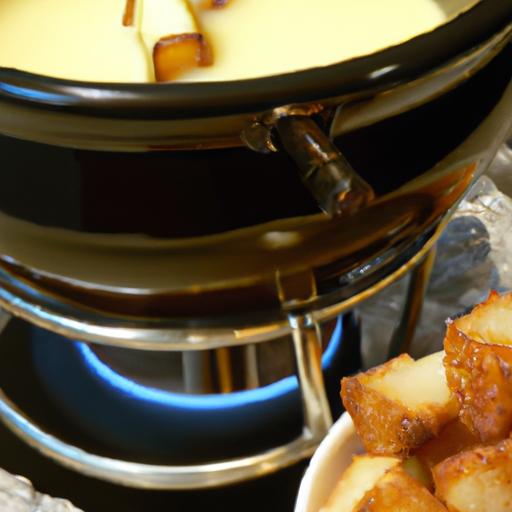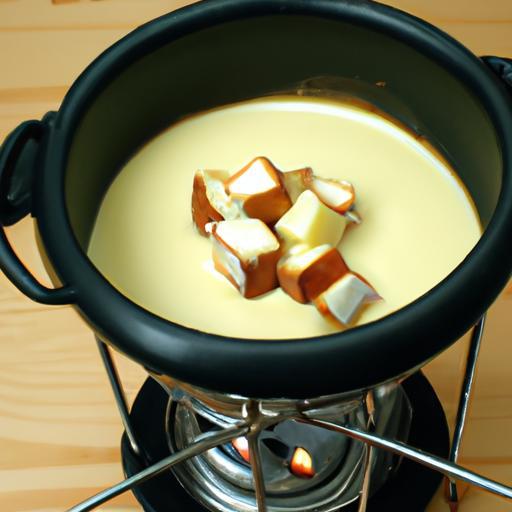

In the heart of alpine tradition, where snow-capped peaks meet cozy wooden chalets, a bubbling pot of golden goodness has been warming souls for centuries. Swiss cheese fondue is more than just a dish-it’s a molten symphony of history, culture, and comfort that invites friends and family to gather around, dip in, and savor each sticky, savory bite. From its humble origins in the Swiss countryside to its rise as an iconic culinary experience worldwide, fondue is a delicious melting pot of classic charm and timeless appeal. Join us as we explore the rich history behind this beloved dish and uncover the secrets that make Swiss cheese fondue a true treasure of the Alpine table.
Melting History: The Classic Charm of Swiss Cheese Fondue
Melting history unfolds in every bubbling pot of Swiss cheese fondue, a dish that captures the heart and hearth of Alpine tradition. This beloved comfort food originated centuries ago as a clever way to utilize aged cheese and crusty bread during long winters, evolving into a celebrated symbol of convivial dining and rich flavor combinations. Drawing you in with its velvety texture and harmonious blend of cheeses, Swiss cheese fondue invites both novice cooks and seasoned gourmands to partake in its warm, gooey embrace. Let’s explore how to create this classic dish that honors its heritage while embracing modern culinary creativity.
Prep and Cook Time
- Preparation: 15 minutes
- Cooking: 15 minutes
- Total Time: 30 minutes
Yield
- Serves 4-6 generously
Difficulty Level
- Medium – perfect for kitchen enthusiasts ready to impress
Ingredients
- 200g Emmental cheese, shredded
- 200g Gruyère cheese, shredded
- 1 cup (240ml) dry white wine (such as Swiss Chasselas or Sauvignon Blanc)
- 1 tablespoon lemon juice
- 2 teaspoons cornstarch
- 2 cloves garlic, halved
- 1 tablespoon kirsch (cherry brandy), optional for depth
- Freshly ground black pepper, to taste
- Freshly grated nutmeg, a pinch
- Assorted dippers: cubed crusty bread, blanched vegetables, apple slices, or cooked baby potatoes
Instructions
- Prepare the pot: Rub the inside of a fondue pot or heavy-bottomed saucepan with the cut sides of the garlic halves. This infuses a subtle aromatic base.
- Heat the wine: Pour the dry white wine and lemon juice into the pot and warm over medium heat until just simmering, not boiling.
- Blend the cheese: Gradually add the shredded cheeses in batches, stirring constantly with a wooden spoon in a figure-eight motion to encourage smooth melting and prevent clumping.
- Bind with cornstarch: In a small bowl, mix cornstarch with kirsch until smooth. Stir this slurry into the melted cheese mixture. Continue to cook gently until the fondue thickens to a luscious, creamy consistency.
- Season and serve: Add freshly ground black pepper and a pinch of nutmeg, adjusting seasoning to taste. Transfer the pot to a low heat source or candle warmer to keep warm during serving.
- Dip and enjoy: Spear your choice of dippers and swirl in the molten cheese, savoring each bite of this timeless Swiss classic.
Chef’s Notes
- Cheese variety: The heart of authentic flavor lies in the delicate balance between Emmental’s nuttiness and Gruyère’s richness. For a twist, experiment with adding Vacherin Fribourg or a mild Raclette.
- Wine alternatives: Use a dry white vermouth if you prefer a slightly herbal undertone.
- Preventing separation: Maintain gentle heat and constant stirring; overheating causes the cheese to separate.
- Vegetarian option: Skip the kirsch or substitute with vegetable broth for flavor depth.
- Make ahead: Shred the cheeses and prepare the cornstarch slurry in advance to streamline cooking.
Serving Suggestions
- Present fondue accompanied by an enticing board of fresh bread cubes, steamed broccoli, crisp apple wedges, and boiled new potatoes for variety.
- Include a sprinkle of finely chopped fresh parsley or chives on top for color and freshness.
- Offer small bowls of coarse mustard, pickled cornichons, and pearl onions to contrast the creamy cheese.
- For drinks, serve a glass of the same dry white wine used in the fondue or try a light, effervescent Swiss beer to cleanse the palate.

Traditional Techniques and Modern Twists in Fondue Preparation
Mastering Swiss cheese fondue means understanding the delicate dance between technique and flavor. Traditionally, the slow melting of cheese over low heat prevents graininess and promotes a glossy, elastic texture. Modern interpretations often add creative herbs, spices, or unexpected cheeses to suit contemporary palates without losing the dish’s soul. For an ultra-smooth texture, some chefs recommend warming the cheese with a splash of cream or blending in finely grated Parmesan. Embrace experimentation but always honor the foundation of Melting History: The Classic Charm of Swiss Cheese Fondue by respecting balance and patience.
Choosing the Perfect Cheese Blend for Authentic Flavor
The secret to iconic Swiss cheese fondue lies in the blend. Emmental and Gruyère are non-negotiable pillars – Emmental delivers mild nuttiness and melting ease while Gruyère imbues earthy complexity and bite. Sourcing high-quality, authentic Swiss cheeses ensures the depth and authenticity of flavor. Avoid processed or pre-shredded cheeses as they often contain stabilizers that affect meltability and texture. When in doubt, ask you local cheesemonger to recommend traditionally aged wheels or artisan blends that capture the Alpine terroir vividly.
Pairing Suggestions to Elevate Your Fondue Experience
Elevate your fondue party with drink and side pairings that complement the rich, creamy cheese. Crunchy vegetables like blanched carrots, celery, and cauliflower offer refreshing contrast while the sweetness of crisp apples or grapes provides a palate-cleansing counterpoint. For beverages, a mineral-driven white wine such as Chasselas or a dry Riesling complements the acidity and cheese richness beautifully. For more on perfect pairings, explore our article on Perfect Wine and Cheese Pairings. For a deeper cultural dive, visit SwissInfo: The Tradition of Cheese Fondue.
| Nutrient | Per Serving (approx.) |
|---|---|
| Calories | 480 kcal |
| Protein | 20 g |
| Carbohydrates | 18 g |
| Fat | 36 g |
Q&A
Q&A: Melting History – The Classic Charm of Swiss Cheese Fondue
Q1: What is Swiss cheese fondue, and why is it so iconic?
A1: Swiss cheese fondue is a traditional dish originating from Switzerland, made by melting a blend of Swiss cheeses with white wine and a hint of garlic, creating a luscious, velvety pot of molten delight. Its iconic status stems from its communal nature-fondue is not just a meal, but an experience that brings people together around a bubbling caquelon (fondue pot), dipping bread and other morsels into the warm, gooey mixture. It’s a symbol of coziness, conviviality, and Alpine heritage.
Q2: How did fondue become a Swiss national treasure?
A2: Fondue’s rise to fame began in rural Switzerland as a practical way to use up hardened cheese and stale bread during the harsh winters. The melting pot was a clever, economical dish for mountain villagers. By the 20th century, thanks to tourism and Swiss promotional campaigns, fondue transcended its humble origins to become a cherished national dish and international ambassador of Swiss culinary tradition.
Q3: What cheeses are traditionally used in Swiss fondue, and why?
A3: The classic Swiss fondue blend usually features Gruyère and Emmental cheeses. Gruyère adds a robust, slightly nutty flavor with excellent melting qualities, while Emmental provides a mild, buttery balance that smooths the mixture. These cheeses melt beautifully to create the signature creamy texture without separating or becoming greasy, essential for that perfect fondue flow.
Q4: What makes the preparation of fondue a culinary art?
A4: Fondue demands attention to detail, balancing temperatures and ingredient ratios to achieve a flawless melt. Wine adds acidity that helps stabilize the cheese, while a touch of cornstarch prevents curdling. Stirring with a wooden spatula in slow, deliberate motions releases the cheeses’ flavors and keeps the mixture silky. The ritual of dipping bread or vegetables also adds a tactile, interactive layer to the dining experience.
Q5: How has Swiss cheese fondue influenced global culinary culture?
A5: Fondue’s interactive dining concept inspired countless adaptations worldwide-from chocolate and meat fondues to contemporary cheese blends featuring local, artisanal varieties. It fostered the idea of shareable, communal meals that break down barriers and encourage socializing. Fondue restaurants and events continue to celebrate the dish’s heritage, while chefs creatively reinterpret it to suit modern palates and dietary preferences.
Q6: Can fondue be enjoyed outside winter and Swiss mountains?
A6: Absolutely! While fondue evokes images of snowy peaks and crackling fires, it’s a versatile dish for any season or setting. Fondue parties are perfect for cozy gatherings year-round, and lighter variations with fresh herbs or summer vegetables make it a delightful warm-weather treat. The charm of dipping rich cheese into crusty bread transcends climate-the magic lies in melting history and savoring shared moments.
Swiss cheese fondue is more than melted cheese; it’s a cultural melt-a blend of heritage, flavor, and connection-that continues to warm hearts and palates worldwide.
Closing Remarks
As the last savory swirl of melted Swiss cheese coats your fork and the lingering aroma of garlic and wine fills the air, it’s clear that fondue is more than just a dish-it’s a delicious bridge to the past. This timeless classic, steeped in the snowy Swiss Alps and warmed by cozy communal tables, invites us to slow down and savor not just the flavors, but the stories and traditions melting together in every pot. Whether enjoyed in a bustling chalet or recreated in your own kitchen, Swiss cheese fondue remains a rich, comforting celebration of history and hospitality-proving that sometimes, the simplest ingredients can tell the most flavorful tales. So next time you gather with friends, let the fondue pot be your portal to a heritage of taste, togetherness, and timeless charm.