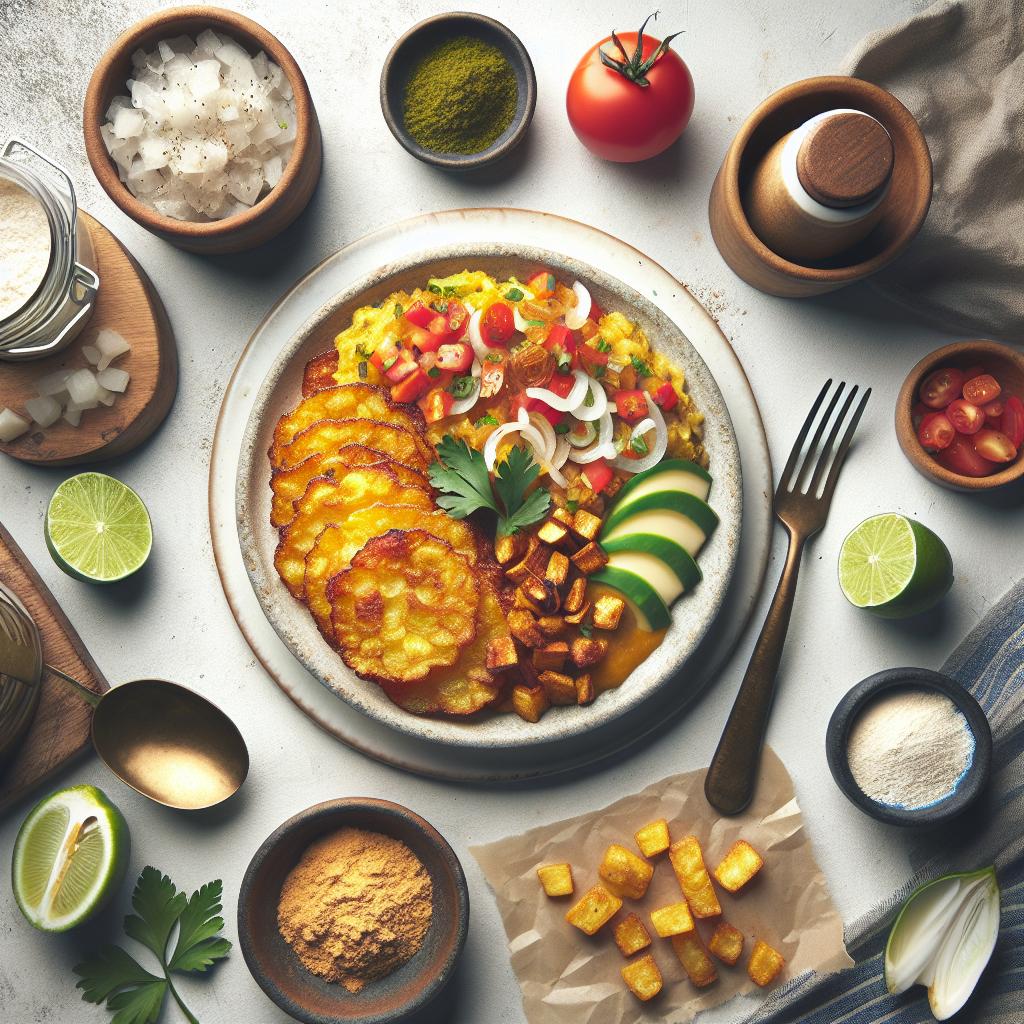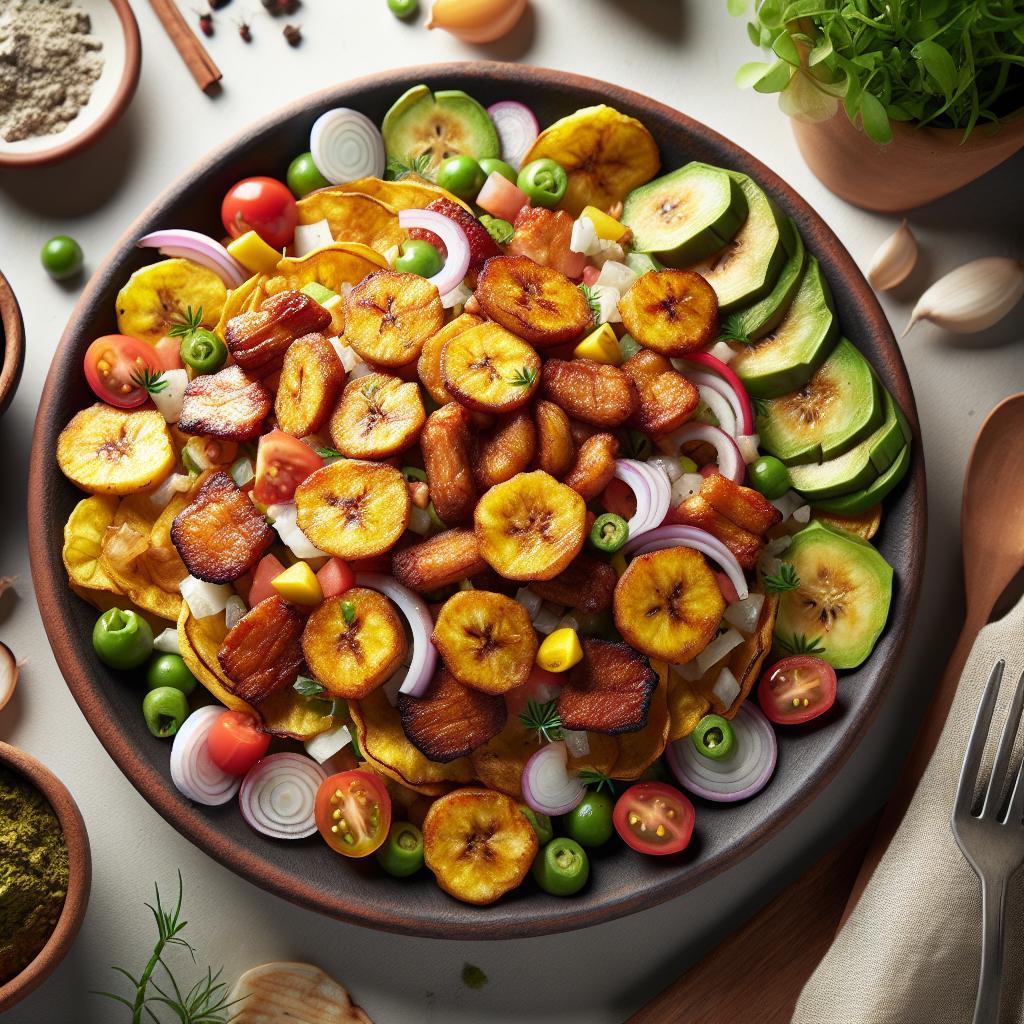

Beneath the lush canopies of tropical landscapes and bustling street markets, a golden treasure awaits the curious palate-the humble patacón. These twice-fried slices of green plantain, known by many names across Latin America, are more than just a side dish; they are a crispy celebration of culture, history, and culinary artistry. In “Patacones Uncovered: The Crispy Secrets of Plantain Plates,” we embark on a flavorful journey to unravel the techniques, traditions, and tantalizing textures that make patacones a beloved staple from coast to coast. Prepare to crunch into the crispy secrets behind this iconic plantain plate and discover why its irresistible charm continues to captivate food lovers worldwide.
Exploring the Origins and Cultural Significance of Patacones
Patacones Uncovered: The Crispy Secrets of Plantain Plates reveals the rich heritage behind these beloved fried plantains. Originating in the Caribbean and Latin America, patacones are more than just a snack-they embody tradition and communal joy. In places like Colombia, Ecuador, and Panama, patacones are a staple, often served alongside hearty meals or enjoyed as street food. Their cultural significance lies in their humble ingredients transformed by skill and care into a crispy delight that brings families and friends together around the table.
I remember my first bite of patacones during a bustling family gathering in Cartagena, where golden discs, crunchy and warm, accompanied every dish. These simple plantains echoed stories of generations, blending indigenous roots with African and Spanish influences. Understanding their background enriches every bite, making each patacone a tasty time capsule steeped in history.
Mastering the Art of Perfectly Crispy Plantains Every Time
Achieving the signature crunch of patacones demands attention to detail, a pinch of technique, and the right ingredients. Start with green, unripe plantains, as their starchy texture crisps beautifully without becoming too sweet or mushy. The frying process is a two-step affair: initially frying the plantain slices until just tender, then flattening them before returning to the hot oil for a golden, crisp finish.
Temperature control is crucial; maintain your oil between 350°F and 375°F (175°C to 190°C) to avoid greasy or burnt edges. Pressing the slices gently but firmly helps achieve that perfect thinness, maximizing crunch. A splash of sea salt immediately after frying enhances the flavor, making your patacones irresistibly savory.
Prep and Cook Time
- Preparation: 10 minutes
- Cooking: 15 minutes
- Total Time: 25 minutes
Yield
Serves 4 as a side or snack
Difficulty Level
Easy – Perfect for beginners and seasoned cooks alike
Essential Tools and Ingredients for Authentic Patacones
- 4 green plantains (approximately 1.5 lbs), peeled
- Vegetable oil or peanut oil, for frying (about 4 cups)
- Salt, to taste
- Small bowl of water (optional, to reduce stickiness when pressing)
- Heavy flat surface or plantain press (can use a tortilla press or a heavy pan)
- Slotted spoon
- Paper towels, for draining excess oil
Instructions
- Prep the Plantains: Using a sharp knife, cut off both ends of each plantain. Make a longitudinal slit through the skin without slicing the flesh, then peel off the thick peel carefully. Slice the peeled plantains crosswise into 1-inch thick rounds.
- Heat the Oil: Pour oil into a deep skillet or heavy-bottomed pot to a depth of about 1.5 inches. Heat oil to 350°F (175°C). Use a thermometer for precision.
- First Fry: Carefully add plantain rounds to the hot oil in batches, avoiding overcrowding. Fry until they soften and slightly golden, about 3-4 minutes per side. Remove with a slotted spoon, drain on paper towels.
- Flatten the Plantains: Allow the fried rounds to cool slightly. Using a plantain press, tortilla press, or the bottom of a flat pan, gently press each round until it’s about 1/4 inch thick. Dip the pressing tool in water beforehand to prevent sticking.
- Second Fry: Return the flattened slices to the hot oil. Fry until crispy and golden brown, about 2-3 minutes per side. Remove and drain on fresh paper towels immediately.
- Season: Sprinkle sea salt over the hot patacones for perfect seasoning. Serve immediately for the best crunch.
Tips for Success
- Choose Unripe Plantains: Green, firm plantains yield the best texture. Ripe ones will be too soft and sweet.
- Maintain Oil Temperature: Keep the oil hot to avoid greasy patacones. Use a thermometer or test with a small piece of plantain-if it sizzles immediately, it’s ready.
- Press Evenly: Ensure uniform thickness when flattening for even frying and crispiness.
- Use Neutral Oil: Peanut or vegetable oil works best due to their high smoke points and neutral flavors.
- Make-Ahead: Patacones are best served fresh but can be kept warm in a low oven (200°F/95°C) on a wire rack to stay crisp.
Creative Serving Ideas to Elevate Your Patacones Experience
Patacones are an ideal canvas for both traditional and inventive toppings. Try smothering them with creamy guacamole and a sprinkle of queso fresco for a Mexican flair. For something heartier, layer with shredded slow-cooked beef, black beans, and a dollop of sour cream-invoking a Colombian bandeja paisa twist.
For a fresh touch, top with a bright mango salsa or pickled red onions. Sprinkle chopped fresh herbs like cilantro or parsley to elevate the aroma and presentation. Patacones also shine as dippers for zesty sauces like ají or garlic mojo. Their crunchy texture complements soft, vibrant accompaniments, turning a simple dish into a feast.
| Nutritional Information (per serving) | Amount |
|---|---|
| Calories | 220 kcal |
| Protein | 1.5 g |
| Carbohydrates | 28 g |
| Fat | 12 g |
For a deeper dive into traditional Caribbean sides that complement these crispy delights, check out our Caribbean Side Dishes Guide. To explore the botanical history of plantains, the Encyclopaedia Britannica offers an authoritative resource.

Q&A
Q&A: Patacones Uncovered – The Crispy Secrets of Plantain Plates
Q1: What exactly are patacones?
A1: Patacones are twice-fried green plantain slices that transform into crispy, golden discs of savory delight. Popular across Latin America and the Caribbean, these crunchy treats serve as sides, snacks, or even the foundation for creative toppings.
Q2: Why use green plantains and not ripe ones?
A2: Green plantains are starchy and less sweet, making them perfect for creating a firm, crisp texture when fried. Ripe plantains, in contrast, are soft and sweet, better suited for desserts or different styles of cooking.
Q3: How do patacones get that signature crunch?
A3: The secret lies in their double-fry method. First, plantain slices are fried until tender, then smashed flat, and fried again until golden and crispy. This double cooking creates a satisfyingly crunchy exterior paired with a soft, pillowy interior.
Q4: Are patacones gluten-free and vegan?
A4: Absolutely! Since the main ingredients are just green plantains, oil, and salt, patacones are naturally gluten-free and vegan-friendly, making them a versatile choice for many diets.
Q5: What are some classic ways to enjoy patacones?
A5: Traditionally, they’re eaten with dips like guacamole, hogao (a Colombian tomato and onion sauce), or simply salted. Patacones also serve as a base for savory toppings such as shredded beef, beans, cheese, or fresh salsa, turning them into hearty mini-meals.
Q6: Can you spice them up with flavors?
A6: Definitely! Before the second fry, patacones can be sprinkled with garlic powder, chili flakes, or herbs. After frying, a drizzle of lime or a smear of spicy aioli adds layers of zesty flavors that create an irresistible snack.
Q7: What sets patacones apart from similar snacks like tostones or plantain chips?
A7: While terms sometimes overlap regionally, patacones and tostones are essentially similar: twice-fried green plantains. Plantain chips, however, are usually thinly sliced and fried once, making them crunchier and more brittle than the chunkier, more substantial patacones.
Q8: Any tips for perfect patacones at home?
A8: Choose firm, unripe green plantains with tight skin. Slice evenly about ½ inch thick. Don’t skip the smashing step-it’s key for that perfect texture. Use neutral oil with a high smoke point, like peanut or canola oil, and keep an eye on frying times to prevent burning.
Unlocking the crispy secrets of patacones reveals not just a recipe, but a tradition of flavor and texture that invites endless creativity at the plate. Ready to crunch into this golden treasure?
The Way Forward
As the last golden patacón crunches between your fingers, you begin to understand that these humble slices are more than just a snack-they are crispy ambassadors of culture, tradition, and culinary ingenuity. Behind each perfectly fried plantain lies a story of technique, patience, and an unyielding quest for that ideal crunch. Whether enjoyed plain, as a vibrant base for toppings, or nestled alongside hearty meals, patacones invite you to savor the simple joy of texture and flavor. So next time you encounter this beloved Latin American staple, remember: there’s a crispy secret waiting to be uncovered with every bite.