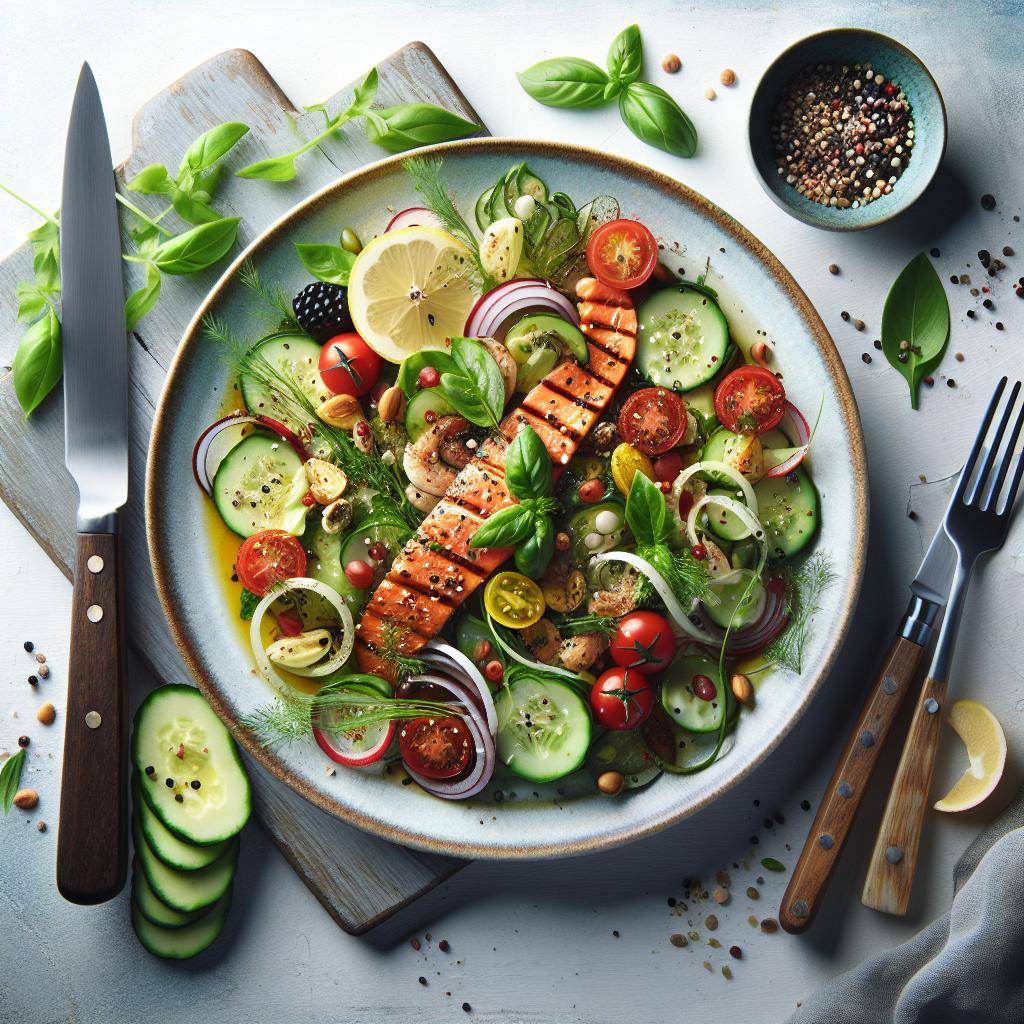
In the heart of every well-equipped kitchen lies a secret weapon: the knife. But even the sharpest blade dulls with time, turning culinary artistry into frustrating effort. Fear not, for reviving your knives is simpler than you think. Welcome to “Revive Your Blades: A Beginner’s Guide to Sharpening Knives,” where we’ll transform dull edges into razor-sharp tools, ready to slice, dice, and carve with effortless precision. Whether you’re a novice cook or a seasoned enthusiast, this guide will sharpen not just your blades, but your skills-and your confidence in the kitchen. Let’s get cutting!
Revive Your Blades starts with understanding how to select the perfect sharpening tools tailored to your knife’s unique blade type. Whether you cherish a sleek Japanese Santoku or a robust German chef’s knife, mastering the nuances of sharpening techniques unlocks precision, edge retention, and safety for every cut you make. With decades of culinary artistry behind me, I’ve discovered the right tools and methods transform dull blades into razor-sharp kitchen allies, revitalizing both your knives and your cooking joy.
Prep and Cook Time
- Preparation: 5 minutes
- Sharpening Process: 15-20 minutes per knife
- Total Time: 20-25 minutes
Yield
- 1 perfectly sharpened knife
- Extends knife lifespan by years
Difficulty Level
- Beginner to Intermediate
Ingredients (Tools & Materials)
- Sharpening Stone Set: Coarse (200-400 grit), Medium (800-1000 grit), Fine (3000-8000 grit)
- Honing Rod: Ceramic or Steel (depending on your knife type)
- Leather Strop: For final polish and edge refinement
- Water or Honing Oil: As recommended based on your stone type
- Non-slip Mat: To secure stones during use
- Protective Gloves: Cut-resistant for safe handling
Instructions
- Prepare your sharpening station. Lay your sharpening stone on a damp non-slip mat to ensure stability throughout the process.
- Soak or lubricate your stone. If using water stones, soak them for 10-15 minutes until air bubbles stop rising. For oil stones, apply a thin, even layer of honing oil.
- Determine the correct edge angle. Most kitchen knives sharpen best between 15° to 20°. Use a guide or your steady hand to maintain consistency throughout.
- Start with the coarse grit stone. Holding the knife firmly, slide the blade across the stone with an even, sweeping motion away from the cutting edge. Repeat 10-15 strokes per side, flipping carefully to sharpen both edges evenly.
- Progress to medium grit. This step refines the edge by smoothing out imperfections. Use 12-15 strokes per side, maintaining the same angle and pressure.
- Finish with the fine grit stone. Polish the blade by gently sliding the edge to remove any burrs, typically 10 strokes per side are sufficient.
- Use the honing rod. Hold the rod vertically and draw the knife down each side at the sharpening angle to realign the blade’s edge, about 4-5 passes per side.
- Polish on the leather strop. Finalize the edge by dragging the blade away from the cutting edge, removing microscopic burrs and achieving a razor finish.
- Clean and dry your knife thoroughly. Wipe the blade carefully to remove any metal particles or lubricant residue.
Tips for Success
- Use light, even pressure to avoid gouging your blade or the stone surface.
- Regular sharpening beats sharpening only when dull-this keeps your knives in peak cutting condition.
- Always sharpen with the same angle on both sides for a balanced, long-lasting edge.
- Invest in a quality sharpening stone set-their efficiency and durability significantly impact your results.
- For serrated blades or specialty knives, consult manufacturer recommendations or professional sharpening services.
- Protect your hands with cut-resistant gloves for added safety during the process.
Serving Suggestions
Celebrate your freshly sharpened knife by preparing a vibrant, freshly diced salsa or slicing through a crusty baguette for an effortless charcuterie board. A razor-sharp blade elevates precision tasks like julienning vegetables, carving meats, or finely chopping herbs-turn everyday cooking routines into a sensory experience filled with confidence and joy. Garnish your kitchen workspace with a clean, well-maintained cutting board and keep your knife rack organized to showcase your revitalized tools proudly.

| Sharpening Stage | Grit Range | Purpose |
|---|---|---|
| Coarse | 200 – 400 | Repairs chips, re-shapes blade |
| Medium | 800 – 1000 | Refines edge, smooths surface |
| Fine | 3000 – 8000 | Polishes and hones razor edge |
For another expert resource on caring for culinary tools, check out our Ultimate Guide to Maintaining Cutting Boards. Also, visit Serious Eats’ Knife Sharpening Guide for an authoritative external perspective.
Q&A
Q&A: Revive Your Blades – A Beginner’s Guide to Sharpening Knives
Q1: Why should I bother sharpening my knives at home?
A1: Think of your knives as trusted companions in the kitchen. A sharp blade not only boosts your cooking efficiency but also keeps you safer-dull knives require more force, increasing the chance of slips and accidents. Sharpening at home saves money, extends the life of your blades, and turns knife maintenance into a satisfying ritual.
Q2: What’s the difference between sharpening and honing?
A2: Imagine your knife’s edge is a tiny mountain range. Honing is like brushing the peaks to straighten them-it realigns the edge without removing much metal. Sharpening, in contrast, is like trimming the mountains down to make new, sharp peaks. Sharpening removes material to recreate the edge, while honing maintains it.
Q3: Which sharpening tools are best for beginners?
A3: For a newbie explorer in the world of knives, whetstones (water stones) and guided sharpening systems are the trusty maps. Whetstones offer precision and control with a bit of practice, while guided systems provide stability and ease. Avoid cheap pull-through sharpeners initially-they can do more harm than good.
Q4: How do I know when my knife needs sharpening?
A4: Simple tests reveal your blade’s mood: try slicing through a tomato or paper. If the blade struggles or crushes instead of slicing cleanly, it’s time to sharpen. A dull knife feels less smooth, and your cutting takes more effort-a clear invitation to revive those edges.
Q5: Can I sharpen any kind of kitchen knife the same way?
A5: Not quite. Western-style knives typically have a 20-degree edge and respond well to most sharpening methods. Japanese knives often have sharper angles (15 degrees or less) and need gentler techniques. Knowing your knife’s style ensures you preserve its unique personality.
Q6: What’s the basic process of sharpening on a whetstone?
A6: Start by soaking your whetstone in water for about 10-15 minutes. Place the coarse grit side up and hold the knife at the correct angle (usually 15-20 degrees). Glide the blade gently across the stone, working from heel to tip in smooth strokes, alternating sides evenly. After coarse sharpening, flip to the fine grit to polish the edge until it gleams.
Q7: How often should I sharpen versus hone my knives?
A7: Hone your knives regularly-think of it as tuning your guitar before each song; a quick 2-3 strokes before or after cooking keeps edges aligned. Sharpen your knives when honing no longer fixes the dullness, typically every few months depending on use.
Q8: Any tips for staying safe while sharpening?
A8: Absolutely! Keep your workspace stable and well-lit. Keep your fingers clear of the blade path, move slowly and with intention, and always test your blade safely-avoid cutting towards yourself. With practice, sharpening becomes second nature and safe as pie.
Q9: What if I mess up while sharpening?
A9: Don’t fret-the beauty of sharpening is that edges can often be restored. If you make uneven strokes or change the angle slightly, switch to a finer grit to smooth things out. Consistency grows with time, so embrace the learning curve.
Q10: Can sharpening make my knives last forever?
A10: While sharpening dramatically extends their life, knives will eventually wear down with years of use. However, regular maintenance turns kitchen knives from disposable tools into heirlooms you can pass down, keeping their edge-and your cooking-alive for generations.
Key Takeaways
In the end, mastering the art of sharpening transforms your knives from dull tools into precision instruments, ready to tackle any kitchen challenge with ease. With a little practice and the right technique, you’ll breathe new life into your blades, making every slice smoother and every cut safer. Remember, a sharp knife is not just a culinary asset-it’s a vital ingredient in your cooking journey. So go ahead, revive those blades, and watch your kitchen confidence soar!