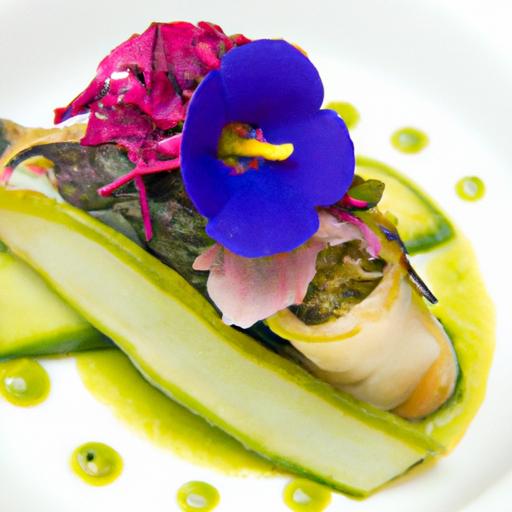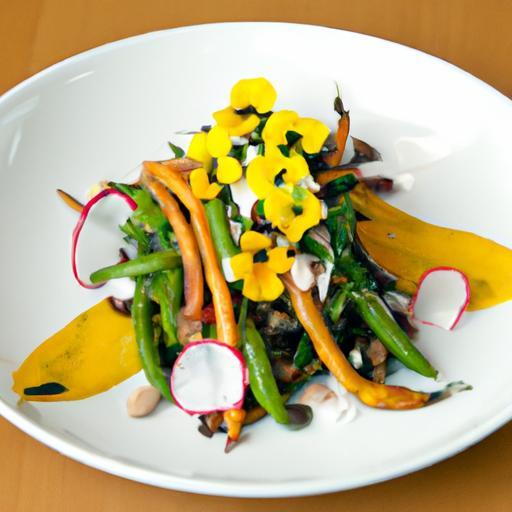

Imagine a kitchen where nothing goes to waste, where every leaf, stem, and root transforms into a burst of flavor and nourishment. Root-to-stem cooking is more than just a culinary technique; it’s a philosophy that celebrates the entire plant, inviting us to rediscover the hidden magic packed in parts we often overlook. By embracing this holistic approach, chefs and home cooks alike unlock layers of taste and texture that deepen our connection to food-and to the earth itself. Join us as we delve into the art of root-to-stem cooking, where every scrap has a story, and every bite is a celebration of whole-plant goodness.
Root-to-Stem Cooking: Unlocking Whole-Plant Flavor Magic with Rustic Carrot Top Pesto and Crispy Beet Greens Chips
Root-to-stem cooking unlocks the flavor magic hidden in every part of your vegetables, transforming what’s often discarded into vibrant, delicious dishes. Imagine turning bitter carrot tops into a zesty pesto that bursts with freshness, or crisping up beet greens for a snack that’s both nutritious and addictive. This recipe celebrates whole-plant cooking mastery, showcasing sustainable kitchen hacks and creative techniques that maximize texture and taste-from roots to leaves.
Prep and Cook Time
- Preparation: 15 minutes
- Cooking: 10 minutes
- Total: 25 minutes
Yield
Serves 4 as an appetizer or snack
Difficulty Level
Easy to Medium
Ingredients
- 1 cup carrot tops, thoroughly washed and coarsely chopped
- ½ cup toasted walnuts or pine nuts
- 2 garlic cloves, minced
- ½ cup grated Parmesan cheese
- ⅔ cup extra virgin olive oil
- Salt and freshly ground black pepper, to taste
- 1 bunch beet greens, thick stems removed
- 1 tablespoon olive oil (for chips)
- Lemon zest, for garnish
Instructions
- Prepare the carrot top pesto: In a food processor, combine carrot tops, toasted walnuts, and minced garlic. Pulse until roughly chopped, scraping down the sides as needed.
- Add grated Parmesan cheese, then slowly drizzle in olive oil while pulsing until the mixture forms a vibrant, thick pesto. Season with salt and pepper to taste. Pro tip: For a dairy-free version, substitute Parmesan with nutritional yeast.
- Make the crispy beet greens chips: Preheat your oven to 300°F (150°C). Rinse and pat dry beet greens thoroughly to ensure crispiness.
- Toss beet greens lightly with olive oil and a pinch of salt. Lay them in a single layer on a parchment-lined baking sheet.
- Bake for 8-10 minutes, watching closely to prevent burning. The greens should become tender-crisp and slightly browned on the edges. Remove chips as they crisp to avoid bitterness.
- Assembly: Serve the carrot top pesto in a small bowl surrounded by crispy beet greens chips. Garnish with a sprinkle of fresh lemon zest for a bright aromatic lift.
Tips for Success
- Save your veggie scraps: Use stems and tougher leaves in homemade broths to minimize waste.
- Flavor boost: Add a squeeze of lemon juice or a pinch of red pepper flakes to the pesto for an extra zing.
- Storage: Pesto keeps in an airtight container in the fridge up to 4 days. Drizzle with olive oil on top to preserve freshness.
- Crispy chips caution: Make sure beet greens are fully dried before baking; moisture leads to soggy, limp chips.
- Experiment: This pesto works superbly on toasted bread, tossed with pasta, or dolloped on roasted vegetables.
Serving Suggestions
This combination is perfect for a sustainable, plant-based appetizer. Serve the crispy beet greens chips alongside the carrot top pesto as a dip, or spread the pesto over crostini topped with a thin slice of radish for a festive crunch. Pair with a chilled glass of dry white wine or sparkling water with lemon for a refreshing contrast. Garnish your platter with edible flowers or thinly sliced radishes to add a pop of color and elevate your presentation.

Nutritional Information per Serving
| Calories | Protein | Carbs | Fat |
|---|---|---|---|
| 180 kcal | 5 g | 6 g | 16 g |
For more ways to transform vegetable scraps into delicious meals, explore our Whole Plant Kitchen Tips. To deepen your understanding of sustainable cooking practices, visit the U.S. Environmental Protection Agency’s guide on reducing food waste.
Q&A
Q&A: Root-to-Stem Cooking – Unlocking Whole-Plant Flavor Magic
Q1: What exactly is root-to-stem cooking?
A1: Root-to-stem cooking is a culinary philosophy that celebrates the entire plant-from its underground roots to its leafy stems and everything in between. Instead of discarding parts like stems, leaves, and peels, this method transforms often-overlooked bits into delicious, nutrient-packed dishes, maximizing flavor and minimizing waste.
Q2: Why should home cooks embrace root-to-stem cooking?
A2: Beyond reducing food waste and stretching your grocery budget, root-to-stem cooking unlocks a depth of flavor you might never have expected. Those carrot tops, broccoli stalks, and beet greens hold unique textures and tastes-earthy, sweet, or peppery-that add complexity and vibrancy to your meals. Plus, it’s a creative challenge that connects you more deeply with your ingredients.
Q3: Are all parts of a plant edible and safe to cook with?
A3: Many parts are edible, but not all. Generally, leaves, stems, roots, and seeds can be eaten if identified correctly. Always check for any natural toxins or inedible portions-like potato greens or rhubarb leaves, which can be harmful. When in doubt, consult reliable sources or cookbooks dedicated to whole-plant cooking.
Q4: How do you prepare less familiar parts like stems or roots?
A4: Preparation depends on the vegetable. Stems can often be peeled and sliced, then sautéed, steamed, or added to soups. Roots typically need thorough washing and peeling to remove dirt and tough outer layers, then can be roasted, boiled, or grated raw into salads. Experimentation is key: try pureeing stems into pesto or blending wilted greens into smoothies.
Q5: Can root-to-stem cooking fit into a busy lifestyle?
A5: Absolutely! It’s about reimagining what you already have. Keep a stash of veggie scraps in your freezer for stocks, finely chop stems for quick stir-fries, or whip leftover greens into dips. Small, intentional steps can elevate your cooking without adding time-or stress-to your routine.
Q6: How does root-to-stem cooking impact sustainability?
A6: By using entire plants, you reduce food waste significantly. This approach values every bite, lowering the environmental footprint tied to discarded produce. It helps conserve resources, supports sustainable eating habits, and encourages mindful consumption-a small but mighty contribution to a healthier planet.
Q7: What’s a simple starter recipe for someone new to root-to-stem cooking?
A7: Try a quick broccoli stem slaw! Peel the tough outer layer of the stems, then shred them finely. Toss with a tangy lemon vinaigrette, add chopped herbs, a sprinkle of seeds or nuts for crunch, and voilà-a vibrant, crunchy side dish. It’s a brilliant way to transform a part of the plant you’d usually toss.
Q8: Where can I learn more about root-to-stem cooking?
A8: Dive into cookbooks like “Root to Stem” by Steven Satterfield or explore blogs and videos dedicated to zero-waste cooking. Farmers’ markets and community gardens are great places to ask questions and discover seasonal produce in its entirety. The more you explore, the more you’ll uncover the magic locked in every part of the plant!
Root-to-stem cooking isn’t just a trend-it’s a celebration of the plant’s full potential, an invitation to innovate in the kitchen, and a tasty way to tread lightly on the Earth. Ready to unlock some flavor magic? Your next meal awaits-in every leaf, stem, and root!
In Retrospect
As the last leaf is sautéed and the final peel is transformed, root-to-stem cooking invites us into a world where no part of the plant goes unnoticed or underappreciated. This philosophy not only celebrates sustainability but also unlocks a symphony of flavors waiting patiently within every root, stalk, and leaf. Embracing whole-plant cooking means rediscovering ingredients in their entirety-each texture, color, and note contributing to a richer, more vibrant culinary experience. So next time you reach for a carrot or a bunch of kale, remember: the true magic lies not just in what’s on your plate, but in how thoughtfully every part is honored. Root-to-stem cooking isn’t just a trend-it’s a delicious revolution, inviting us all to savor the fullness of nature’s bounty while reducing waste and awakening our palates to new possibilities.