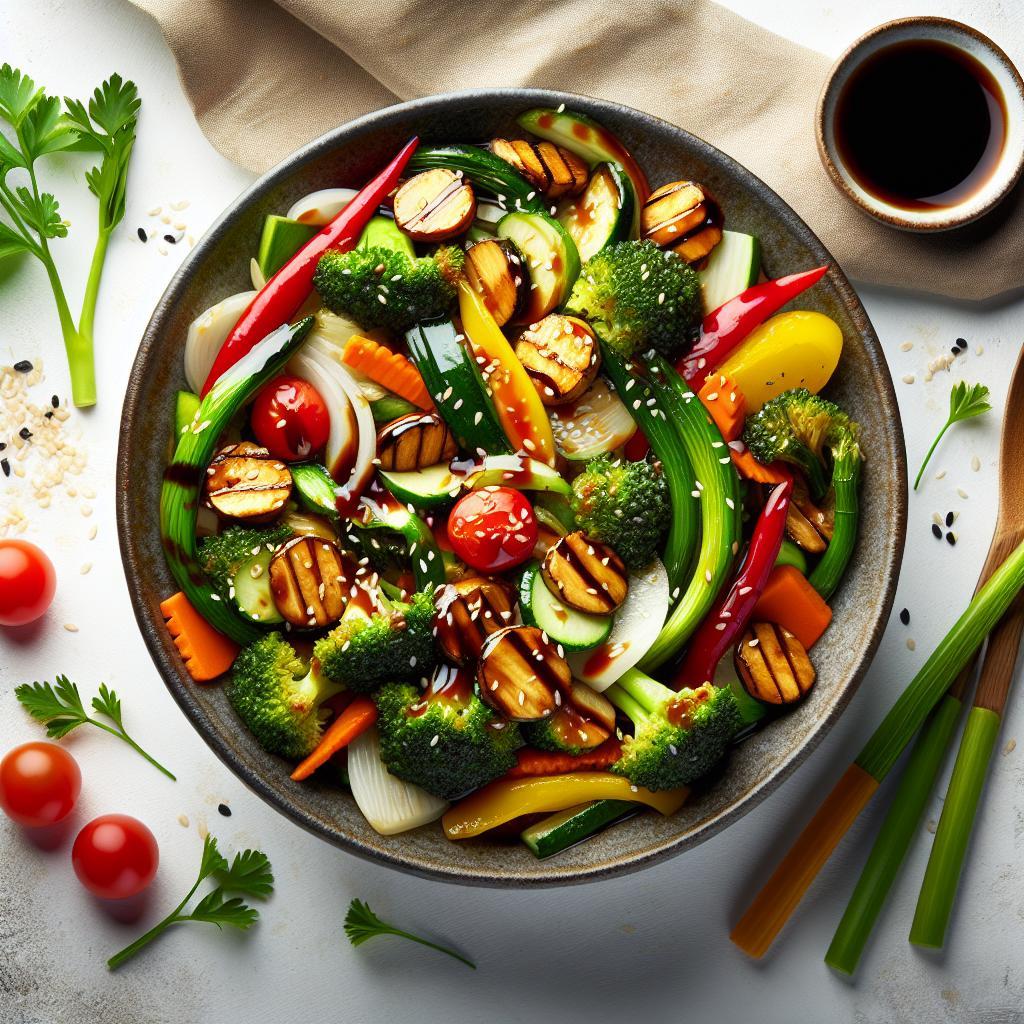

Step into a vibrant world where bold colors and rich aromas come together in perfect harmony-welcome to the art of vegetable teriyaki. This isn’t just another recipe; it’s a celebration of nature’s bounty transformed by the sweet, savory kiss of teriyaki sauce. From the crisp crunch of bell peppers to the tender bite of shiitake mushrooms, each vegetable plays a starring role in a dish that’s as visually stunning as it is delicious. Whether you’re a seasoned home cook or a curious foodie, our colorful guide invites you to savor the flavor and discover how simple ingredients can create a dazzling symphony of taste and texture. Get ready to embark on a culinary journey that’s wholesome, vibrant, and irresistibly satisfying.
Savor the Flavor by immersing yourself in the exquisite dance of sweet and savory notes that teriyaki sauce brings to a colorful medley of vegetables. Originating from Japan, teriyaki is renowned for its glossy finish and perfect balance of soy sauce, mirin, and sugar. This versatile glaze transforms humble veggies into a luscious, tender feast, elevating simple ingredients into an unforgettable culinary experience. Imagine vibrant bell peppers, tender snap peas, and earthy shiitake mushrooms, all kissed by that irresistible caramelized sheen-each bite a celebration of texture and taste.
Prep and Cook Time
- Preparation: 15 minutes
- Cooking: 12 minutes
- Total Time: 27 minutes
Yield
Serves 4 generous portions
Difficulty Level
Easy – Ideal for weeknight dinners and culinary beginners seeking vibrant flavors in a flash.
Ingredients
- 2 tbsp sesame oil
- 1 cup broccoli florets, trimmed
- 1 cup sliced red and yellow bell peppers
- 1 cup shiitake mushrooms, stems removed and sliced
- 1 cup snap peas, ends trimmed
- 1 medium carrot, julienned
- 2 cloves garlic, minced
- 1 tsp grated fresh ginger
- 1/2 cup teriyaki sauce (store-bought or homemade*)
- 2 tbsp toasted sesame seeds
- 2 green onions, thinly sliced for garnish
- Optional: cooked steamed rice or quinoa for serving
Instructions
- Heat the sesame oil in a large non-stick skillet or wok over medium-high heat, swirling to coat evenly.
- Add the garlic and ginger, sautéing for about 30 seconds until fragrant-do not let them burn to maintain their fresh, zesty aroma.
- Incorporate the broccoli, carrots, and snap peas, stirring consistently for 4 minutes until they begin to soften with a slight crunch, preserving vibrant color and nutrients.
- Add the bell peppers and shiitake mushrooms, continuing to stir-fry for another 3 minutes until mushrooms release their moisture and veggies become tender-crisp.
- Pour in the teriyaki sauce, tossing vigorously to coat all vegetables in the luscious glaze. Cook 2-3 minutes more, allowing the sauce to thicken and develop a shiny, sticky finish.
- Remove from heat and sprinkle toasted sesame seeds evenly over the vegetables for a delightful nutty crunch.
- Garnish with sliced green onions and serve immediately atop a bed of steamed rice or quinoa, letting the savory-sweet teriyaki brilliance shine.
Tips for Success
- Vegetable Variety: Feel free to swap or add other vegetables like bok choy, zucchini, or baby corn for extra layers of texture and flavor.
- Managing Moisture: Avoid overcrowding the pan to ensure your veggies crisp up rather than steam-work in batches if necessary.
- Homemade Teriyaki Sauce: For a fresh touch, whisk together this simple teriyaki sauce recipe with soy sauce, mirin, sake (optional), sugar, and ginger.
- Make-Ahead: Prepare vegetables ahead and toss in the sauce right before serving to keep them vibrant and tender.
- For Extra Shine: Add a teaspoon of honey or maple syrup into the glaze to amplify the sweet undertone and encourage delicious caramelization.
Creative Serving Suggestions to Enhance Your Teriyaki Experience
For a feast that dazzles the eyes and palate, plate your teriyaki vegetables over fluffy jasmine rice or nutty quinoa. Garnish with a sprinkle of toasted sesame seeds and fresh cilantro leaves for a pop of color. For added depth, accompany your dish with a side of pickled ginger or a small bowl of miso soup. Wrap the glazed vegetables in crisp lettuce leaves or warm flatbreads for an inventive handheld option. Finish with a drizzle of toasted sesame oil to heighten aroma and flavor just before serving.
| Nutrition per serving | Amount |
|---|---|
| Calories | 180 kcal |
| Protein | 5 g |
| Carbohydrates | 25 g |
| Fat | 7 g |

For more vibrant vegetable recipes that complement your teriyaki dishes, explore our Colorful Veggie Stir Fry Recipes collection and dive deeper into the art of cooking with fresh produce.
Q&A
Q: What makes vegetable teriyaki a colorful and flavorful dish?
A: Vegetable teriyaki bursts with color and flavor by combining a vibrant array of fresh vegetables-think crisp red bell peppers, bright green broccoli, orange carrots, and deep purple eggplants-with a glossy, sweet-savory teriyaki glaze. This medley not only delights the eyes but also offers a harmonious balance of textures and tastes.
Q: How do you create the perfect teriyaki sauce for vegetables?
A: The secret to a perfect teriyaki sauce lies in the blend of soy sauce, mirin (sweet rice water), a touch of brown sugar or honey, and fresh grated ginger and garlic. Simmering these ingredients together until slightly thickened creates a luscious sauce that clings beautifully to the veggies.
Q: Which vegetables work best for teriyaki dishes?
A: Opt for vegetables that have a natural crunch and can hold up to stirring and glazing. Favorites include broccoli florets, snap peas, bell peppers (red, yellow, orange), carrots, mushrooms, zucchini, and baby corn. These not only absorb the sauce well but also add appealing color contrasts.
Q: What cooking techniques bring out the best in the vegetables for teriyaki?
A: Stir-frying and roasting are top choices. Stir-frying allows vegetables to stay crisp and vibrant while evenly coating them with the teriyaki sauce. Roasting deepens their natural sweetness and caramelizes edges, adding a smoky dimension that complements the sauce’s rich notes.
Q: How can I keep my vegetable teriyaki healthy without sacrificing flavor?
A: Use minimal oil when stir-frying and boost flavor with fresh herbs like chopped scallions or toasted sesame seeds on top. Incorporating nutrient-rich greens like kale or bok choy adds vitality without overpowering the umami-packed sauce.
Q: Can vegetable teriyaki be customized for different dietary needs?
A: Absolutely! This dish is naturally versatile. Use tamari instead of soy sauce for a gluten-free option, or experiment with alternative sweeteners like maple syrup or coconut sugar for a unique twist. The foundation of fresh vegetables and teriyaki sauce is adaptable to many preferences.
Q: What are some creative serving ideas for vegetable teriyaki?
A: Serve this colorful creation over a bed of steamed jasmine or brown rice for a wholesome meal. For lighter fare, try rolling the veggies in rice paper wraps or spooning them over quinoa or soba noodles. Garnish with sesame seeds and sliced green onions to add a final flourish.
Q: Why is vegetable teriyaki a great option for both beginners and seasoned cooks?
A: The straightforward method-cook, glaze, and serve-makes it perfect for kitchen novices, while the freedom to play with vegetable choices and sauce tweaks keeps it exciting for culinary pros. It’s a delicious entry point into Asian-inspired cooking that invites creativity.
In Conclusion
As the final glaze settles on your vegetable teriyaki masterpiece, remember that this dish is more than just a meal-it’s a vibrant celebration of nature’s freshest colors and boldest flavors. From crisp bell peppers to tender snap peas, each ingredient brings its own unique note to the symphony of sweet, savory, and umami. Whether you’re a seasoned chef or a curious foodie, this colorful guide invites you to savor the art of balance, texture, and zest in every bite. So next time you crave something both healthy and satisfying, let your plate burst with color and your taste buds dance in delight-because with vegetable teriyaki, flavor truly knows no bounds.