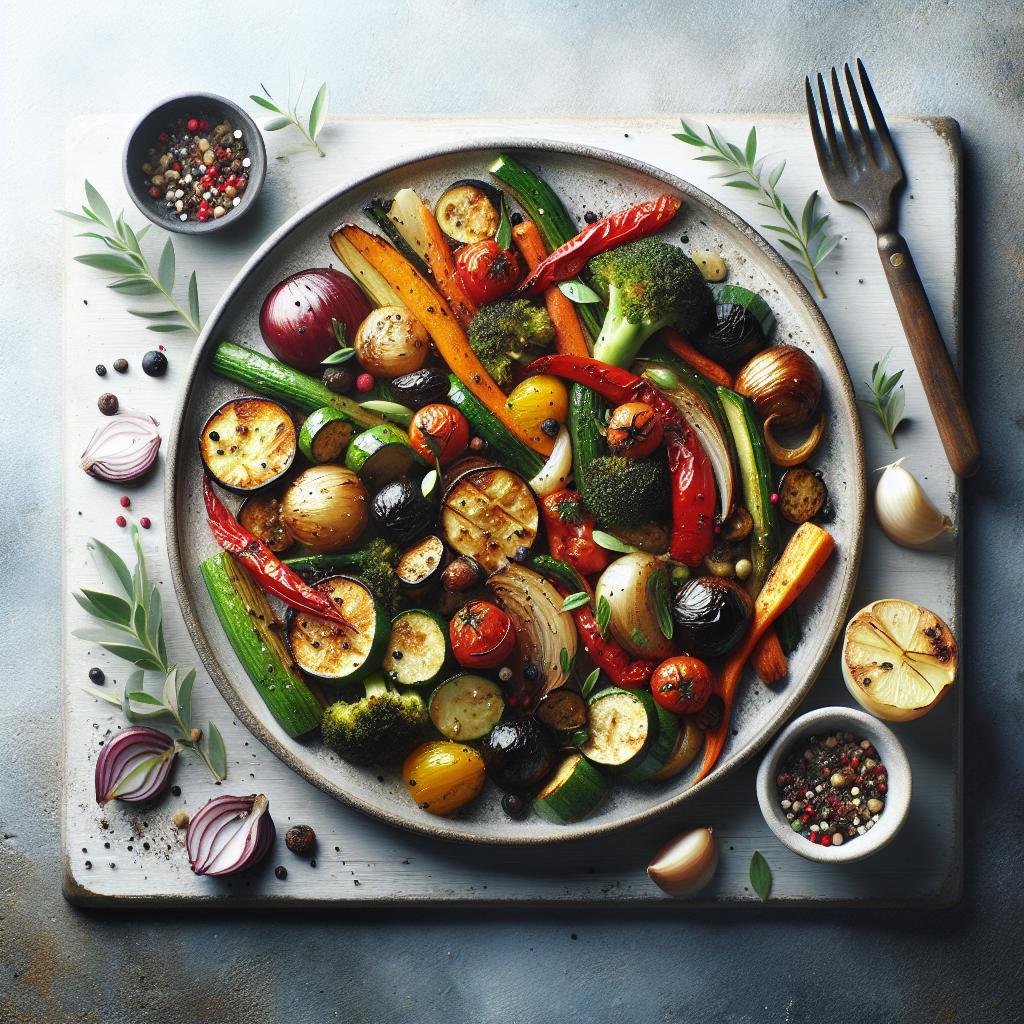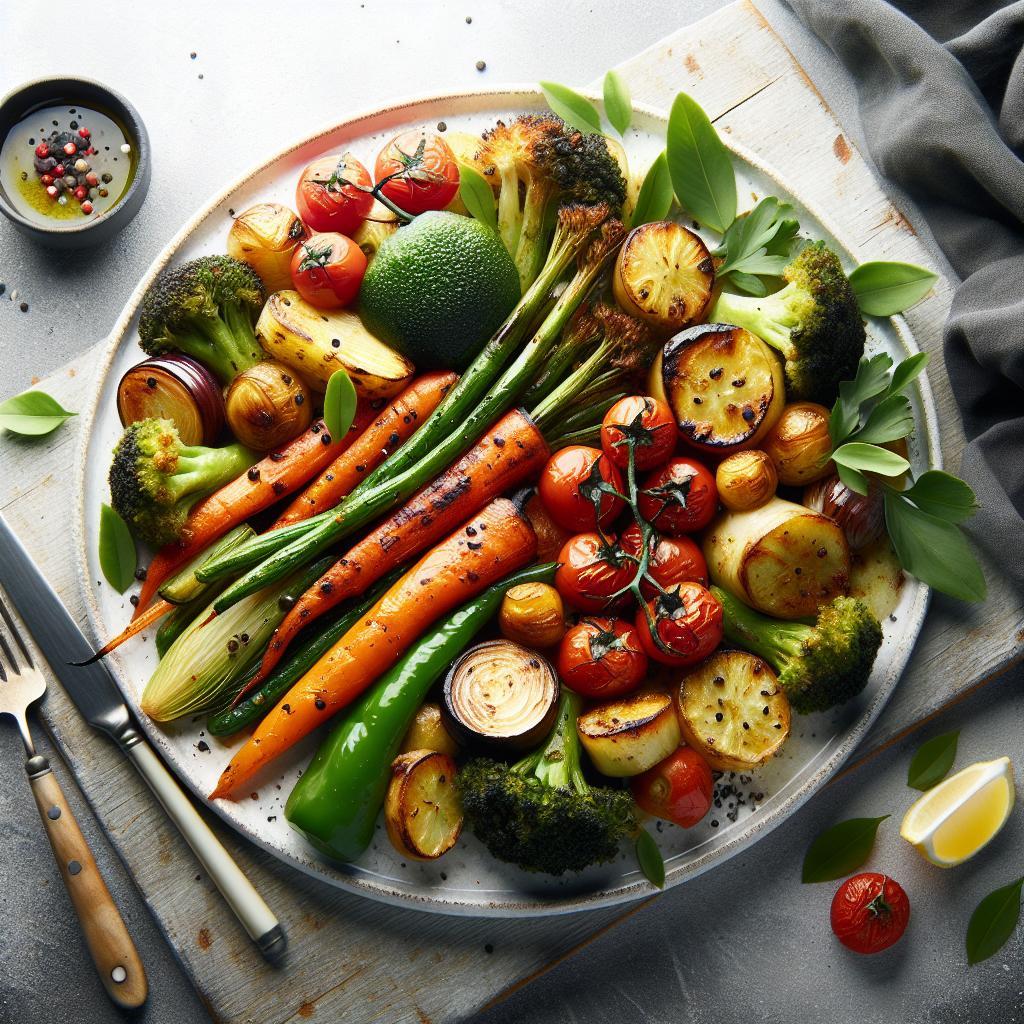

There’s something truly magical about the humble vegetable when it meets the open heat of an oven. Roasting transforms ordinary roots, greens, and bulbs into caramelized, tender masterpieces that sing with layers of flavor. “Savor the Flavor: The Art of Perfect Vegetable Roasts” invites you on a culinary journey where patience and technique unlock the full potential of nature’s bounty. From the crackling edges to the rich, golden centers, roasting vegetables isn’t just cooking-it’s an art form that celebrates simplicity, enhances natural sweetness, and elevates everyday ingredients into unforgettable dishes. Whether you’re a seasoned cook or a curious kitchen novice, this guide will teach you how to coax out the best in every vegetable, turning your roasting tray into a canvas of vibrant taste and texture.
Unlocking the Secrets of Spice Blends and Marinades to Elevate Your Roast
Savor the Flavor: The Art of Perfect Vegetable Roasts starts with the thoughtful selection of vibrant, seasonal vegetables that promise an explosion of natural taste. By incorporating expertly crafted spice blends and marinades, you can transform humble veggies into the centerpiece of any meal. This guide will walk you through selecting ideal produce, blending spices with intention, achieving that coveted crisp-tender texture, and presenting your creation like a gourmet chef.
Prep and Cook Time
- Preparation: 20 minutes
- Roasting Time: 35-45 minutes
- Total Time: 1 hour
Yield
Serves 4 as a hearty side dish or 2-3 as a main course
Difficulty Level
Easy to Medium – Perfect for home cooks seeking elevated results
Ingredients
- 2 cups butternut squash, peeled and cubed
- 1 large red bell pepper, sliced into thick strips
- 1 cup Brussels sprouts, halved
- 1 medium red onion, quartered
- 2 tablespoons extra virgin olive oil
- 1 teaspoon smoked paprika
- 1 teaspoon ground cumin
- ½ teaspoon ground coriander
- 1 teaspoon garlic powder
- ½ teaspoon turmeric powder
- Salt and freshly ground black pepper, to taste
- 1 tablespoon fresh lemon juice
- 2 tablespoons chopped fresh parsley or cilantro, for garnish
Instructions
- Preheat your oven to 425°F (220°C), ensuring the heat is intense enough to create those golden edges.
- Prepare the vegetables: Wash and cut all vegetables into similar-sized pieces to ensure even roasting. Pat them dry to avoid steaming.
- In a large mixing bowl, combine olive oil with all the spices: smoked paprika, cumin, coriander, garlic powder, turmeric, salt and pepper. Stir until blended into an aromatic marinade.
- Toss the vegetables in the marinade, using your hands or a spoon to coat each piece thoroughly. This deep infusion is key to unlocking bold flavors.
- Arrange the vegetables on a lined baking sheet in a single layer, giving each piece enough space for maximum crisping rather than steaming.
- Roast them in the preheated oven for 35 to 45 minutes, turning halfway through. Look for a rich golden brown color with hints of caramelization-the hallmark of perfect roasting.
- Once tender and crisp, remove from the oven and drizzle with fresh lemon juice to brighten and enhance the flavors.
- Garnish with chopped parsley or cilantro before serving for a fresh, vibrant finish.
Tips for Success
- Seasonal Selection: Choose vegetables at their peak ripeness and freshness. Root vegetables like carrots and parsnips also excel with this method, adding natural sweetness.
- Spice Flexibility: Experiment with spices such as cumin and coriander or swap turmeric for curry powder for intriguing variations.
- Achieving the Crispy Exterior: Avoid overcrowding the pan; otherwise, moisture will trap steam and soften the edges.
- Marinade Time: For deeper flavor, marinate your veggies for 30 minutes to an hour before roasting.
- Healthy Twist: Use avocado or walnut oil as alternatives to olive oil to increase smoke point in hotter ovens.
Creative Serving Suggestions to Transform Roasted Vegetables into Gourmet Meals
Elevate your vegetable roasts beyond a side dish by serving them over a bed of fluffy herb-infused quinoa. Top with toasted pine nuts for crunch and a dollop of creamy tahini sauce for richness. For a Mediterranean touch, add crumbled feta cheese and a sprinkle of sumac. These colorful, textured layers turn a simple roast into a celebration of flavor and style.
For a heartier plate, pair the roasted vegetables alongside a fragrant lentil stew or creamy polenta. A light drizzle of balsamic glaze over the veggies just before serving introduces a tangy contrast that enlivens the taste buds and creates a visual feast. Fresh microgreens or edible flowers bring an element of elegance, perfect for entertaining or a special family dinner.
| Nutrient | Per Serving |
|---|---|
| Calories | 180 kcal |
| Protein | 4 g |
| Carbohydrates | 28 g |
| Fat | 7 g |
For more tips on roasting vegetables with exquisite flavor, visit the Bon Appétit guide on roasting. Dive deeper into spice pairings for vegetable dishes in our Ultimate Guide to Spices article to broaden your culinary horizons.

Q&A
Q&A: Savor the Flavor: The Art of Perfect Vegetable Roasts
Q1: What makes roasting vegetables a unique cooking method compared to boiling or steaming?
A1: Roasting vegetables caramelizes their natural sugars, creating a deep, complex flavor and a delightful crispy texture that boiling or steaming simply can’t replicate. The dry heat draws out moisture while intensifying their inherent sweetness, resulting in tender interiors with tantalizingly crisp edges.
Q2: Which vegetables are best suited for roasting, and why?
A2: Root vegetables like carrots, sweet potatoes, and beets, as well as cruciferous veggies such as cauliflower and Brussels sprouts, excel at roasting because their dense structure holds up well to high heat. These vegetables develop beautiful caramelization, adding layers of taste and satisfying textures.
Q3: How does the choice of oil impact the flavor and texture of roasted vegetables?
A3: The oil acts as a flavor carrier and helps create that coveted golden crust. Oils with higher smoke points-such as olive oil, avocado oil, or grapeseed oil-are perfect because they withstand roasting temperatures without burning. Plus, each oil imparts a subtle, complementary flavor that enhances the overall taste profile.
Q4: What role do herbs and spices play in mastering the art of vegetable roasting?
A4: Herbs and spices transform simple roasted veggies into a symphony of flavors. Fresh rosemary or thyme adds earthiness, smoked paprika delivers a subtle fire, and a sprinkle of cumin lends warmth. The key is to balance seasoning so it amplifies but never overpowers the veg’s natural essence.
Q5: How important is the roasting temperature and timing in achieving the perfect roast?
A5: Temperature and timing are the heartbeats of perfect roasting. Typically, roasting at 400°F to 425°F strikes the balance between crisping and tenderizing, while cooking times vary based on vegetable size and moisture content. Keeping an eye on your veggies and turning them midway ensures even browning and prevents charring.
Q6: Can you share a creative tip to elevate simple vegetable roasts?
A6: Absolutely! Try tossing your roasted vegetables with a splash of citrus juice and zest, like lemon or orange, immediately after baking. This brightens the dish with acidity and freshness, cutting through the richness and adding a zesty vibrancy that dances on the palate.
Q7: How can one accommodate different textures in a mixed vegetable roast?
A7: For a harmonious mix, group vegetables by similar roasting times or cut them into pieces that match their cooking speed. For example, denser root veggies may need longer than delicate leafy greens or zucchini. Adding tender vegetables later in the roasting process ensures everything finishes perfectly without mushiness.
Q8: What are some unexpected flavor boosters that can be added to vegetable roasts?
A8: Ingredients like toasted nuts or seeds add crunch and nuttiness; a drizzle of tahini or nut butter can introduce creaminess and depth; and a sprinkle of nutritional yeast lends an umami punch. Don’t shy away from sweet hints like a dash of maple syrup or balsamic glaze-it’s all about building layers of taste.
Q9: How can left-over roasted vegetables be reinvented?
A9: Leftovers transform beautifully into new creations! Use them as toppings for grain bowls or flatbreads, blitz them into hearty soups or spreads, or fold them into frittatas and omelets. Roasting intensifies flavors, making leftovers a flavorful shortcut for quick meals.
Q10: What mindset or approach best complements the art of perfect vegetable roasting?
A10: Embrace curiosity and patience. Every vegetable variety offers a new experiment in flavor, texture, and seasoning. Roasting invites a playful approach-adjust temperatures, timing, and toppings with mindful observation, and soon you’ll discover your signature roast that’s both satisfying and soulful.
The Way Forward
As the kitchen fills with the irresistible aroma of caramelized edges and tender hearts, it’s clear that roasting vegetables is more than a cooking method-it’s an art form. By mastering the balance of heat, seasoning, and timing, you unlock layers of flavor that transform humble produce into a feast for the senses. So next time you gather around the table, let your vegetable roast be the star that celebrates nature’s bounty in its simplest, most delicious form. After all, perfect vegetable roasts aren’t just food-they’re an experience waiting to be savored bite by glorious bite.