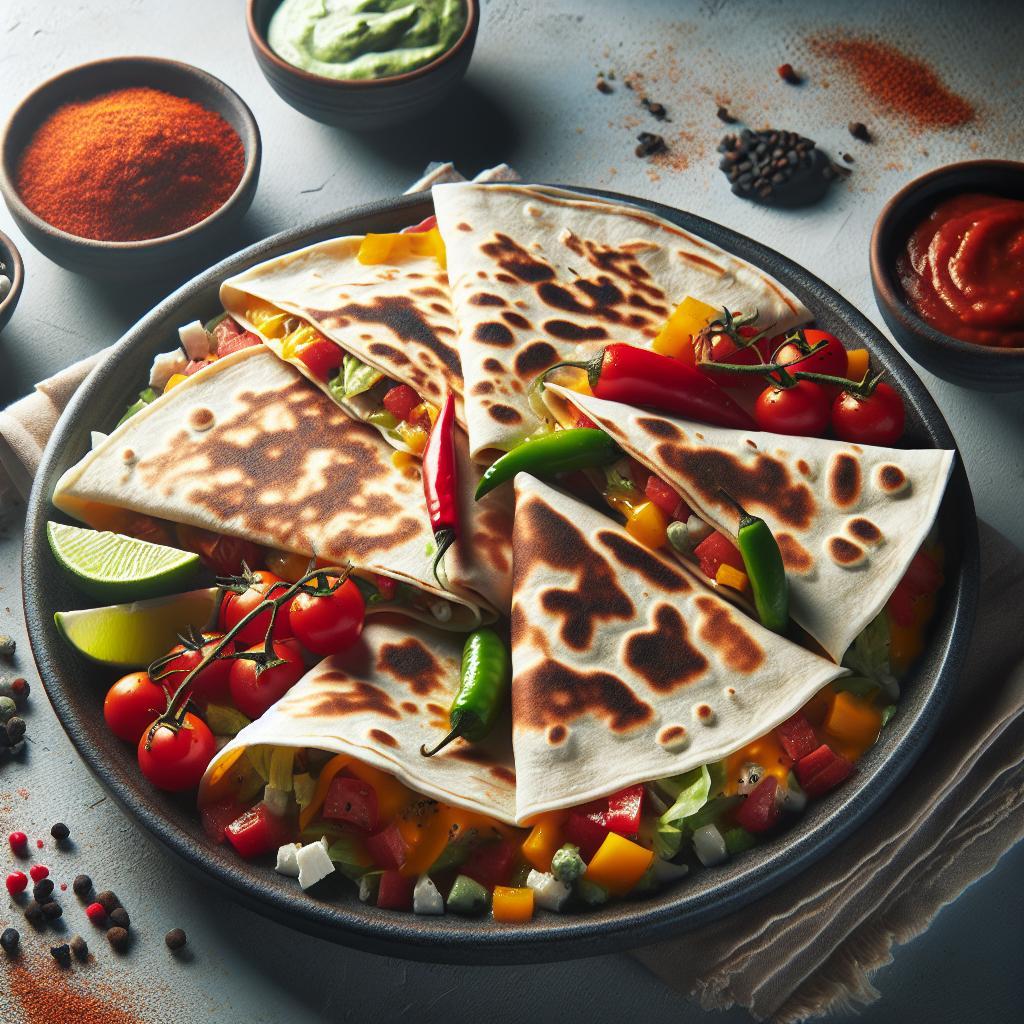

Step into a world where simplicity meets bold, vibrant flavors-welcome to the delicious realm of authentic Mexican quesadillas. More than just a quick snack, quesadillas are a culinary tapestry woven with history, tradition, and regional flair. From the sizzle of tortillas on a hot comal to the molten cheese that pulls apart in gooey strands, these little pockets of joy embody the spirit of Mexican street food at its finest. Whether you’re a curious foodie or a seasoned cook eager to master this iconic dish, this guide will take you on a flavorful journey through the heart of Mexico’s quesadilla culture, unlocking tips, secrets, and recipes that promise to transform your kitchen into a vibrant fiesta of taste. Get ready to savor every bite!
Savor the Flavors: A Guide to Authentic Mexican Quesadillas begins with understanding that choosing the perfect tortilla base is the foundation for crafting a truly memorable quesadilla experience. The essence of this beloved dish lies not only in its luscious fillings but also in how the tortilla embraces those ingredients, delivering the right balance of texture and flavor.
Prep and Cook Time
Preparation: 15 minutes | Cooking: 10 minutes | Total: 25 minutes
Yield
4 servings (2 quesadillas each)
Difficulty Level
Easy to Medium – perfect for home cooks seeking authentic Mexican flavors with a touch of culinary artistry
Ingredients
- 8 fresh corn tortillas (for a traditional, slightly chewy base) or flour tortillas (for a softer, pliable option)
- 2 cups shredded Oaxaca cheese or a blend of Monterey Jack and Chihuahua cheese
- 1 cup sautéed mushrooms (button or cremini), thinly sliced
- 1 medium poblano pepper, roasted, peeled, and sliced
- 1 small onion, finely chopped and caramelized
- 2 tablespoons fresh cilantro, chopped
- Salt and freshly ground black pepper, to taste
- Vegetable oil or avocado oil, for cooking (about 2 tablespoons)
- Lime wedges, for serving
Instructions
- Prepare the base tortillas: Warm the corn or flour tortillas on a comal or skillet over medium heat until pliable-this should take about 30 seconds per side. This prevents cracking when folding later.
- Sauté the mushrooms and caramelize onions: Heat 1 tablespoon of oil in a skillet over medium heat. Add sliced mushrooms and cook until golden brown and tender, about 5 minutes, stirring occasionally. Remove from pan, then add remaining oil and caramelize onions until soft and lightly golden, about 8 minutes.
- Roast the poblano peppers: If not pre-roasted, roast the peppers over an open flame or under a broiler until skin chars. Seal in a bowl covered with plastic wrap for 10 minutes to loosen skins, then peel and slice into thin strips.
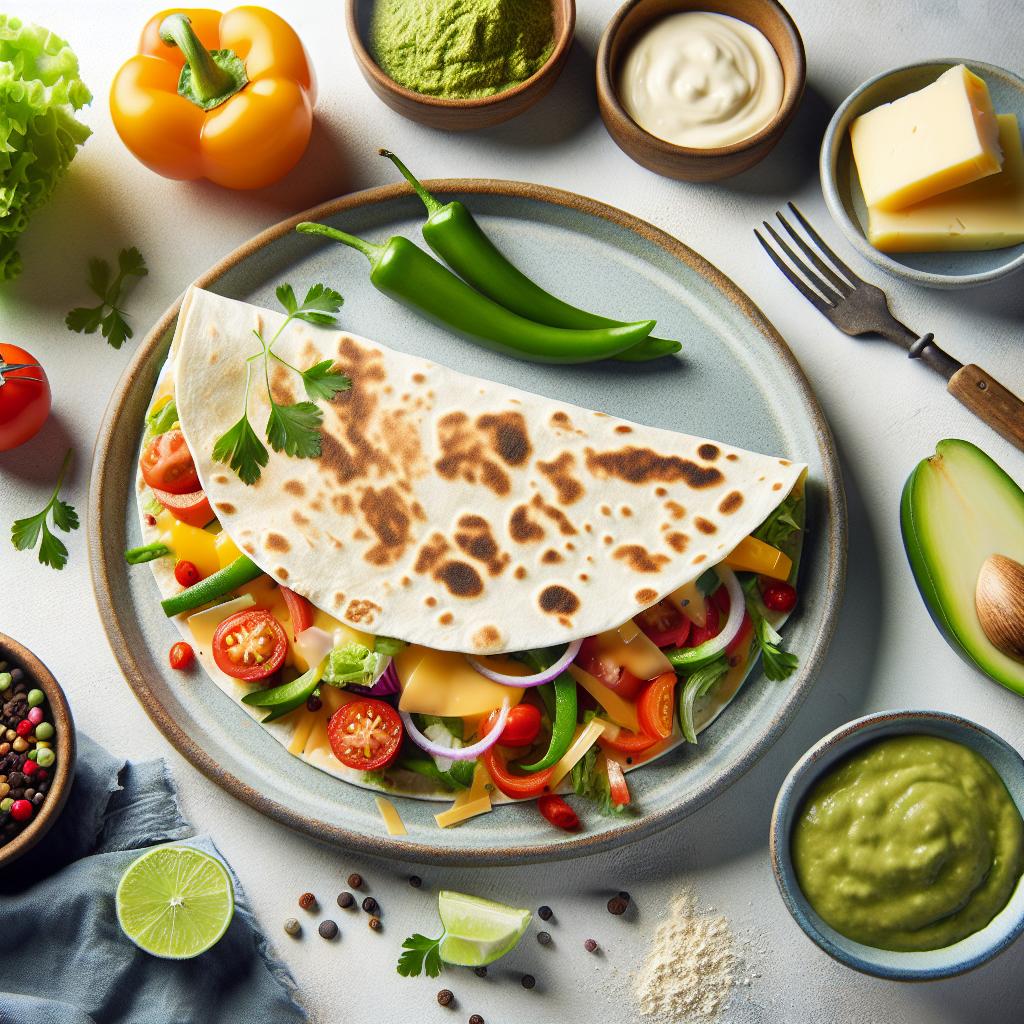
- Assemble the quesadillas: Lay a warm tortilla on a clean surface. Sprinkle an even layer of cheese over half of the tortilla, then layer sautéed mushrooms, roasted poblano strips, caramelized onions, and cilantro. Season lightly with salt and pepper. Top with a little more cheese to help bind filling, then fold the tortilla over to create a half-moon shape.
- Cook: Heat the comal or a large skillet over medium heat. Add the quesadilla and cook for 3-4 minutes per side or until the exterior is golden brown and the cheese is melted inside. Press down gently with a spatula to achieve even crisping.
- Serve immediately: Transfer to a plate and cut into wedges. Serve with lime wedges and optional sides like fresh salsa or guacamole.
Tips for Success
- Choosing your tortilla: Corn tortillas provide authentic flavor and texture, especially when slightly toasted on a comal. Flour tortillas are better if you prefer a softer bite.
- Cheese matters: Oaxaca cheese melts perfectly and imparts a mild creaminess. For a fusion twist, blending with Monterey Jack or Chihuahua adds richness and depth.
- Avoid sogginess: Keep sautéed fillings well-drained and warm before assembling to prevent excess moisture from softening tortillas prematurely.
- Cooking surface: A cast iron skillet or traditional comal ensures an even, crispy texture and beautiful golden spots.
- Make ahead: Pre-toast tortillas and prepare fillings in advance. Assemble just before cooking for maximum freshness.
- Regional variations: Experiment by adding ingredients such as huitlacoche (corn fungus), flor de calabaza (squash blossoms), or regional cheeses to explore diverse quesadilla traditions.
Serving Suggestions
Present your quesadillas with a scattering of chopped cilantro and a bright squeeze of fresh lime juice. Pair with sides like:
- Fresh pico de gallo or salsa verde to contrast the melty richness
- Light avocado or creamy guacamole for indulgent balance
- Refried black beans or charred corn salad for an authentic Mexican feast
- Pickled jalapeños or a few slices of radish for a crunchy, tangy finish
For a rustic feel, serve on a wooden board with colorful woven textiles in the background-invoking the warmth and heritage of Mexican street food culture.
| Nutrient | Amount per Serving |
|---|---|
| Calories | 370 kcal |
| Protein | 18 g |
| Carbohydrates | 32 g |
| Fat | 18 g |
Discover more about authentic Mexican cheeses here to elevate your quesadilla fillings even further. For a comprehensive history and cultural context, National Geographic offers an insightful exploration into Mexican culinary traditions-perfect to inspire your next creation.

Q&A
Q&A: Savor the Flavors – A Guide to Authentic Mexican Quesadillas
Q1: What exactly makes a quesadilla “authentic” in Mexican cuisine?
A1: Authentic Mexican quesadillas are all about simplicity and tradition. They start with freshly made corn tortillas, usually folded and filled with a quality melting cheese like Oaxaca or Chihuahua. Unlike some international versions, they often avoid flour tortillas and keep fillings straightforward, highlighting local cheeses and fresh, vibrant ingredients.
Q2: Which cheeses are most traditional and flavorful for quesadillas?
A2: The stars are Oaxaca cheese, which is stringy and melty, and Chihuahua cheese, known for its creamy texture and mild flavor. Queso panela and quesillo can also be used for unique textures. These cheeses allow the quesadilla to ooze with authentic Mexican richness without overpowering the subtle accompaniments.
Q3: Are quesadillas traditionally served with any sauces or sides?
A3: Yes! Quesadillas in Mexico are often paired with tangy salsa verde (made with tomatillos), smoky red salsa, or a fresh pico de gallo. A dollop of Mexican crema, a drizzle of guacamole, or a sprinkle of fresh cilantro can elevate the flavor profile, making each bite a harmonious blend of textures and tastes.
Q4: What are some popular authentic fillings besides cheese?
A4: While cheese is the heart of the quesadilla, traditional fillings often include sautéed mushrooms, sautéed squash blossoms (flor de calabaza), huitlacoche (a delightful corn fungus considered a delicacy), nopales (cactus paddles), or grilled vegetables. These vegetarian options celebrate the bounty of local produce.
Q5: How can I achieve the perfect quesadilla texture at home?
A5: To nail that ideal texture-crispy on the outside and wonderfully melty inside-use a hot, dry skillet. Heat the tortilla first, add cheese and your chosen fillings, then fold and cook gently, pressing down slightly. Flip carefully to brown the second side evenly without burning. The goal is a golden, slightly crunchy tortilla encasing gooey cheese.
Q6: Can quesadillas be a healthy dish?
A6: Absolutely! By loading quesadillas with fresh vegetables like spinach, peppers, or zucchini, and using moderate amounts of cheese, you create a balanced meal that’s both satisfying and nutritious. Using corn tortillas also adds fiber and essential nutrients, making quesadillas a wholesome and versatile option.
Q7: What makes corn tortillas preferable to flour tortillas for authentic Mexican quesadillas?
A7: Corn tortillas provide a distinct earthy flavor and a sturdy yet tender texture that’s essential in classic Mexican quesadillas. They also hold their shape better and develop that delicious slightly crispy exterior when toasted. Flour tortillas are often found in northern Mexico and the U.S., but corn tortillas remain the authentic foundation.
Q8: How do quesadillas reflect Mexican culture and regional diversity?
A8: Quesadillas are a culinary canvas, reflecting regional ingredients and traditions across Mexico. For example, in Oaxaca, renowned as the land of cheese and moles, quesadillas might be filled with local cheeses and served with rich sauces. Meanwhile, in Mexico City, street vendors offer quesadillas filled with adventurous ingredients like cactus or mushrooms, showcasing the diverse flavors of Mexican markets.
Q9: Is it authentic to add a lot of fillings to a quesadilla?
A9: Traditionally, less is more. Authentic quesadillas focus on quality over quantity-a few fresh, complementary fillings alongside the cheese. Overstuffing can overshadow the tortilla’s texture and the cheese’s melt. The beauty lies in balance and savoring the simplicity of each component.
Q10: How can a beginner best start making authentic Mexican quesadillas at home?
A10: Begin with fresh corn tortillas, your favorite melting Mexican cheese, and simple vegetable fillings like sautéed mushrooms or squash blossoms. Heat your skillet well, fold the tortilla carefully, and toast until golden. Add salsa and crema for dipping, take a bite, and imagine yourself in a bustling Mexican street food market! With practice, you’ll discover endless delicious variations.
Final Thoughts
As you’ve journeyed through the vibrant world of authentic Mexican quesadillas, it’s clear that these humble tortillas are anything but simple. Bursting with rich, melty cheeses, fresh herbs, and a symphony of traditional fillings, quesadillas tell a story of culture, creativity, and comfort in every bite. Whether you prefer them smoky and savory or bright with a hint of spice, mastering the art of the quesadilla invites you to savor Mexico’s culinary soul right at your own table. So next time hunger calls, remember: a quesadilla isn’t just food-it’s an experience waiting to be folded, toasted, and shared. Enjoy the flavors, embrace the tradition, and let your taste buds travel south of the border.