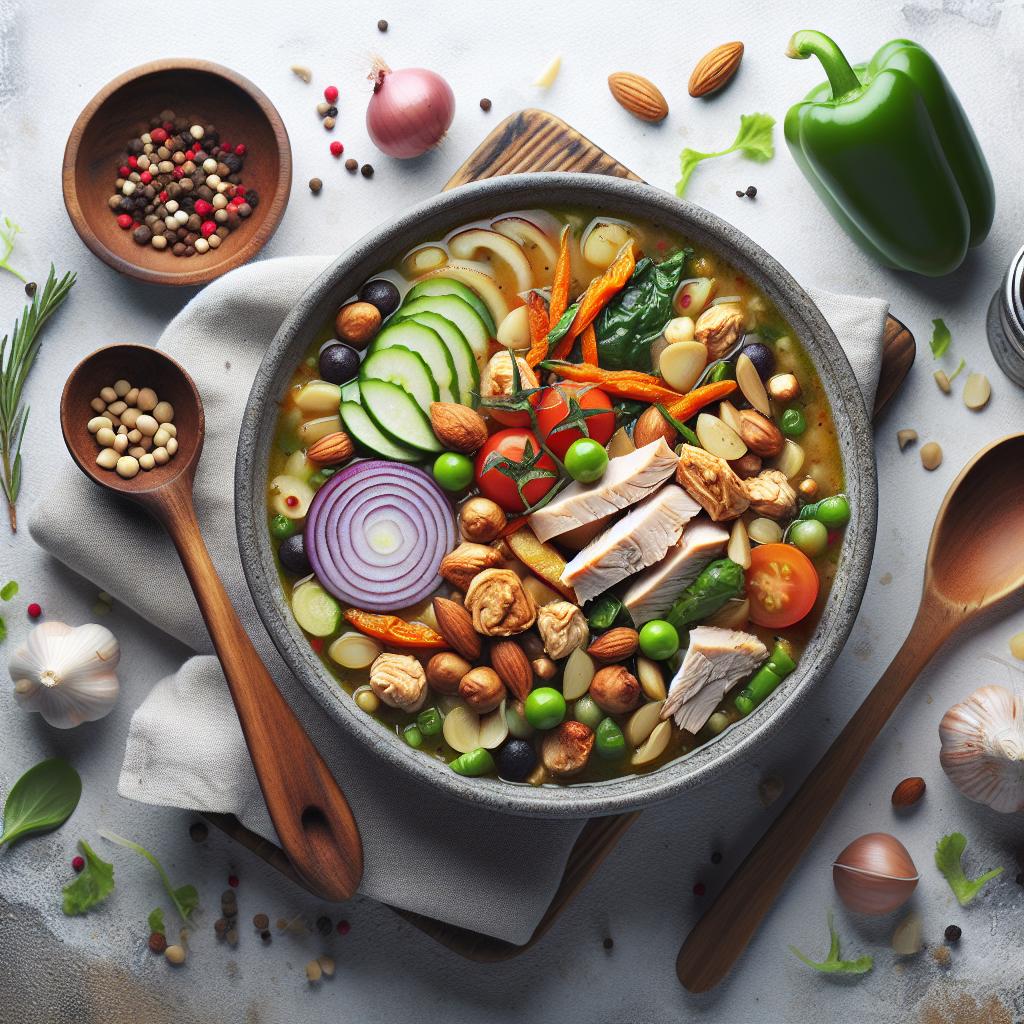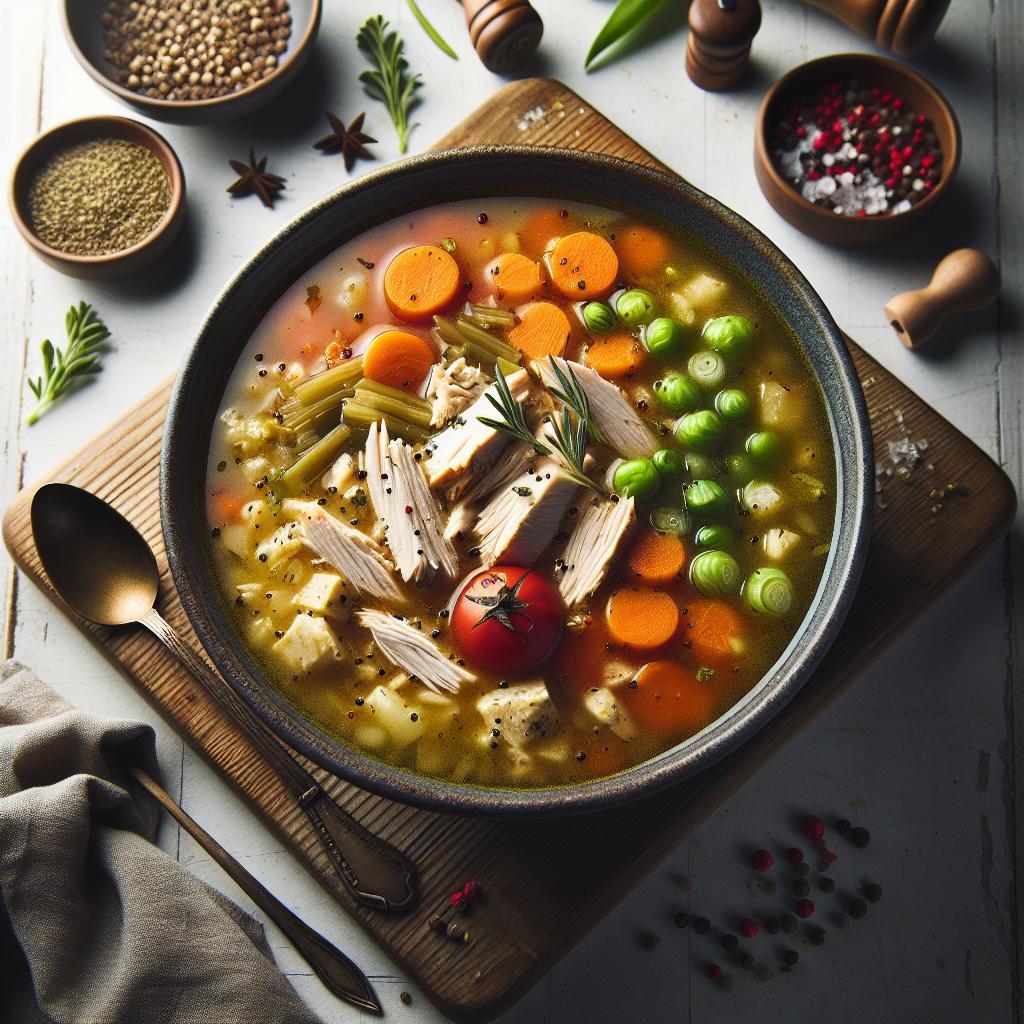

There’s something undeniably comforting about a steaming bowl of turkey soup-a savory embrace that warms both body and soul. Born from tradition and crafted with care, turkey soup turns humble ingredients into a hearty feast bursting with flavor and nostalgia. Whether it’s a chilly evening remedy or a way to breathe new life into leftover turkey, this timeless dish invites you to savor every spoonful, blending rich broth, tender meat, and an orchestra of vegetables into a symphony of taste. Join us as we explore the art and joy of crafting the perfect bowl of turkey soup, where comfort meets culinary delight in every nourishing bite.
Sourcing the Freshest Ingredients for an Unforgettable Turkey Soup
Savoring Turkey Soup begins with selecting the highest-quality ingredients that bring every spoonful to life. The foundation of a truly memorable bowl lies in the freshness and care you take in sourcing your turkey and accompaniments. Opt for a whole fresh turkey carcass or bones from a trusted butcher or local farm-free-range or organic sources offer richer flavor and more robust aromas in your broth. When buying vegetables, visit farmers’ markets or community-supported agriculture (CSA) stands to find vibrant, seasonal produce bursting with natural sweetness and crunch. Crisp carrots, freshly picked celery stalks, and aromatic herbs like thyme and rosemary will elevate your soup from simple comfort food to a culinary masterpiece. Keep in mind, fresher ingredients release deeper, more nuanced flavors during the long simmering process, making each bowl a celebration of wholesome goodness.
Crafting the Perfect Broth to Capture Deep, Rich Flavors
Your broth is the heart and soul of the soup. To truly capture the essence of Savoring Turkey Soup, start by roasting the turkey bones until golden brown; this step unlocks complex, caramelized notes that deepen the broth’s character. Place the roasted bones in a large stockpot with quartered onions, whole garlic cloves, roughly chopped carrots, and celery. Cover with cold filtered water and slowly bring to a gentle simmer-avoiding a boil will keep it clear and silky rather than cloudy. Skim off any foam or impurities as they rise, revealing a beautifully clean broth. Let the broth cook low and slow for at least four hours to fully extract collagen, minerals, and flavor. Add whole peppercorns and a bouquet garni of fresh herbs during the final hour for an aromatic lift. Strain the broth carefully and set aside; this golden elixir will form the base that infuses every spoonful with warmth and depth.
Incorporating Seasonal Vegetables and Herbs for Enhanced Comfort
Adding a medley of seasonal vegetables not only enriches the flavor palette but also provides vibrant color and wholesome texture to your turkey soup. Consider tender diced butternut squash in autumn, thinly sliced leeks in winter, or fresh green beans in late spring. Choose vegetables that complement the gentle, savory profile of the broth-sweet carrots, earthy parsnips, and bright celery shine beautifully here. Fresh herbs such as parsley, dill, and thyme should be stirred in towards the end of cooking to maintain their fragrant brightness. These layers of temperature-appropriate produce balanced with herbs create a comforting, soul-soothing bowl-each spoonful like a warm hug from the season itself.
Expert Tips for Storing and Reheating Without Losing Taste
To preserve the pristine flavor and silky texture of your turkey soup when storing, cool it quickly in shallow containers and refrigerate within two hours after cooking. Use airtight containers to prevent absorption of other odors and to keep the broth rich and aromatic. When reheating, avoid rapid high heat which can toughen the turkey pieces and dull the broth’s clarity. Instead, gently warm the soup over low heat, stirring occasionally to evenly distribute heat and preserve the velvety mouthfeel. Adding a splash of fresh broth or water during reheating can rejuvenate thickness if it’s slightly reduced. For longer storage, freeze portions with plenty of broth to prevent dryness – defrost overnight in the fridge for best results. These steps ensure your experience of Savoring Turkey Soup remains just as delightful days later.
Prep and Cook Time
- Preparation: 20 minutes
- Cook Time: 4 hours 30 minutes (including broth simmering)
- Total Time: Approximately 5 hours
Yield
Approximately 8 hearty servings
Difficulty Level
Medium – Ideal for home cooks comfortable with slow simmering and layering flavors
Ingredients
- 1 whole turkey carcass (about 4-5 lbs), bones roasted
- 2 large yellow onions, quartered
- 4 cloves garlic, peeled
- 3 large carrots, peeled and chopped
- 3 celery stalks, chopped
- 1 bay leaf
- 1 teaspoon whole black peppercorns
- 1 small bunch fresh thyme
- 1 small bunch fresh parsley, chopped
- 2 cups diced seasonal vegetables (e.g., butternut squash, parsnips, green beans)
- Salt to taste
- Filtered water to cover
Instructions
- Preheat the oven to 400°F (200°C). Arrange the turkey carcass bones on a baking sheet and roast for 30-40 minutes until golden brown and fragrant, turning once halfway through.
- Transfer bones to a large stockpot. Add the quartered onions, garlic cloves, chopped carrots, celery, bay leaf, and peppercorns.
- Cover generously with filtered water. Bring to a gentle simmer over medium-low heat. Avoid boiling to keep your broth clear.
- Skim off foam and impurities that surface during the first 30 minutes of simmering with a fine mesh skimmer or spoon.
- After 3 hours, add seasonal vegetables to the pot. Continue to simmer gently for an additional 1 to 1.5 hours.
- Stir in fresh thyme and parsley during the last 10 minutes for an herbaceous finish.
- Remove pot from heat. Carefully strain through a fine sieve or cheesecloth into a large bowl or pot. Discard solids.
- Season the broth lightly with salt, adjusting to taste.
- Serve immediately or cool rapidly for storage as per expert tips.
Chef’s Notes
- Bone Broth Bonus: For deeper flavor, boil the bones with a splash of apple cider vinegar to help extract minerals and gelatin.
- Vegetable Variations: Feel free to swap seasonal veggies depending on the local harvest or your preference.
- Storage Tip: Freeze soup in individual portions for quick, flavorful meals later. Glass jars with wide mouths work well.
- Broth Clarity: Do not stir vigorously while simmering. This keeps the broth clear and light.
- Leftover turkey: Add shredded cooked turkey meat near the end of cooking to keep it tender and juicy.
Serving Suggestions
Serve Savoring Turkey Soup piping hot in rustic bowls, topped with a sprinkle of freshly chopped parsley or chives for a burst of color. A squeeze of lemon or a few drops of good-quality extra virgin olive oil can brighten the flavors beautifully. Pair with crusty whole-grain bread or a warm biscuit to soak up every drop. For an extra cozy touch, add a dollop of creamy mashed potatoes or a handful of cooked noodles directly into the soup. This dish is perfect for sharing around the table on chilly evenings, evoking warmth and togetherness with every nourishing spoonful.
| Nutrient | Per Serving |
|---|---|
| Calories | 210 kcal |
| Protein | 18 g |
| Carbohydrates | 12 g |
| Fat | 8 g |
Learn more about the health benefits of bone broth for an added boost to your well-being.
Explore more comforting recipes featuring seasonal harvests in our Seasonal Vegetable Recipes collection to keep your kitchen inspired year-round.

Q&A
Q&A: Savoring Turkey Soup: A Hearty Bowl of Comfort and Flavor
Q1: What makes turkey soup such a comforting dish?
A1: Turkey soup embodies warmth and nourishment in every spoonful. Its rich, savory broth infused with tender turkey meat and hearty vegetables creates a cozy experience that soothes both body and soul, perfect for chilly days or when you need a little culinary hug.
Q2: How can I maximize the flavor in homemade turkey soup?
A2: Building flavor starts with a good-quality turkey, ideally using bones and leftover meat for deep, savory richness. Slow simmering the turkey with aromatic vegetables like onions, carrots, celery, and herbs such as thyme and bay leaves helps develop a robust broth. Adding a touch of garlic and fresh parsley towards the end brightens the taste beautifully.
Q3: Are there any creative twists to classic turkey soup?
A3: Absolutely! Consider incorporating ingredients like sweet potatoes for a subtle sweetness, or kale and spinach for an earthy, nutrient-packed punch. For a fragrant lift, try a splash of lemon juice or a sprinkle of ginger. Noodles, wild rice, or barley can also add texture and heartiness.
Q4: What are the best vegetables to complement turkey in soup?
A4: Traditional roots such as carrots, celery, and onions create a dependable flavor foundation. Adding parsnips or turnips provides a gentle sweetness and earthiness. Mushrooms bring umami depth, while fresh greens add color and freshness. Balance is key to creating a harmonious bowl.
Q5: How can turkey soup be adapted for a lighter or dairy-free diet?
A5: Turkey soup naturally lends itself well to lighter preparations by focusing on a clear broth and plenty of vegetables. Avoid cream or butter by using olive oil for sautéing. Herbs and spices like rosemary, sage, or a pinch of smoked paprika can intensify flavor without adding heaviness.
Q6: Can turkey soup be a meal prep star?
A6: Definitely! Turkey soup is fantastic for meal prep because it often tastes even better the next day as the flavors meld. It freezes well, so making a large batch means having a ready-to-go, nourishment-packed meal during busy weeks.
Q7: How important is the turkey stock in the overall soup quality?
A7: Turkey stock is the heart of any turkey soup. A rich, well-developed stock imparts deep flavor and body to the soup, making every ingredient shine. Investing time in simmering bones and scraps with aromatics ensures a soulful foundation that transforms simple ingredients into something extraordinary.
Q8: What are a few seasoning tips to enhance turkey soup?
A8: Salt and freshly cracked black pepper are essentials, but layering flavors with herbs like thyme, rosemary, and bay leaves adds complexity. A small dash of acidity, such as vinegar or freshly squeezed lemon, can brighten the soup and balance its richness. Remember to taste often and adjust seasonings gradually.
With these insights, turkey soup becomes not just a meal but a celebration of comfort, flavor, and creativity in your kitchen. Savor every bowl!
In Summary
As the final spoonful warms your soul and the aromatic memories linger, savoring turkey soup reminds us that comfort comes in a bowl brimming with tradition and taste. This hearty elixir not only revitalizes the body but also weaves stories of family gatherings, cozy evenings, and the simple joy of nurturing nourishment. Whether crafted from leftover turkey or a fresh simmer, each steaming bowl invites us to pause, relish, and celebrate the timeless flavors that comfort food so generously offers. So next time you crave a hug in a bowl, remember: turkey soup is more than a meal – it’s a savory embrace that fills both heart and home.