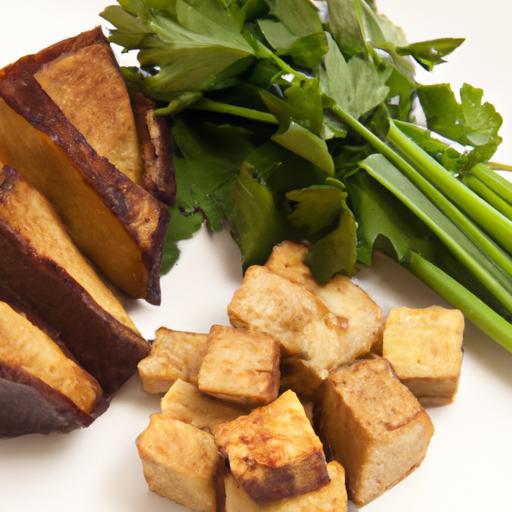
In a culinary world constantly craving innovation, one humble ingredient is sizzling its way into kitchens and hearts alike: seitan. Often dubbed “wheat meat,” this plant-based protein powerhouse is rewriting the rules of what meat alternatives can be. But what exactly is seitan, and why is it sparking a revolution on plates around the globe? In this article, we’ll peel back the layers of this ancient staple turned modern marvel, exploring its origins, how it’s made, and why food enthusiasts from vegans to gourmands are embracing seitan as the future of flavorful, sustainable dining. Get ready to uncover the wheat meat wonder that’s transforming the way we think about protein, one bite at a time.
Seitan Unveiled marks the beginning of an extraordinary culinary journey, revealing the essence of wheat meat-a versatile, protein-rich staple cherished across cultures and centuries. Whether you’re a seasoned plant-based foodie or simply intrigued by meat alternatives, mastering the art of crafting perfect seitan at home brings both tradition and innovation to your kitchen. This recipe encapsulates the evolution of seitan, transforming humble wheat gluten into tender, flavorful bites that promise to elevate every meal.
Prep and Cook Time
Preparation: 20 minutes
Simmering: 1 hour 30 minutes
Total Time: 1 hour 50 minutes
Yield
Serves 6 generously
Difficulty Level
Medium – for best results, patience and attention to texture are key
Ingredients
- 2 cups vital wheat gluten (fresh is best for elasticity)
- 1/4 cup nutritional yeast (adds savory depth)
- 1 tablespoon garlic powder
- 1 tablespoon onion powder
- 1 teaspoon smoked paprika
- 1 ½ cups vegetable broth, warm
- 1/4 cup soy sauce or tamari (for umami richness)
- 2 tablespoons tomato paste (adds acidity and color)
- 1 tablespoon olive oil
- For the simmering broth: 6 cups vegetable broth, 1/4 cup soy sauce, 3 cloves garlic (smashed), 2-inch piece fresh ginger (sliced), 2 dried shiitake mushrooms (optional)
Instructions
- Combine dry ingredients: In a large bowl, whisk together the vital wheat gluten, nutritional yeast, garlic powder, onion powder, and smoked paprika until even.
- Mix wet ingredients: In a separate bowl, stir together warm vegetable broth, soy sauce, tomato paste, and olive oil until smooth.
- Form the dough: Pour the wet mixture into the dry ingredients, stirring quickly with a spoon or your hand until a dough begins to form. Knead vigorously for about 3-5 minutes until the dough is elastic but not sticky.
- Shape seitan: Divide the dough into 4 equal portions. To mimic traditional textures, gently pull and fold each ball a few times to develop gluten strands without overworking.
- Prepare simmering broth: In a large pot, combine vegetable broth, soy sauce, garlic, ginger, and shiitake mushrooms. Bring to a gentle simmer-avoid boiling vigorously to keep seitan tender.
- Simmer seitan: Slowly add the seitan pieces to the broth. Cover partially and simmer gently for 1 hour 30 minutes, turning occasionally to ensure even cooking.
- Rest and store: Turn off heat and let seitan cool in the broth for at least 30 minutes before draining. For best flavor, refrigerate overnight in broth to allow full absorption.
- Cook or marinate: Before serving, slice or shred seitan to your desired shape. Pan-fry, grill, or bake with marinades for bursting flavors and satisfying textures.
Chef’s Notes
- Texture tips: Increase kneading for a chewier bite; less kneading yields softer seitan more suited for stews.
- Flavor boosters: Experiment with your simmering broth by adding spices like star anise, cinnamon sticks, or liquid smoke for unique twists.
- Storage: Homemade seitan can be refrigerated in broth for up to 5 days or frozen for up to 3 months.
- Gluten sensitivity: Not suitable for those with gluten intolerance or celiac disease; consider alternative protein options.
Serving Suggestions
Seitan shines in a myriad of dishes. Try thinly sliced seitan stir-fried with vibrant vegetables and tamari for a quick, savory dinner. Alternatively, marinate thick slabs in BBQ sauce and grill to rejuvenate the smoky charm of outdoor cookouts. Garnish with fresh herbs like cilantro or parsley and a drizzle of sesame oil for a restaurant-style flair. Serve alongside steamed jasmine rice or crusty sourdough bread to complete the meal.

| Nutrient | Per 100g Seitan | Daily Value* |
|---|---|---|
| Calories | 120 kcal | 6% |
| Protein | 21g | 42% |
| Carbohydrates | 4g | 1% |
| Fat | 2g | 3% |
*Percent Daily Values are based on a 2,000 calorie diet.
Looking to expand your plant-based culinary skills? Explore our detailed homemade vegan protein recipes for creative inspirations. For a comprehensive understanding of gluten proteins and their role in nutrition and cooking, visit Britannica’s Gluten Overview.
Q&A
Q&A: Seitan Unveiled – The Wheat Meat Revolution Explained
Q1: What exactly is seitan?
A1: Seitan is a savory, protein-packed food made from wheat gluten-the stretchy, elastic part of wheat flour that gives bread its chew. Often called “wheat meat,” seitan mimics the texture and chewiness of animal meat, making it a favorite among vegans, vegetarians, and curious foodies alike.
Q2: How did seitan come into existence?
A2: Seitan’s roots trace back over a thousand years to ancient East Asia, where Buddhist monks crafted it as a meat substitute during their vegetarian practices. Its rich history spans cultures and centuries, evolving from humble origins into a global plant-based protein superstar.
Q3: Why is seitan considered a “wheat meat”?
A3: Unlike tofu or tempeh, which derive from soy, seitan’s chewy, dense texture closely resembles that of cooked meat-think chicken breast or beef strips. This unique mouthfeel comes from its high gluten content, which when washed and cooked, develops an irresistibly meaty bite.
Q4: How is seitan made?
A4: Making seitan is both a science and an art. It starts with washing wheat flour to remove starch, leaving behind pure gluten. This gluten is then kneaded, simmered or steamed with savory broths and spices to soak up flavor. The result? A versatile, protein-rich ingredient that can be grilled, fried, or simmered.
Q5: What makes seitan a popular choice in plant-based diets?
A5: Seitan packs a powerful punch-boasting about 21 grams of protein per 3-ounce serving-far surpassing many other plant proteins. It’s low in fat, easy to flavor, and adaptable to countless cuisines, making it the perfect canvas for creating everything from spicy stir-fries to smoky BBQ ribs (vegan style).
Q6: Are there any nutritional considerations with seitan?
A6: While seitan is rich in protein, it’s important to note it contains little to no fiber and is unsuitable for those with gluten allergies or celiac disease. For balanced meals, pair it with fiber-rich veggies, whole grains, and healthy fats to round out the nutritional profile.
Q7: How can seitan change the way we think about meat alternatives?
A7: Seitan challenges the plant-based status quo by offering a meat-like experience that’s both affordable and home-friendly. It invites culinary creativity without relying on heavily processed ingredients, proving that plant power can be both simple and sensational.
Q8: Where can one find or buy seitan?
A8: Seitan has gone mainstream-available at most health food stores, vegan markets, and even some supermarkets. Alternatively, adventurous cooks can create it from scratch at home for a custom flavor and texture tailored to their tastes.
Q9: Any tips for cooking seitan to perfection?
A9: Patience is key! Let seitan simmer gently to soak up flavors, and consider marinating or seasoning it well before cooking. Also, experiment with cooking methods-grilling for a smoky char, pan-frying for crisp edges, or slow-cooking to melt it into stews.
Q10: What does the future hold for seitan in the food world?
A10: As plant-based diets grow and consumer curiosity expands, seitan stands poised to revolutionize kitchens worldwide. With innovations in flavorings, ready-to-eat products, and culinary techniques, seitan is no longer just a niche ingredient-it’s a cornerstone of sustainable, delicious eating.
—
Unveiling seitan reveals a fascinating journey of tradition, texture, and tastes that invite everyone to rethink meat and embrace a wheat-powered revolution on their plates.
Closing Remarks
As the wheat grain transforms into seitan, it carries with it centuries of culinary tradition and a bold, modern twist that challenges our notions of protein. This versatile “wheat meat” isn’t just a plant-based alternative-it’s a revolution on the plate, inviting chefs and home cooks alike to reshape flavors, textures, and sustainability. Whether you’re a seasoned vegan, a curious carnivore, or simply a lover of delicious innovation, seitan offers a savory gateway into the future of food. So next time you seek a hearty bite that honors both heritage and health, remember: behind seitan’s humble wheat gluten lies a world of possibility ready to be unearthed. The wheat meat revolution has only just begun.