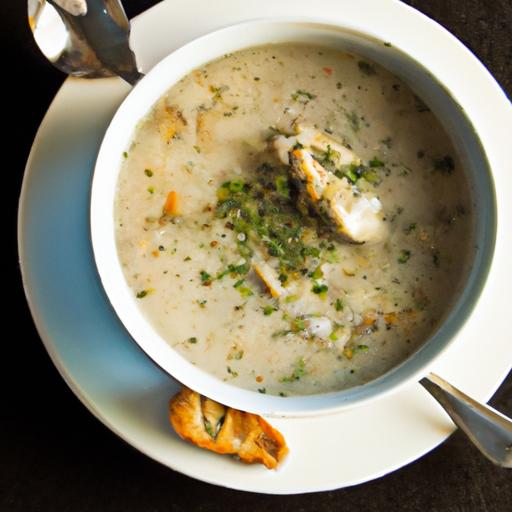
In the culinary world, few elements hold as much power to transform a dish as the liquid foundation beneath it: stock and broth. Though often used interchangeably, these humble ingredients each tell a different story-one steeped in tradition, simmered in nuance, and brimming with flavor potential. Whether crafting a rich stew, a delicate soup, or a savory sauce, understanding the subtle distinctions between stock and broth can elevate your cooking from simple to sublime. Join us as we unveil the flavorful foundation that sets the stage for countless culinary creations and explore how these two kitchen staples shape taste, texture, and tradition in every spoonful.
Stock vs. Broth: Unveiling the Flavorful Foundation begins with understanding the delicate art of extracting layers of flavor from simple ingredients. Both stock and broth form the culinary backbone of countless recipes, yet their origins and uses differ in ways that can transform your dishes from ordinary to extraordinary. Whether you’re simmering hearty soups or crafting sauces that sing, knowing how to harness the full potential of each can unlock a depth and complexity that elevates your cooking to professional heights.
Prep and Cook Time
- Prep Time: 15 minutes
- Cook Time: 3 to 6 hours (varies by recipe)
- Total Time: 3 hours 15 minutes to 6 hours 15 minutes
Yield
- About 8 cups (2 quarts) of stock or broth
Difficulty Level
- Medium – requires attention to detail and slow simmering but perfect for all avid cooks
Ingredients
- For Rich Stock:
- 3 lbs beef or chicken bones, roasted for deeper flavor
- 1 large onion, quartered (skins left on for color)
- 2 carrots, peeled and chopped into large chunks
- 2 celery stalks, roughly chopped
- 3 garlic cloves, smashed
- 1 tablespoon tomato paste (optional but recommended for richness)
- 2 bay leaves
- 10 whole black peppercorns
- Fresh thyme and parsley tied in a bouquet garni
- 12 cups cold water (enough to cover bones)
- For Flavorful Broth:
- 2 lbs chicken pieces (with skin and bones)
- 1 large onion, halved
- 2 carrots, chopped
- 2 celery stalks, chopped
- 3 garlic cloves, smashed
- 1 teaspoon black peppercorns
- Fresh parsley and thyme bundle
- 12 cups cold water
- Salt to taste
Instructions
- Roasting (for stock only): Preheat your oven to 425°F (220°C). Spread bones on a roasting pan and roast until deeply browned, about 45 minutes, turning halfway. This step develops the signature rich, caramelized flavor in stock.
- Prepare vegetables: While bones roast, roughly chop onions, carrots, and celery. Leave onion skins on for a golden hue in your stock or broth.
- Combine ingredients: In a large stockpot, add roasted bones or chicken pieces, vegetables, garlic, herbs, peppercorns, and tomato paste (stock only). Pour in cold water just enough to cover all ingredients to ensure slow extraction.
- Simmer gently: Bring to a gentle simmer over medium heat. Avoid boiling to prevent cloudy liquid. Skim off any scum that rises in the first 30 minutes to clarify.
- Cook time: For stock, allow to simmer for 4 to 6 hours; for broth, simmer gently for 1.5 to 3 hours. Longer simmering yields more gelatin and body in stock, while broth remains lighter with pronounced seasoning.
- Strain: Using a fine mesh sieve or cheesecloth, strain the liquid into a clean container. Discard solids (bones, vegetables, herbs).
- Cool and store: Rapidly cool the liquid by placing your container in an ice bath. Refrigerate for up to 5 days or freeze for longer storage.
Tips for Success
- Use cold water: Always start with cold water to enable gradual extraction of flavors and gelatin.
- Don’t boil vigorously: Maintain a gentle simmer to keep your stock or broth clear and pure in flavor.
- Roasting bones: Essential for stock’s depth; skip for broth to keep it lighter.
- Add salt last: Season broth toward the end or when using it in recipes to avoid over-salting.
- Save scraps: Keep vegetable scraps and bones in a bag in your freezer to make stock or broth anytime.
- Clarify for elegance: For a crystal-clear broth, whisk in a mixture of egg whites and cold water after simmering, then strain.
Serving Suggestions
- Use homemade stock as an umami-rich base for gravies, risottos, and sauces that benefit from deep body and gelatinous texture.
- Broth shines as a flavorful yet light base in soups, poaching liquids, and sipping warm with a wedge of lemon or fresh herbs for refreshing simplicity.
- Garnish bowls with freshly chopped parsley, a drizzle of good olive oil, or a sprinkle of cracked pepper to highlight the broth’s delicate nuances.
- Try freezing portions in ice cube trays for convenient flavor boosts whenever you cook.
| Nutrient | Stock (per cup) | Broth (per cup) |
|---|---|---|
| Calories | 40 kcal | 15 kcal |
| Protein | 7 g | 2 g |
| Carbohydrates | 0 g | 1 g |
| Fat | 1 g | 0.5 g |
Discover more about crafting flavorful homemade broth or visit Culinary Institute of America for expert insights on foundational cooking techniques.

Q&A
Q&A: Stock vs. Broth – Unveiling the Flavorful Foundation
Q1: What exactly is the difference between stock and broth?
A: At first glance, stock and broth might seem like kitchen twins, but they each have a unique identity. Stock is the deep, savory essence made primarily from simmering bones, often with a few aromatic vegetables. It’s rich in collagen, giving it a silky texture and body perfect for sauces and reductions. Broth, on the other hand, is more like a flavorful soup base-it’s made by simmering meat, vegetables, and seasoning, ready to be enjoyed on its own or as a versatile cooking liquid.
Q2: Why does stock have a thicker texture compared to broth?
A: The secret lies in the bones! When bones simmer for hours, they release gelatin-a natural thickener that adds a luscious, velvety mouthfeel to stock. This gelatin doesn’t just thicken; it also enhances the overall mouth-coating richness, making stock the go-to for recipes that crave depth and body. Broth, made mostly from meat and veggies, lacks this gelatin, resulting in a lighter, clearer liquid.
Q3: Can I use broth in place of stock and vice versa?
A: Absolutely, but with a culinary caveat. Broth’s lighter flavor and clearer texture make it perfect for sipping, stews, and quick soups. Stock’s robust, gelatin-infused nature shines in sauces, gravies, and braises, where a bit of thickness elevates the dish. Swapping one for the other won’t ruin your recipe, but understanding their flavor profiles ensures your dish gets the tasteful foundation it deserves.
Q4: How do the cooking times differ between making stock and broth?
A: Patience is especially virtue when making stock. Because extracting gelatin and deep flavors from bones takes time, stock often simmers for 4 to 6 hours, sometimes longer. Broth is a speedier affair, simmered for just 1 to 2 hours to pull out the delicate essence from meat and vegetables. The longer, slower stock process builds that rich, complex base, while broth keeps things light and fresh.
Q5: Is one healthier than the other?
A: Both stock and broth bring nutritional perks to the table. Stock, with its collagen and minerals from bones, supports joint health and digestion. Broth offers a lighter, often lower-calorie option packed with protein and vitamins from the meat and veggies. Your choice might boil down to dietary needs: a hearty, nourishing stock or a gentle, soothing broth-both are culinary superheroes in their own right.
Q6: Can I make vegetarian or vegan versions of stock and broth?
A: Yes! The magic doesn’t solely come from bones or meat. Vegetarian “stocks” and broths rely on simmering an orchestra of vegetables like carrots, celery, onions, mushrooms, and herbs to build flavor. While they won’t have gelatin’s body, you can achieve complex, satisfying bases that brighten soups, stews, and sauces. Just think of it as plant-powered potions!
Q7: How can understanding the difference between stock and broth enhance my cooking?
A: Knowing the nuances means you can choose the perfect flavor foundation tailored to your dish. Want a soup with a delicate flavor? Broth might be your hero. Crafting a velvety sauce or a rich stew? Stock steps in to deepen the culinary canvas. This knowledge lets you cook with confidence-transforming simple ingredients into truly memorable meals.
By unveiling the flavorful foundation of stock and broth, your kitchen journey becomes richer, tastier, and infinitely more satisfying!
Concluding Remarks
As you embark on your next culinary adventure, remember that both stock and broth are more than just liquids-they are the soulful foundations that breathe life into your dishes. Whether you choose the rich, gelatinous depth of a slow-simmered stock or the lighter, aromatic clarity of a vibrant broth, understanding their unique qualities empowers you to craft flavors that sing. So, next time you reach for that pot, savor the art and tradition behind these flavorful foundations, and let your kitchen creations tell their own delicious story.