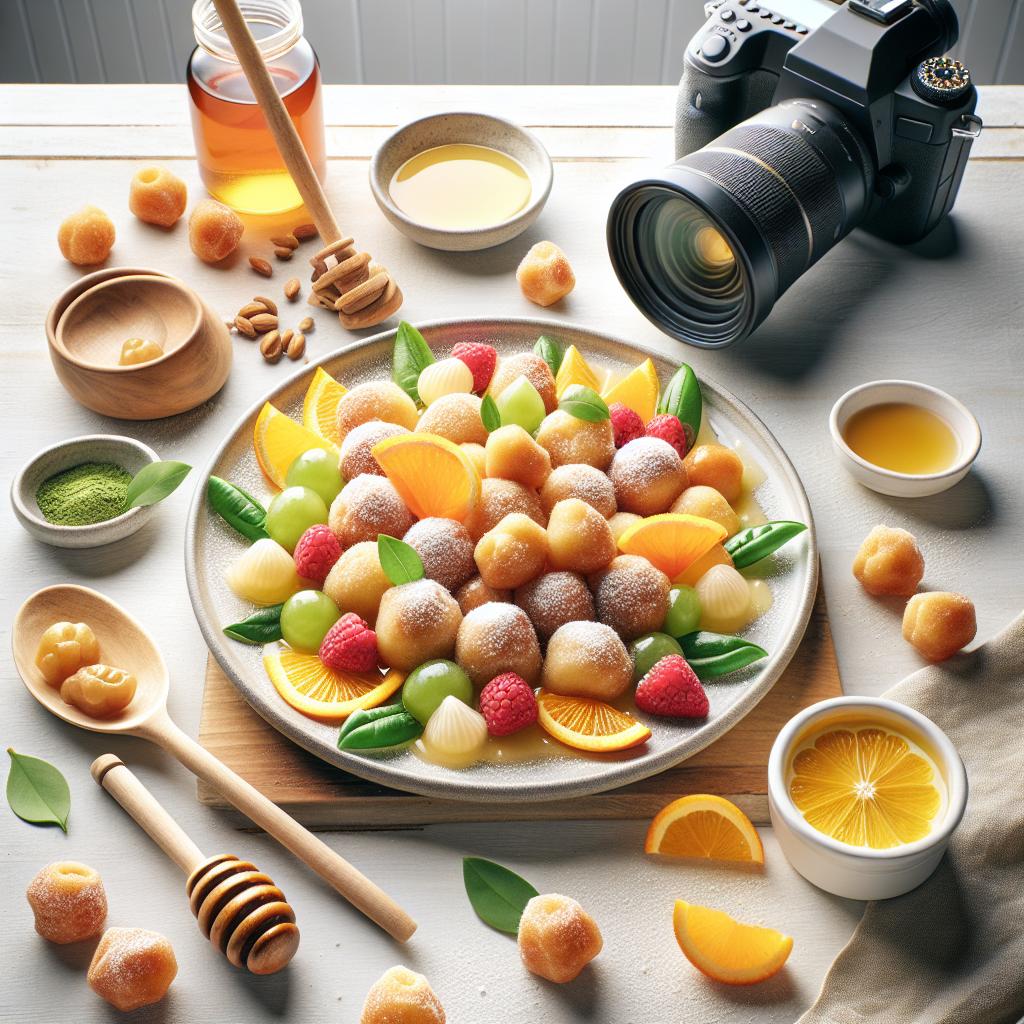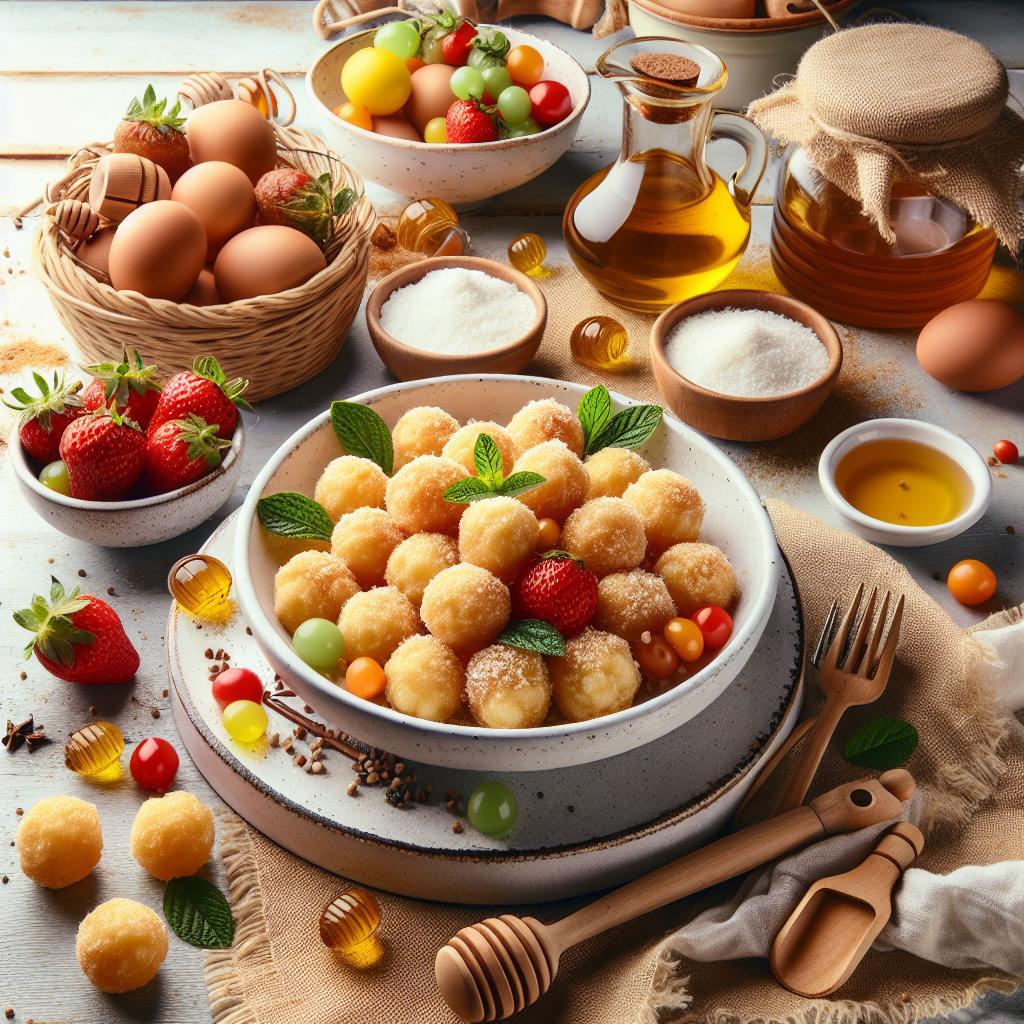

In the heart of every Italian grandmother’s kitchen, there is a secret recipe that whispers stories of tradition, celebration, and sweet nostalgia-Struffoli. These tiny golden honey balls, crisp on the outside yet tender within, have been delighting families for generations, especially during festive seasons. More than just a dessert, Struffoli is a culinary heirloom, a symbol of warmth and togetherness passed down through time. Join us as we unwrap the timeless charm of Struffoli, exploring its origins, the loving hands that craft it, and the irresistible sweetness that makes it a beloved treasure from grandma’s kitchen.
Struffoli, timeless honey balls that evoke the warmth and wisdom of Grandma’s kitchen, are more than just a festive treat-they are a celebration of Italian heritage and the joyous spirit of togetherness. These golden, crispy spheres soaked in fragrant honey have graced holiday tables for centuries, symbolizing prosperity and sweetness in the New Year. Their story begins in Naples, where families gather to craft these bite-sized delights, passing down recipes and stories with each generation.
Prep and Cook Time
- Preparation: 25 minutes
- Cook Time: 15 minutes
- Total Time: 40 minutes
Yield
About 6 servings (approximately 4 dozen struffoli)
Difficulty Level
Medium – Perfect for home cooks ready to explore traditional Italian desserts with moderate frying skills.
Ingredients
- 2 cups all-purpose flour, sifted
- 3 large eggs
- 3 tbsp granulated sugar
- 2 tbsp unsalted butter, softened
- 1 tbsp honey (plus extra for drizzling)
- 1 tsp lemon zest, finely grated
- 1 tsp vanilla extract
- 1/2 tsp baking powder
- Pinch of salt
- Vegetable oil for frying
- 1 cup honey (for coating)
- Multicolored nonpareils or candied fruit for decoration
Instructions
- Prepare the Dough: In a large bowl, combine all-purpose flour, baking powder, and a pinch of salt. In a separate bowl, whisk together eggs, sugar, honey, butter, lemon zest, and vanilla extract until smooth. Gradually add the wet mixture to the dry ingredients, mixing with a fork then your hands, until a smooth, elastic dough forms. If needed, add a teaspoon of flour to prevent sticking.
- Roll and Cut: Lightly flour your workspace. Divide the dough into 4 equal parts. Roll each into a thin rope about 1/2 inch thick. Use a sharp knife to cut small pieces, roughly the size of a pea (about 1/2 cm). Aim for uniformity to ensure even frying.
- Heat the Oil: Pour vegetable oil into a deep skillet or pot to a depth of at least 2 inches. Heat to 350°F (175°C) – use a kitchen thermometer for accuracy. Proper temperature is key to achieving light and crispy honey balls rather than greasy or undercooked ones.
- Fry the Struffoli: Fry small batches to avoid overcrowding. Gently drop the dough pieces into the hot oil, stirring occasionally to prevent sticking. Fry until golden brown and puffed, about 3-4 minutes. Use a slotted spoon to remove them and drain on paper towels. Maintain consistent oil temperature.
- Coat with Honey: Warm 1 cup of honey in a saucepan over low heat until fluid. Transfer fried struffoli to a large mixing bowl, drizzle the honey evenly over them, and gently toss them until each ball is glossy and coated like little jewels.
- Decorate: Mound the honey-coated struffoli on a festive serving plate. Sprinkle with multicolored nonpareils or small pieces of candied fruit, adding bursts of color and a touch of crunch. For a final festive flair, a light dusting of powdered sugar can add a snowy effect.
Chef’s Tips for Success
- Ensure your dough is elastic but not sticky; rest it covered for 15 minutes if too soft to handle.
- Maintain a steady oil temperature between 340°F and 360°F for perfect frying results. Use an oil thermometer to help.
- Fry in small batches to avoid temperature drops and soggy struffoli.
- For added aroma, infuse the honey with a strip of lemon peel or a cinnamon stick while warming.
- Make ahead: Struffoli can be made a day in advance and stored in an airtight container at room temperature.
Serving Suggestions
Serve these delightful honey balls on a large festive platter, perfect for sharing during holiday gatherings. Pair them with a steaming cup of espresso or a glass of Vin Santo for an authentic Italian experience. Struffoli also complement light, creamy cheeses or fresh fruit sauces when you want to offer a balance of flavors. Garnish with edible gold leaf or crushed pistachios for an upscale touch that impresses guests.

| Nutrient | Per Serving |
|---|---|
| Calories | 320 kcal |
| Protein | 5 g |
| Carbohydrates | 45 g |
| Fat | 12 g |
Explore more Italian classic desserts in our Classic Italian Desserts Collection and discover the rich culinary traditions that inspire every recipe.
For further reading on the historical significance of Italian festive pastries, visit Encyclopedia Britannica – Italian Cuisine.
Q&A
Q&A: Struffoli – Timeless Honey Balls from Grandma’s Kitchen
Q1: What exactly are struffoli?
A1: Struffoli are tiny, golden balls of fried dough, lovingly coated in warm honey and often sprinkled with colorful nonpareils or chopped nuts. Originating in Naples, Italy, these sweet treats are a festive favorite, especially around Christmas, embodying the warmth and nostalgia of grandma’s kitchen.
Q2: How did struffoli become a traditional treat?
A2: Struffoli’s roots trace back to ancient times, where similar honey-coated fritters were enjoyed during celebrations. Over generations, Neapolitan families perfected this recipe, passing it down as a treasured holiday ritual. Making struffoli is more than cooking-it’s a family gathering, a tradition woven into the fabric of festive joy.
Q3: What makes struffoli so unique compared to other desserts?
A3: It’s the delightful contrast in textures and flavors-the crisp exterior of the tiny dough balls melding with the luscious honey glaze, creating a sweet, sticky symphony. Plus, their bite-sized shape invites sharing, perfectly embodying the spirit of community and togetherness at the table.
Q4: Can you describe the traditional process of making struffoli?
A4: Certainly! The dough, typically made from flour, eggs, sugar, butter, and a touch of zest, is rolled into thin logs, then cut into small pieces and fried until golden. Once cooled slightly, the struffoli are drenched in warm honey and tossed gently to coat every piece. Finally, they’re piled into mounds or rings and adorned with festive sprinkles or chopped candied fruits.
Q5: Are there variations of struffoli around Italy or beyond?
A5: While Naples claims the original struffoli, variations exist throughout Italy and the Mediterranean. Some add anise or citrus peel to the dough; others experiment with chocolate drizzles or substitute honey with syrup. Wherever they appear, these honey balls carry the same essence of celebration and sweetness.
Q6: How can someone enjoy struffoli beyond the holiday season?
A6: Though traditionally a holiday jewel, struffoli are delightful anytime you crave a sweet, crunchy treat. Try them as a whimsical topping for ice cream or yogurt, crush them into a crunchy crust for cheesecakes, or pack them as a sweet snack on the go-timeless honey balls that dance in your mouth whenever you need a little joy.
Q7: What’s the best way to store struffoli to keep their magic alive?
A7: Struffoli are happiest fresh, but if you must keep them, store them in an airtight container at room temperature for up to a week. The honey helps them retain moisture, but they’re best enjoyed before they soften too much-just like a warm memory, meant to be savored soon after they’re made.
Rediscover the charm of struffoli and bring a spoonful of grandma’s kitchen magic into your home-a timeless tradition coated in honeyed sweetness and festive spirit!
Insights and Conclusions
As the last golden struffoli is savored, one can’t help but appreciate more than just a sweet treat. These tiny honey-soaked balls carry with them centuries of tradition, the warmth of Grandma’s kitchen, and the timeless joy of sharing something made with love. Whether enjoyed during festive celebrations or as a delightful everyday indulgence, struffoli remind us that some recipes are more than food-they are edible memories, binding generations with every bite. So next time you unwrap a cluster of these glistening gems, remember: you’re not just tasting honey and dough-you’re tasting history itself.