
Imagine transforming your humble pot of rice into a fluffy, perfectly textured masterpiece with just one unexpected addition: ice cubes. While it might sound like a kitchen hack plucked from a chef’s secret playbook, adding ice cubes to rice is a chilling trick that can elevate your cooking game in surprising ways. In this article, we’ll unravel the science behind this cool technique, explore its benefits, and show you why this simple step could change the way you cook rice forever. Ready to discover the frosty secret behind flawlessly cooked grains? Let’s dive in!
The Science Behind Ice Cubes and Rice Texture: How Ice Cubes Enhance Fluffiness and Prevent Clumping
The chilling trick: adding ice cubes to rice transforms a basic staple into a fluffy, perfectly separated dish every time. This simple yet ingenious method roots in controlling the cooking temperature at critical moments, locking in the grains’ natural steam and slowing starch release that causes stickiness.
When ice cubes melt during cooking, they gradually lower the pot’s temperature, moderating the boiling process and allowing the rice grains to absorb water evenly. This prevents the common culprits of clumping-excessive surface starch and uneven hydration. The icy chill also helps relax the grains’ starch structure, resulting in a tender but distinct texture that feels light on the palate.
Prep and Cook Time
- Prep Time: 5 minutes
- Cook Time: 20 minutes
- Total Time: 25 minutes
Yield
- 4 servings of fluffy, perfectly cooked rice
Difficulty Level
- Easy – ideal for beginners and seasoned cooks alike
Ingredients
- 1 cup long-grain white rice, rinsed thoroughly under cold water
- 1 ¾ cups water, filtered or bottled for best flavor
- 3-4 ice cubes, about 1-inch size each
- ½ teaspoon salt (optional, for seasoning)
- 1 tablespoon butter or neutral oil (optional, for added richness)
Step-by-Step Guide to Adding Ice Cubes During Rice Cooking
- Rinse the rice under cold water until the water runs clear to remove excess surface starch, enhancing fluffiness.
- Combine the rinsed rice and measured water in a medium saucepan. Add salt and butter or oil if desired for flavor.
- Bring the mixture to a rolling boil over high heat, uncovered, stirring once to prevent sticking.
- Add the ice cubes immediately after boiling starts. This lowers the temperature slightly and slows the cooking process for even hydration.
- Cover the pot with a tight-fitting lid and reduce the heat to low. Let it simmer gently for 18 minutes without lifting the lid.
- Turn off the heat and keep the lid on to let the rice steam for another 5 minutes, absorbing residual moisture.
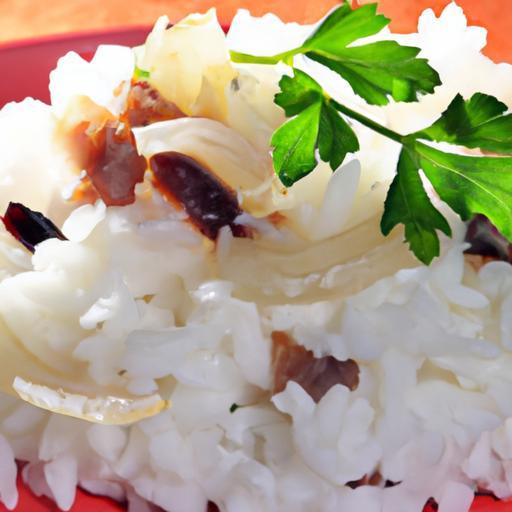
- Fluff the rice gently with a fork to separate the grains, revealing the enhanced airy texture enabled by the ice cubes.
Expert Tips for Perfect Rice Every Time with a Chilling Twist
- Rice Type Matters: This icy technique works best with long-grain varieties like Basmati or Jasmine due to their naturally slender grains.
- Ice Cube Size: Standard 1-inch cubes melt gradually for optimal temperature control; avoid crushed ice to prevent excess water.
- Do Not Stir During Cooking: Lifting the lid or stirring releases steam and interrupts cooking balance-trust the chilling process.
- Water Quality: Use filtered water for crisp, clean flavor; impurities can alter texture.
- Enhance Flavor: Adding aromatics like a bay leaf or cardamom pod during boiling infuses complexity without compromising fluffiness.
- Make-Ahead Tip: Cool leftover rice quickly on a tray to freeze the airy texture before refrigeration.
Serving Suggestions
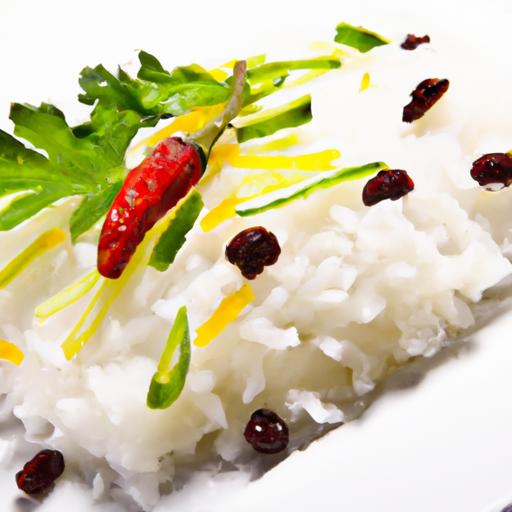
Showcase your perfectly chilled and fluffed rice as a stunning base for vibrant dishes. Garnish with:
- Fresh chopped herbs such as cilantro, mint, or parsley
- Toasted nuts or seeds for crunch and visual contrast
- A drizzle of fragrant olive oil or melted ghee
- Pair it with rich curries, grilled vegetables, or pan-seared proteins to balance textures and flavors beautifully
| Nutrient | Per 1 Cup Cooked Rice |
|---|---|
| Calories | 205 kcal |
| Protein | 4.3 g |
| Carbohydrates | 45 g |
| Fat | 0.4 g |
Discover more rice perfection techniques in our Ultimate Guide to Perfect Rice. For an in-depth look at starch and grain behavior, check out the ScienceDaily article on starch gelatinization.

Q&A
Q&A: The Chilling Trick – Why You Should Add Ice Cubes to Rice
Q1: Wait, ice cubes in rice? Are you serious?
A1: Absolutely! It sounds a little odd, but adding ice cubes while cooking rice is a clever kitchen hack that can elevate your rice game. It’s a simple step with surprisingly delicious results.
Q2: What exactly does adding ice cubes do to rice?
A2: The chill factor slows down the cooking process, allowing the grains to cook evenly without breaking apart. This technique helps rice stay fluffy, separate, and less sticky-kind of like giving your rice a cool spa day.
Q3: How many ice cubes should I toss in?
A3: Typically, adding 2-3 medium-sized ice cubes per cup of rice works wonders. They melt slowly, gradually releasing water, which helps control the moisture and temperature during cooking.
Q4: Can I use this trick for all types of rice?
A4: Most types benefit, especially long-grain varieties like basmati and jasmine. However, sticky or sushi rice-which is meant to be clumpy-might not need this trick. It’s perfect for when you want distinct, fluffy grains.
Q5: Does this method change the flavor of my rice?
A5: The flavor stays pure and simple, allowing you to appreciate the natural taste of the rice without extra starchiness or mush. It’s a subtle change-but one that enhances texture and mouthfeel.
Q6: Is this trick new or is it inspired by traditional cooking styles?
A6: While it may seem modern, the concept taps into age-old wisdom around temperature control and gradual cooking. It’s a creative twist on traditional practices, blending science and art in the kitchen.
Q7: Any special instructions for using ice cubes with rice?
A7: Start by rinsing your rice as usual. Then add the measured water per your recipe but swap some of that water out for ice cubes. Cook on low heat and avoid lifting the lid frequently to keep the chill effect steady.
Q8: Can this trick save me if I’ve got overcooked or mushy rice?
A8: Unfortunately, ice cubes work best when added before or during cooking, not after. But once you master the technique, mushy rice will be a rare visitor in your kitchen.
Q9: Any other benefits to using ice cubes with rice?
A9: Besides texture perfection, this method can slightly reduce starchiness, making the rice easier to digest and less sticky. Plus, it’s a conversation starter-imagine the look on your guests’ faces when you reveal your icy secret!
Q10: Where can I learn more creative cooking hacks like this?
A10: Keep exploring culinary blogs, watch cooking shows, or dive into cookbooks with a twist. The kitchen is a playground-sometimes the coolest ideas come from the simplest ingredients, like ice cubes.
The Way Forward
As you’ve discovered, the simple addition of ice cubes to your rice isn’t just a quirky kitchen hack-it’s a clever trick that transforms texture, enhances flavor, and even keeps your grains perfectly fluffy. Next time you prepare this staple, invite a few ice cubes to the pot and watch as your rice elevates from ordinary to extraordinary. Sometimes, the coolest ideas bring the hottest results. So go ahead, chill out and cook smarter-your taste buds will thank you.