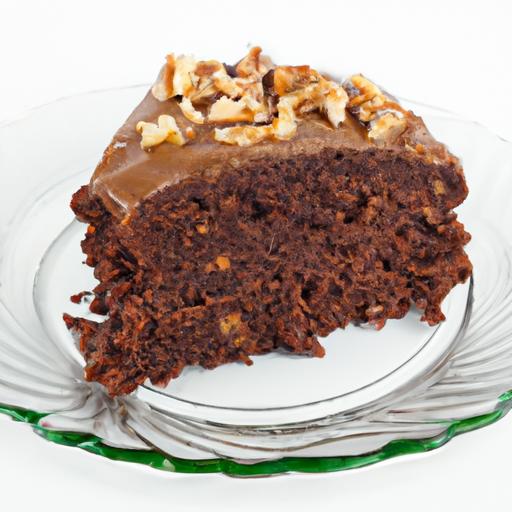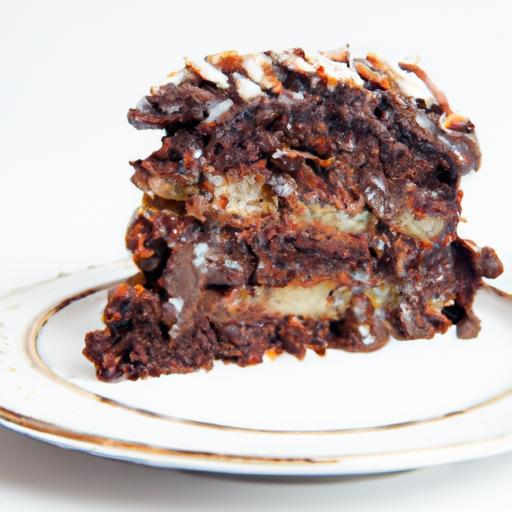

When you bite into the rich, gooey layers of German chocolate cake, it’s easy to imagine a quaint bakery tucked away in a Bavarian village, with the warm scent of chocolate swirling through the Alpine air. But here’s the sweet truth: German chocolate cake has very little to do with Germany. Far from being an authentic German dessert, this luscious treat is actually a uniquely American creation with an unexpected backstory. Join us as we unwrap the fascinating history behind the cake’s misleading name, revealing how a simple misnomer gave birth to one of the most beloved chocolate cakes in the United States.
German Chocolate Cake is a beloved American classic that often sparks curiosity-especially because, despite its name, it isn’t actually German. This luscious dessert emerged from a unique blend of American baking ingenuity and a special ingredient that set it apart: German’s Sweet Chocolate. The origins of the cake trace back to a 1957 recipe published by a Texas homemaker using this particular chocolate bar created by Sam German in the 19th century. Far from being a European import, the cake is a celebration of Southern Americana with a rich, gooey coconut-pecan frosting that delights the senses and captures hearts.
Prep and Cook Time
- Preparation: 30 minutes
- Cooking: 35-40 minutes
- Cooling and Assembling: 1 hour
Yield
Serves 10-12 generous slices
Difficulty Level
Medium – Perfect for enthusiastic home bakers ready to impress
Ingredients
- For the cake:
- 2 cups all-purpose flour, sifted
- 1 tsp baking soda
- ½ tsp salt
- ¾ cup unsweetened cocoa powder, sifted
- 2 cups granulated sugar
- 1 cup buttermilk, at room temperature
- ½ cup vegetable oil
- 2 large eggs, at room temperature
- 1 tsp pure vanilla extract
- 1 cup boiling water
- For the coconut-pecan frosting:
- 1 cup evaporated milk
- 1 cup granulated sugar
- 3 large egg yolks, lightly beaten
- ½ cup unsalted butter
- 1 tsp pure vanilla extract
- 1 ½ cups sweetened shredded coconut
- 1 cup chopped pecans, toasted
Instructions
- Preheat the oven to 350°F (175°C). Grease and flour two 9-inch round cake pans. Line the bottoms with parchment paper for easy release.
- Mix dry ingredients: In a large bowl, whisk together flour, baking soda, salt, cocoa powder, and sugar until evenly combined.
- Create the batter: Add buttermilk, oil, eggs, and vanilla to the dry mixture. Beat on medium speed until smooth and creamy.
- Add boiling water carefully: Slowly pour in the boiling water while mixing on low speed. The batter will be thin-that’s perfect for a moist cake.
- Bake the cakes: Divide batter evenly between prepared pans. Bake for 35 to 40 minutes, or until a toothpick inserted into the center comes out clean. Allow cakes to cool in pans for 15 minutes, then transfer to wire racks to cool completely.
- Prepare the frosting: In a medium saucepan, combine evaporated milk, sugar, egg yolks, and butter. Cook over medium heat, stirring constantly, until the mixture thickens and turns golden, about 12 minutes. Remove from heat and stir in vanilla, coconut, and pecans. Let it cool to room temperature; it will thicken further.
- Assemble the cake: Place one cake layer on your serving plate. Spread a generous amount of the coconut-pecan frosting on top. Add the second layer and cover the entire cake with the remaining frosting.
- Serve or chill: For best results, refrigerate the cake for at least an hour before slicing to allow the frosting to set beautifully.
Chef’s Notes: Tips for Baking an Authentic German Chocolate Cake at Home
- Use German’s Sweet Chocolate if you can find it to honor tradition, or substitute with a good-quality semi-sweet baking chocolate for a reliable depth of flavor.
- If your frosting seems too runny, simmer it a bit longer but stir continuously to avoid curdling.
- For extra moist layers, brush each cake with a simple syrup (1:1 sugar to water) before frosting.
- You can toast the pecans in a dry skillet over medium heat for 3-4 minutes to deepen their nutty aroma.
- Make the frosting a day ahead and store it in the fridge; bring to room temperature before spreading.
Serving Suggestions
Serve slices with a dollop of freshly whipped cream or a scoop of vanilla bean ice cream to balance the sweet richness. Garnish the top with a few extra toasted pecans and a sprinkle of shredded coconut for a classic, inviting finish. Pair with a cup of dark roast coffee or a glass of milk for the ultimate homemade indulgence.
| Nutrient | Per Serving |
|---|---|
| Calories | 450 kcal |
| Protein | 5 g |
| Carbohydrates | 57 g |
| Fat | 23 g |
Discover more about iconic American desserts and enrich your baking repertoire.
For detailed background on the origins of German’s Sweet Chocolate, dive into this expert article from HISTORY.

Q&A
Q&A: The Sweet Truth Behind German Chocolate Cake
Q1: Is German chocolate cake actually from Germany?
A1: Surprisingly, no! Despite its name, German chocolate cake isn’t a traditional German dessert. Its origins are rooted in America, not Europe.
Q2: So why is it called “German” chocolate cake?
A2: The “German” in the name comes from Samuel German, an American chocolate maker who developed a special type of dark baking chocolate in 1852. The cake originally featured this “German’s Sweet Chocolate,” and over time, the apostrophe and “s” were dropped, leaving us with “German Chocolate Cake.”
Q3: What’s special about German’s Sweet Chocolate?
A3: It’s a mild, sweet baking chocolate that was revolutionary in its time. Its unique sweetness made it perfect for creating rich, gooey cakes and desserts.
Q4: What are the key components of a traditional German chocolate cake?
A4: A classic German chocolate cake is famous for its layers of moist chocolate cake filled and topped with a luscious coconut-pecan frosting-a combo that’s both rich and slightly crunchy.
Q5: How did German chocolate cake become popular in the U.S.?
A5: The cake rose to national fame after a 1957 recipe was published in a Dallas newspaper by a homemaker named Mrs. George Clay. The recipe’s popularity skyrocketed sales of German’s Sweet Chocolate and made the cake a household name.
Q6: Does Germany have a similar cake?
A6: Germany has many beloved chocolate desserts, but none that closely match the coconut-pecan layered cake known as “German Chocolate Cake.” So, it’s safe to say this treat is a uniquely American creation.
Q7: Why is this misconception important to clear up?
A7: Understanding the origins helps us appreciate the true history behind the cake and honors the American ingenuity that brought this delicious dessert to life-plus, it’s a fun reminder that names don’t always tell the whole story!
Q8: Can I call it American chocolate cake instead?
A8: You absolutely could! But “German chocolate cake” has become the classic, recognized name, steeped in the quirky tale of Samuel German’s sweet invention.
Q9: Any final sweet fact to share?
A9: Yes! Next time you indulge in a slice, remember you’re enjoying a slice of culinary history-a cake born from a clever marketing twist that turned a chocolate innovation into a beloved American dessert sensation.
In Conclusion
As we’ve unraveled the layers of this delicious mystery, it’s clear that German chocolate cake is less about geography and more about a serendipitous blend of ingredients, history, and clever marketing. Despite its name, this rich, coconut-pecan delight hails not from the heart of Germany, but from the inventive kitchens of America. So next time you savor a slice, remember you’re tasting a story-a sweet fusion of cultural curiosity and culinary creativity that transcends borders. In the end, the cake’s true flavor lies not in its origin, but in the joy it brings to every forkful.