
In the heart of every kitchen, some recipes transcend time, weaving together history, family, and tradition with each flavorful bite. Among these cherished classics stands the iconic Corned Beef & Cabbage-a dish that’s as much about heritage as it is about hearty comfort. But beyond the basic boil lies a world of secrets: subtle spices, perfect cuts, and cooking rituals passed down through generations. In this article, we’ll unlock those timeless heirloom secrets, guiding you to craft the ultimate Corned Beef & Cabbage that not only honors the past but also delights the modern palate. Prepare to transform your next meal into a nostalgic celebration of flavor and legacy.
Timeless Heirloom Corned Beef & Cabbage Recipe Secrets
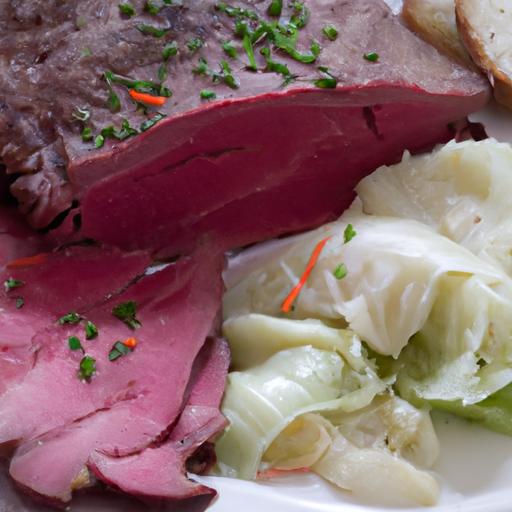
Timeless Heirloom Corned Beef & Cabbage Recipe Secrets unlock the soulful heart of traditional Irish cooking, inviting you to savor a dish steeped in history and comfort. This iconic meal captures generations of culinary wisdom-a marriage of perfectly cured beef and tender vegetables creating an unforgettable harmony of flavors and textures. Whether it’s a festive celebration or a nostalgic weekday feast, mastering this recipe delivers juicy, melt-in-your-mouth corned beef alongside vibrant, subtly sweet cabbage that elevates every bite.
Prep and Cook Time
- Preparation: 20 minutes (plus brining time)
- Cook Time: 3 to 4 hours (slow cooking recommended)
- Total Time: 3 hours 20 minutes to 4 hours 20 minutes
Yield
Serves 6 to 8 hearty portions
Difficulty Level
Medium – Requires planning for brining and slow cooking but highly rewarding
Ingredients
- 5 lb beef brisket, trimmed of excess fat
- 4 quarts cold water
- 1 ½ cups kosher salt
- ½ cup sugar (white or dark brown for richness)
- 3 tbsp pickling spice (see notes for homemade blend)
- 4 cloves garlic, crushed
- 2 tsp pink curing salt (Prague Powder #1) – optional, for authentic color
- 1 medium green cabbage, quartered and core removed
- 4 large carrots, peeled and cut into chunks
- 6 medium yellow potatoes, peeled and halved
- 2 large onions, quartered
- Fresh parsley for garnish
- Whole black peppercorns, a handful
- 2 bay leaves
Instructions
- Prepare the brine: In a large non-reactive pot, combine cold water, kosher salt, sugar, pickling spice, garlic, black peppercorns, and bay leaves. Heat gently, stirring until salt and sugar dissolve completely. Remove from heat and cool to room temperature, then refrigerate until thoroughly chilled.
- Brine the beef: Submerge the beef brisket in the chilled brine, ensuring it is fully covered. Cover the container and refrigerate for 5 to 7 days, turning the meat once daily for even curing.
- Rinse and slow cook: After brining, remove the brisket from the liquid and rinse well under cold water to remove excess salt. Place the brisket in a large pot, cover with fresh water, and bring to a gentle simmer. Skim any foam that rises to the surface.
- Add aromatics: Toss in onions, carrots, whole peppercorns, and additional pickling spice for depth of flavor. Cover and simmer gently for 3 to 4 hours, or until the brisket is fork-tender and juicy inside.
- Prepare the cabbage and potatoes: About 45 minutes before the beef is done, add the cabbage quarters and potatoes to the pot. Continue simmering until vegetables are tender but not mushy, usually about 30-45 minutes.
- Rest and slice: Carefully remove the brisket from the pot and let it rest for 10 minutes before slicing against the grain. This preserves tenderness and ease of serving.
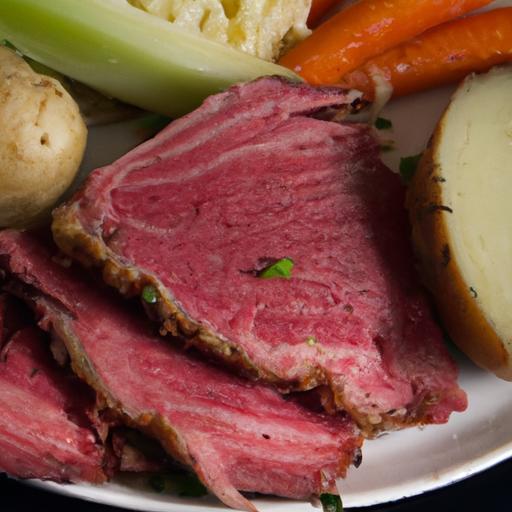
- Plate and garnish: Arrange slices of corned beef alongside the vibrant cabbage, carrots, and potatoes. Sprinkle with freshly chopped parsley and serve with mustard or horseradish on the side.
Tips for Success: Elevate Every Step
- Custom pickling spice: Combine coriander seeds, mustard seeds, crushed red pepper flakes, bay leaves, cloves, allspice berries, dried thyme, and cinnamon sticks for a fragrant, complex brine.
- Pink curing salt: Using Prague Powder #1 ensures the iconic pink hue and authentic flavor, but omit if you prefer a natural look.
- Patience is key: Slow simmering at a gentle temperature (around 190°F) yields the most tender corned beef, preventing toughness and dryness.
- Vegetable timing: Add cabbage and potatoes toward the end to maintain their texture and prevent overcooking.
- Make ahead: The corned beef and vegetables taste even better the next day-reheat gently in their cooking liquid to retain moisture.
Serving Suggestions
Serve this timeless heirloom corned beef & cabbage with rustic, buttery Irish soda bread or creamy mashed potatoes for an indulgent accompaniment. Add a dollop of spicy mustard or a tangy horseradish sauce to highlight the meat’s rich flavors. Garnish with fresh parsley or a sprinkle of cracked black pepper for a burst of color and aroma that entices the senses. Pair with a robust stout or a bright, crisp cider to complete the meal with classic Irish charm.
| Nutrition (per serving) | Calories | Protein | Carbs | Fat |
|---|---|---|---|---|
| Timeless Heirloom Corned Beef & Cabbage | 450 kcal | 40 g | 25 g | 18 g |
Discover how to bake authentic Irish soda bread and elevate your meal further. For additional tips and historical context on corned beef, visit Britannica’s corned beef guide.

Q&A
Q&A: Timeless Heirloom Corned Beef & Cabbage Recipe Secrets
Q1: What makes a corned beef and cabbage recipe truly timeless and heirloom-worthy?
A1: A truly timeless corned beef and cabbage recipe is rooted in tradition but perfected through careful attention to technique and flavor. It combines tender, slow-cooked corned beef with perfectly crisp-tender cabbage, all seasoned with a symphony of pickling spices passed down through generations. The secret lies in patience and the balance of flavors-achieving that melt-in-your-mouth texture while maintaining vibrant, comforting layers of taste.
Q2: How important is the cut of beef in this heirloom recipe?
A2: Immensely important. The classic cut is a brisket, typically the flat cut, which boasts the ideal fat-to-meat ratio. This ensures moisture and tenderness through long, slow cooking. Using the right cut is the first step to unlocking the comforting succulence that makes corned beef a cherished family meal.
Q3: What role do pickling spices play in the recipe, and can you customize them?
A3: Pickling spices are the aromatic backbone of any corned beef and cabbage dish. Traditional blends feature mustard seeds, coriander, peppercorns, bay leaves, and allspice, creating a fragrant, mildly tangy flavor profile. Customization is encouraged-adding cinnamon sticks or crushed cloves can impart warmth, while crushed red pepper adds a subtle kick. The key is balancing bold spices with the natural savoriness of the beef.
Q4: Why is slow cooking essential for this dish?
A4: Slow cooking transforms corned beef from tough and chewy to tender and juicy. It allows collagen within the brisket to melt gradually, resulting in that luscious, fork-tender texture. Whether cooked gently on the stovetop, in a slow cooker, or baked, patience is rewarded with succulent, richly flavored meat.
Q5: What is the secret to cooking cabbage perfectly?
A5: Timing is everything. Cabbage should be cooked just until tender but still slightly crisp, preserving its fresh, slightly sweet flavor and vivid green hue. Adding the cabbage during the last 20-30 minutes of cooking (depending on size) prevents it from becoming mushy and dull.
Q6: Can the recipe be adapted for modern dietary preferences without losing its heirloom charm?
A6: Absolutely. While the traditional recipe centers on beef and cabbage, you can adapt it by using corned turkey or lamb for different flavor nuances. For lower sodium options, soak the brisket to draw out excess salt, or prepare corned beef from scratch with less salt in the brine. Creative swaps don’t diminish the heart of the recipe-they add new chapters to your family’s culinary story.
Q7: What are some classic sides that complement corned beef and cabbage?
A7: The quintessential sides include buttery boiled potatoes and sweet, tender carrots, which absorb and echo the dish’s savory-spiced broth. Rye bread or soda bread and a dollop of mustard or horseradish cream add sharp contrast, rounding out the meal with comforting textures and flavors.
Q8: How can one honor family traditions while adding a personal twist to the recipe?
A8: Start by learning the stories behind your family’s recipe-each ingredient and method holds meaning. Then, experiment with subtle enhancements: a splash of stout beer in the cooking liquid, a sprinkle of fresh herbs like thyme or parsley, or roasting the beef after braising for a caramelized finish. These personalized touches pay homage to tradition while making the dish uniquely yours.
Q9: What is the best way to store and enjoy leftovers of corned beef and cabbage?
A9: Leftovers store beautifully in an airtight container in the refrigerator for up to 4 days. Reheat gently to preserve moisture; slices of corned beef are perfect for sandwiches or hash, while repurposed cabbage adds depth to soups or stews. This versatility cements its status as a hearty, beloved staple in any kitchen.
Q10: Why does corned beef and cabbage remain a cherished dish across generations?
A10: Because it’s more than food-it’s a tradition. It carries stories of heritage, family gatherings, and shared moments. Each simmering pot reconnects us with our roots while delighting our senses with rich, comforting flavors. Its timeless appeal lies in this blend of history and heart on a plate.
In Conclusion
As the aroma of savory corned beef and tender cabbage fills your kitchen, you’re not just cooking a meal-you’re weaving together threads of tradition, flavor, and family memories that transcend time. These timeless heirloom recipe secrets open a door to the past, inviting you to savor more than just food; you’re tasting history, love, and the enduring spirit of generations before you. Whether you’re preserving a cherished family legacy or creating a new one, let each bite remind you that some recipes, like the stories they carry, are truly forever. So gather your ingredients, embrace the ritual, and celebrate the art of corned beef and cabbage-the comfort dish that never goes out of style.