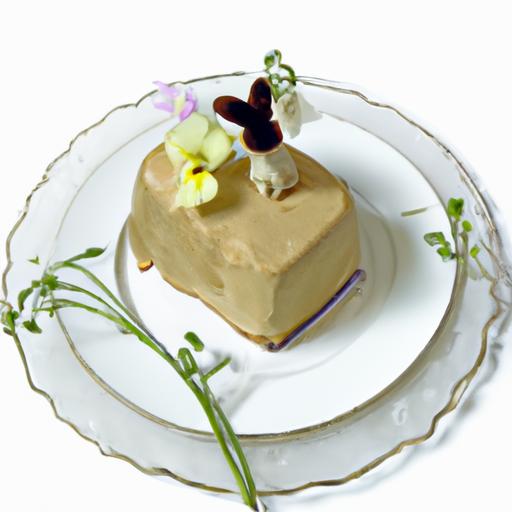
In the heart of Easter celebrations lies a confection steeped in tradition and rich with history-the Simnel cake. This timeless heirloom recipe, passed down through generations, is more than just a cake; it is a symbol of family, faith, and festivity. With its dense, fruit-laden layers and signature marzipan topping, the Simnel cake has graced holiday tables for centuries, each bite telling a story of heritage and warmth. Today, we reveal the secrets behind this cherished Easter classic, inviting you to bake your own slice of history and create memories that will last a lifetime.
Timeless Heirloom Easter Simnel Cake Recipe Revealed brings a symphony of fragrant spices, luscious dried fruits, and a distinctive marzipan layer that has graced Easter tables for centuries. This traditional British cake, rooted in medieval customs, offers a tender crumb and a caramelized, golden exterior that celebrates the arrival of spring with both history and flavor. Crafting this treasured cake invites you to partake in a culinary heritage that makes every bite a moment of delicious nostalgia.
Prep and Cook Time
- Preparation: 30 minutes
- Cooking: 1 hour 45 minutes
- Cooling & Decorating: 1 hour
Yield
One 9-inch round Simnel Cake, serving 12-14 guests
Difficulty Level
Medium – Requires moderate baking skills and patience for marzipan layering and decorating
Ingredients
- 225g unsalted butter, softened
- 225g light brown sugar
- 4 large eggs
- 225g self-raising flour, sifted
- 2 tsp mixed spice
- 1 tsp ground cinnamon
- 250g mixed dried fruit (currants, raisins, sultanas)
- 100g glace cherries, halved
- 100g mixed peel, chopped finely
- 2 tbsp orange zest
- 4 tbsp orange juice
- 150g marzipan, divided into two equal parts
- 2 tbsp apricot jam (warmed)
- 1 tsp vanilla extract
Instructions
- Prepare your bakeware: Grease and line a 9-inch round cake tin with parchment paper. This ensures easy release and a smooth cake edge.
- Mix wet ingredients: Cream the softened butter and light brown sugar in a large bowl until light and fluffy-about 4-5 minutes. Beat in the eggs one at a time, incorporating thoroughly before adding the next. Stir in the vanilla extract and orange juice.
- Incorporate dry ingredients: Fold the sifted flour, mixed spice, and ground cinnamon gently into the wet mixture. Add the orange zest, creating a fragrant, spiced batter.
- Fruit in the fold: Toss the dried fruit, glace cherries, and mixed peel with a tablespoon of flour to prevent sinking. Fold these evenly through the batter.
- First baking phase: Pour half the batter into your prepared tin. Smooth the surface with a spatula.
- Layer the marzipan: Roll out one half of the marzipan on a lightly floured surface to a 7-inch circle. Gently place this marzipan disk over the batter in the cake tin, pressing lightly.
- Top layer of batter: Spoon the remaining batter over the marzipan layer, ensuring full coverage. Smooth the top evenly for a balanced rise.
- Bake your cake: Place in a preheated oven at 150°C (300°F) fan/gas mark 2. Bake for 1 hour 30 minutes to 1 hour 45 minutes, covering the top with foil halfway through to prevent over-browning. Insert a skewer; it should come out clean when fully baked.
- Cool before decorating: Remove the cake from the oven and allow to cool in the tin for 15 minutes. Turn out onto a wire rack to cool completely.
- Apply apricot glaze: Brush the warm cake surface with warmed apricot jam. This creates a sticky base for your top marzipan layer.
- Finish with marzipan decorations: Roll out the remaining marzipan to the size of your cake top. Place this circle on the glazed surface. Traditionally, create 11 small marzipan balls to represent the apostles (excluding Judas) and arrange them around the edge. Use a little water or apricot jam to adhere them securely.
- Bake the decorated cake: Set your grill to medium and toast the marzipan layer and balls until lightly golden and delicately caramelized, 2-3 minutes. Watch closely to avoid burning.
Chef’s Notes
- Fruit soaking tip: For intensified flavor, soak dried fruits overnight in brandy or orange juice for a moist, richer cake.
- Marzipan tip: If marzipan feels too soft, chill for 15 minutes before rolling to prevent tearing.
- Gluten-free option: Swap self-raising flour for a blend of gluten-free flour and xanthan gum for similar texture.
- Advance prep: The Simnel cake improves with age; wrap tightly and store in an airtight container for up to 5 days or freeze for up to 3 months.
- Decoration alternative: Instead of balls, create flower or rope patterns with leftover marzipan for a personalized look.
Serving Suggestions
Slice the Simnel cake into generous wedges and serve slightly warmed or at room temperature. Pair with a dollop of clotted cream or lightly whipped cream to complement its rich texture. Garnish with fresh orange zest curls or candied flower petals for an elegant spring touch. A cup of jasmine tea or spiced chai harmonizes beautifully with the fragrant spices, enhancing the traditional Easter celebration.
| Nutritional Info (per serving) | Calories | Protein | Carbohydrates | Fat |
|---|---|---|---|---|
| Simnel Cake Slice | 320 kcal | 4 g | 48 g | 10 g |
Explore more traditional British Easter recipes | For spice blending insights, see Britannica’s guide to mixed spices.

Q&A
Q&A: Timeless Heirloom Easter Simnel Cake Recipe Revealed
Q1: What is a Simnel Cake, and why is it associated with Easter?
A1: Simnel Cake is a traditional British fruitcake, rich with dried fruits and marzipan, famously enjoyed during the Easter season. Its history dates back to medieval times when it symbolized the end of Lent’s fasting with a sweet, celebratory treat. The cake is famously topped with eleven marzipan balls, representing the apostles (minus Judas), giving it a meaningful Easter connection.
Q2: What makes this Simnel Cake recipe a “timeless heirloom”?
A2: This recipe has been lovingly passed down through generations, maintaining its authentic flavors and techniques. Unlike modern tweaks, it preserves the classic balance of spiced fruits and smooth marzipan, serving as a delicious link to the past. Using traditional ingredients and methods, it captures the essence of Easter celebrations as experienced by ancestors.
Q3: What special ingredients are key to this Simnel Cake?
A3: The heart of a good Simnel Cake lies in rich dried fruits like currants, raisins, and sultanas, often soaked in juice or a splash of brandy for depth. Freshly grated zest of lemon or orange adds brightness, while warm spices like cinnamon and nutmeg bring seasonal warmth. Of course, the marzipan layer and decoration are essential, lending both texture and sweetness.
Q4: How should I prepare the marzipan for the cake?
A4: Traditionally, half of the marzipan is rolled out and baked in the middle of the cake’s batter to create a luscious almond layer inside. The remaining marzipan forms a smooth top icing, adorned with eleven small balls representing the apostles. It’s best to chill and handle it gently for a neat, glossy finish that beautifully crowns the cake.
Q5: Any tips for baking the Simnel Cake perfectly?
A5: Patience is key! Bake your cake low and slow to ensure it cooks evenly without drying out. Wrapping the cake tin with a collar of parchment or foil can prevent the edges from burning. Once baked, let it cool completely before applying the marzipan topping to keep that perfect texture. And remember, like many fruitcakes, it tastes even better after a day or two as the flavors meld.
Q6: How can I serve and enjoy this timeless Simnel Cake?
A6: Serve slices with a pat of creamy butter or alongside a fragrant cup of tea to celebrate Easter fully. It also pairs beautifully with custard or clotted cream for a richer indulgence. This Simnel Cake is more than just dessert-it’s a historic centerpiece that invites family and friends to share in a sweet tradition.
Q7: Can this Simnel Cake be made in advance?
A7: Absolutely! In fact, it benefits from resting a few days or even weeks wrapped tightly in foil or stored in an airtight container. This resting period allows the flavors to deepen and harmonize, making each bite a more sumptuous taste of history and heritage. Just add a splash of brandy occasionally to keep it moist and fresh.
This Q&A uncovers the charm and craftsmanship behind the “Timeless Heirloom Easter Simnel Cake Recipe,” inviting readers to bake their own slice of Easter tradition.
Future Outlook
As the sweet aroma of this timeless heirloom Easter Simnel cake fills your kitchen, you’re not just baking a dessert-you’re reviving a cherished tradition that has brought families together for generations. This recipe is more than flour, fruit, and marzipan; it’s a delicious bridge to the past, a slice of history wrapped in festive warmth. Whether you’re sharing it at your holiday table or gifting a piece of heritage to a loved one, your Simnel cake is a testament to the enduring spirit of Easter-and to the joy found in every lovingly crafted bite. So go ahead, roll up your sleeves, and let this classic cake become a treasured part of your own family’s story.