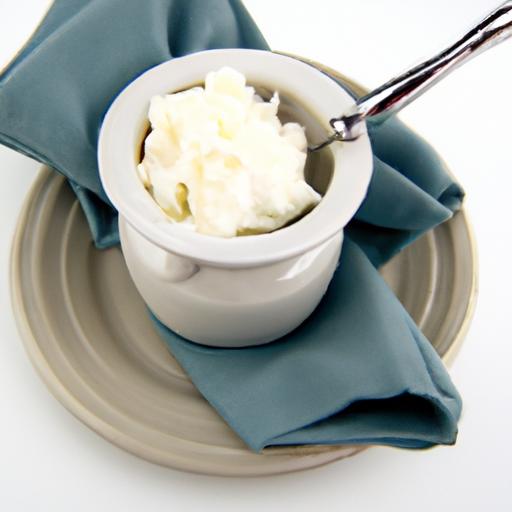
In a world brimming with flashy kitchen gadgets and instant meal fixes, there’s a quiet charm in returning to the roots of cooking-where time, patience, and a sprinkle of love transform humble ingredients into something extraordinary. Enter grandma’s authentic from-scratch yogurt, a timeless treasure passed down through generations. This isn’t your average store-bought cup; it’s a creamy, tangy delight crafted with care, steeped in tradition, and rich in both flavor and history. Welcome to “Timeless Taste: Grandma’s Authentic From-Scratch Yogurt Guide,” where we’ll unlock the secrets to recreating this beloved staple right in your own kitchen, honoring age-old methods while savoring every spoonful of goodness.
Timeless Taste invites you to rediscover the soul of homemade goodness by crafting yogurt the old-fashioned way-just like Grandma did. This cherished tradition transforms simple ingredients into luxuriously creamy yogurt, steeped in rich flavor and comforting familiarity. The secret lies not only in the choice of milk and starter culture but also in the patient art of fermentation, where time and temperature dance to create that perfect tangy bite and velvety texture.
Prep and Cook Time
- Preparation: 15 minutes
- Fermentation: 8-12 hours (depending on temperature)
- Total Time: Approx. 9-12 hours
Yield
Approximately 4 cups (1 quart) of creamy homemade yogurt
Difficulty Level
Easy to Medium – Perfect for beginners eager to master fermentation and for seasoned cooks refining classic methods
Ingredients
- 4 cups whole milk (fresh and preferably organic for the richest creaminess)
- 2 tablespoons plain yogurt with live active cultures (seed yogurt; use a trusted brand for reliable results)
- Optional: 1 teaspoon powdered milk to boost creaminess
- Optional natural add-ins for flavor enhancement: 1 teaspoon pure vanilla extract, fresh honey, or seasonal fruit preserves
Instructions
- Gently Heat the Milk: Pour milk into a heavy-bottomed saucepan and warm over medium heat until it reaches 180°F (82°C). Stir occasionally to prevent scorching and coat the sides with milk film-this step ensures a thick, creamy end result.
- Cool to Inoculation Temperature: Remove from heat and allow the milk to cool to around 110°F (43°C), the optimal temperature for bacterial fermentation. Use a kitchen thermometer for accuracy.
- Prepare the Starter: In a small bowl, whisk the plain yogurt until smooth. If using powdered milk, stir it into the warm milk before inoculation to enrich texture.
- Combine Milk and Starter Culture: Slowly add 2 tablespoons of the plain yogurt to the cooled milk, stirring gently but thoroughly to distribute the live cultures evenly.
- Ferment Quietly: Pour the mixture into a clean glass or ceramic container. Cover with a lid or clean cloth, then wrap in a thick towel to maintain a steady temperature. Place in a warm, draft-free spot (around 100°F or 38°C is ideal) and let ferment undisturbed for 8-12 hours. The longer it sets, the tangier and thicker it becomes.
- Chill and Set: Once the yogurt has set with a slight jiggle and pleasantly tart aroma, refrigerate for at least 4 hours to fully thicken and deepen flavor.
- Serve and Savor: Gently stir before serving to combine any separated whey. Taste and sweeten naturally if desired with honey or fresh fruit.
Tips for Success
- Selecting the perfect ingredients: Whole milk yields the creamiest yogurt, but for a lighter version use 2% or skim milk. Always use fresh milk and a yogurt starter with live cultures prominently labeled.
- Fermentation time and temperature matter: Too hot will kill the cultures; too cold slows fermentation. Test with a reliable food thermometer and consider placing your container near an oven preheated to low or inside a turned-off microwave with a cup of hot water.
- Flavor elevation: Add pure vanilla bean paste or swirl in homemade berry compote just before serving. Nuts, seeds, or a sprinkle of cinnamon can also add delightful texture and warmth.
- Storing and reusing starter: Reserve 2 tablespoons of your homemade yogurt as a starter for the next batch, but only keep it fresh for 4-5 cycles to maintain culture potency.
- Common troubleshooting: If yogurt is grainy or watery, try heating milk slightly more next time or ferment a little longer; gentle stirring after chilling can restore creaminess.
Serving Suggestions
Homemade yogurt shines when served simply or as the centerpiece of a vibrant, healthful dish. Drizzle with local honey and scatter with toasted almonds or walnuts for a warm crunch. For breakfast, layer yogurt with fresh berries and granola in a glass parfait. In savory preparations, dollop it into spiced curries or use as a cooling sauce with herbs like mint and dill. A sprinkle of freshly cracked black pepper and olive oil can elevate a Mediterranean snack plate.
For a nostalgic touch reminiscent of Grandma’s kitchen, present in small earthenware bowls topped with a sprig of fresh mint or edible flowers to delight both eyes and palate.
| Nutrient | Per 1 Cup (245g) |
|---|---|
| Calories | 150 |
| Protein | 8g |
| Carbohydrates | 12g |
| Fat | 8g |

For more insight into dairy fermentations, explore our complete guide on fermentation basics or deepen your knowledge at the National Center for Biotechnology Information’s research on yogurt cultures.
Q&A
Q&A: Timeless Taste – Grandma’s Authentic From-Scratch Yogurt Guide
Q1: What makes Grandma’s homemade yogurt so special compared to store-bought varieties?
A1: Grandma’s yogurt carries a heritage of patience and love, crafted slowly from scratch with simple, wholesome ingredients. Unlike commercial yogurts loaded with stabilizers and additives, her method nurtures live cultures in their purest form, resulting in a rich, creamy texture and tangy depth that machine-made versions can’t mimic.
Q2: Why is making yogurt from scratch considered a “timeless taste”?
A2: Yogurt-making is an ancient tradition passed down through generations, honoring the beauty of transformation-from humble milk to a nutritious probiotic treasure. This process connects us to our roots and embraces sustainability, simplicity, and the authentic flavors of natural fermentation that never go out of style.
Q3: What are the essential ingredients needed to make Grandma’s authentic yogurt?
A3: At its core, homemade yogurt requires just two ingredients: fresh whole milk and a small amount of active yogurt culture (either from a previous batch or store-bought live-culture yogurt). That’s it! No preservatives, thickeners, or artificial flavoring-just the magic of microbes at work.
Q4: Can anyone replicate Grandma’s method at home?
A4: Absolutely! With a bit of patience, a few simple tools (like a heavy pot and a cozy incubator-think a warm towel or a yogurt maker), and attention to temperature and timing, anyone can create creamy, tangy yogurt that tastes like it’s been steeped in tradition.
Q5: How long does it take to make yogurt using the from-scratch method?
A5: The process usually takes about 6 to 12 hours of fermentation, depending on the warmth of your incubating spot and your preferred tartness. The slow, gentle fermentation is key to developing that authentic depth of flavor Grandma swore by.
Q6: Are there health benefits to homemade yogurt over commercial options?
A6: Homemade yogurt is packed with live probiotics that support digestion and immunity, without additives or excess sugars often found in store brands. Plus, controlling the milk source means better quality and a fresher product, offering both taste and wellness in each spoonful.
Q7: What’s Grandma’s secret to perfect texture and flavor?
A7: It’s all about gentle handling and trust in the culture. Grandma believed in warming the milk just right, stirring carefully, and letting the yogurt incubate undisturbed in a cozy environment. Her intuition for timing and temperature made all the difference-creating that velvety texture and perfectly balanced tang.
Q8: Can the leftover yogurt culture be reused? How?
A8: Yes! A small spoonful of your finished batch can become the starter for your next cup of yogurt. It’s like passing on a delicious family heirloom. Just save a bit before enjoying your yogurt, keep it chilled, and use it within a week or two to ensure active cultures thrive.
Q9: What tips can help beginners avoid common yogurt-making pitfalls?
A9: Keep your milk at the right temperature-too hot and you kill the cultures; too cold and they won’t ferment properly. Maintain a consistent warmth during incubation. Avoid contaminating the batch by using clean utensils. And trust your instincts: if it smells or looks off, it’s better to start fresh.
Q10: How can this ancient yogurt tradition inspire modern home cooks?
A10: Embracing Grandma’s yogurt guide reminds modern cooks that patience, simplicity, and respect for natural processes can transform everyday ingredients into extraordinary food experiences. It’s an invitation to slow down, savor the craft, and reconnect with flavors that tell stories beyond the fridge shelf.
In Retrospect
As the last spoonful of creamy, tangy yogurt melts on your tongue, you’ll realize that this timeless recipe is more than just a cult classic – it’s a loving nod to tradition and the simple joys of homemade goodness. Grandma’s authentic from-scratch yogurt isn’t just food; it’s a story, a ritual, and a celebration of patience and care. By embracing this age-old craft, you’re not only nourishing your body but also keeping alive a culinary heritage that transcends generations. So, roll up your sleeves, gather your ingredients, and let the transformative magic of fermentation turn humble milk into a masterpiece that tastes like home.