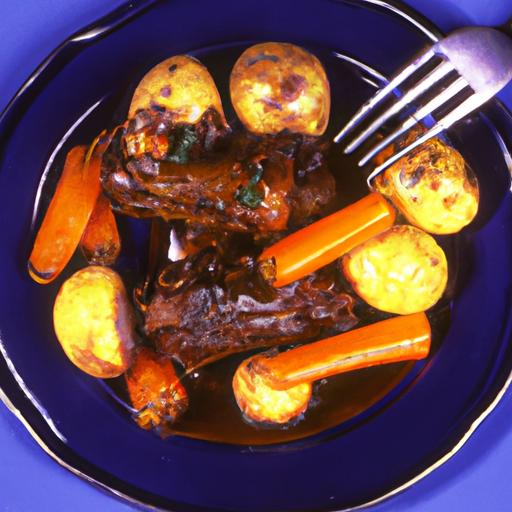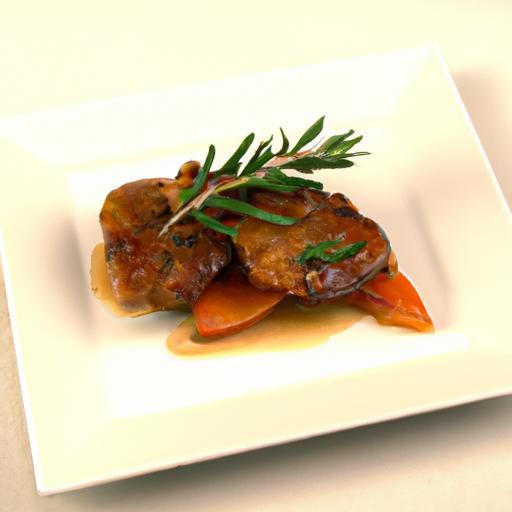

In a world where culinary trends come and go like fleeting fashions, there is a unique charm in revisiting the flavors of the past. “Timeless Tastes: Crafting Vintage Recipes with Modern Tools” invites you on a delicious journey through history’s kitchens, where recipes passed down through generations are given new life using today’s innovative gadgets and techniques. This fusion of old-world charm and contemporary convenience not only preserves the soul of classic dishes but also redefines them for the modern palate. Join us as we explore how the magic of vintage cooking can be effortlessly recreated and reimagined-proving that some tastes truly are timeless.
Timeless Tastes: Crafting Vintage Recipes with Modern Tools brings together the best of two worlds-the comforting richness of classic dishes and the efficiency and precision offered by today’s advanced kitchen technology. Imagine the aroma of a grandmother’s slow-simmered stew perfectly balanced through a state-of-the-art induction stove or the flakiest pie crust baked flawlessly using a convection oven. This synergy not only honors culinary heritage but elevates it, making nostalgia a delicious and approachable journey.
Prep and Cook Time
- Preparation: 25 minutes
- Cooking: 1 hour 15 minutes
- Total: 1 hour 40 minutes
Yield
Serves 6 hearty portions
Difficulty Level
Medium – perfect for home cooks looking to deepen their skills with classic dishes updated for modern kitchens
Essential Ingredients for Authentic Retro Recipes
- 2 lbs beef chuck, cut into 1-inch cubes, trimmed of excess fat
- 1/4 cup all-purpose flour, sifted
- 3 tablespoons unsalted butter
- 2 medium yellow onions, thinly sliced
- 3 garlic cloves, minced
- 2 cups beef broth (preferably homemade or low sodium)
- 1 cup dry red wine (optional but highly recommended)
- 2 tablespoons tomato paste
- 1 tablespoon Worcestershire sauce
- 2 teaspoons fresh thyme leaves
- 2 bay leaves
- Salt and freshly ground black pepper, to taste
- 4 medium carrots, cut into chunks
- 2 stalks celery, chopped
- 1 cup pearl onions, peeled (optional)
Step-by-Step Guide to Perfecting Old-Fashioned Dishes with Contemporary Techniques
- Pat the beef dry with paper towels, then toss with sifted flour seasoned lightly with salt and pepper. This ensures a beautiful crust when searing.
- Heat a heavy-bottomed Dutch oven on induction set to medium-high. Add butter and swirl until melted and bubbling. Sear beef cubes in batches, avoiding overcrowding, until deeply browned on all sides-approximately 4 minutes each batch.
- Remove beef to a plate. In the same pot, sauté sliced onions and garlic over medium heat until translucent and caramelized, about 8 minutes, stirring frequently.
- Deglaze with red wine, scraping up browned bits from the bottom-this adds unparalleled depth.
- Stir in tomato paste, Worcestershire sauce, thyme, and bay leaves. Return the beef to the pot along with beef broth. Bring to a gentle simmer.
- Cover and transfer to a convection oven preheated to 325°F (160°C), or reduce stovetop to low heat. Cook for 1 hour.
- Add carrots, celery, and pearl onions. Continue cooking, covered, for another 30-45 minutes until meat is tender and vegetables are soft but not mushy.
- Remove bay leaves, season with additional salt and pepper as desired. Let stew rest for 10 minutes before serving to allow flavors to meld.
Tips for Success
- Select quality beef chuck-the marbling will melt, creating luscious tenderness with modern slow-cook controls.
- Use an electric pressure cooker for a faster version: reduce total cook time to 45 minutes on high pressure with a natural release.
- For a gluten-free option, swap all-purpose flour for cornstarch mixed with water to coat the beef lightly.
- Make ahead: This stew tastes even better the next day. Refrigerate overnight and gently reheat on a low induction setting. The modern cooktop maintains perfect simmer without scorching.
- Customize the herb profile by adding rosemary or marjoram for a fragrant twist on tradition.
Serving Suggestions
Present this hearty beef stew in rustic white bowls. Garnish with freshly chopped flat-leaf parsley and a light sprinkle of cracked black pepper. Serve alongside creamy mashed potatoes or buttery crusty bread for dipping. Consider a dollop of horseradish cream on the side to add a subtle zing reminiscent of classic dinner tables.
| Nutrient | Amount (per serving) |
|---|---|
| Calories | 420 kcal |
| Protein | 38 g |
| Carbohydrates | 18 g |
| Fat | 22 g |

Explore more on classic recipe transformations in our detailed guide on Modern Kitchen Magic: Reviving Retro Recipes. For in-depth wine pairing techniques that complement this vintage beef stew, visit Wine Enthusiast.
Q&A
Q&A: Timeless Tastes – Crafting Vintage Recipes with Modern Tools
Q1: What does “Timeless Tastes” mean in the context of cooking?
A1: “Timeless Tastes” refers to the art of preserving and celebrating classic recipes that have delighted palates across generations. It’s about honoring culinary traditions while inviting nostalgia to the table, proving that good food transcends eras.
Q2: Why revisit vintage recipes today?
A2: Vintage recipes are edible history; they tell stories of culture, family, and heritage. Revisiting them reconnects us with simpler times, showcases authentic flavors, and provides a delicious counterpoint to fast, modern eating habits. Plus, they often use wholesome ingredients that can inspire healthier, mindful cooking.
Q3: How do modern kitchen tools transform vintage recipes?
A3: Modern tools add precision, efficiency, and convenience without diluting authenticity. Imagine using a digital thermometer to perfect Grandma’s roast, or a stand mixer to knead dough for age-old breads effortlessly. These innovations streamline labor-intensive steps, allowing cooks to focus on flavor and creativity.
Q4: Can vintage recipes be adapted for today’s dietary needs?
A4: Absolutely! Vintage recipes offer a flexible foundation. By swapping ingredients-like using plant-based milk or reducing sugar-home cooks can honor tradition while catering to modern nutrition preferences, allergies, or ethical choices.
Q5: What challenges do cooks face when reviving vintage recipes?
A5: Measurement standards and ingredient availability can be tricky. Early recipes often use imprecise quantities (“a pinch,” “a teacup”), and some ingredients might be rare or outdated. Modern tools help translate these into consistent results, while substitutions can keep the spirit intact.
Q6: Are there any vintage recipes that particularly benefit from modern technology?
A6: Yes! Complex desserts like soufflés and custards gain from precise temperature control with sous-vide devices or ovens with convection settings. Slow-cooked stews and braises also benefit from programmable slow cookers, enhancing tenderness without constant supervision.
Q7: How can one start their journey into crafting vintage recipes with modern tools?
A7: Begin by selecting a cherished recipe-maybe a family favorite or a classic from a cookbook. Read through it carefully, then gather the right modern tools that can aid the process. Experiment gently, embracing both tradition and innovation, and most importantly, savor the journey.
Q8: What is the ultimate reward of blending vintage recipes with modern techniques?
A8: The ultimate reward is a culinary experience that bridges past and present-pleasing the palate, honoring heritage, and creating new memories. It’s the joy of tasting history made fresh, delicious, and accessible for today’s tables.
Wrapping Up
As we bridge the gap between past and present, crafting vintage recipes with modern tools invites us to savor history in every bite while embracing the conveniences of today. These timeless tastes not only nourish our bodies but also reconnect us with stories, traditions, and flavors that have stood the test of time. So, whether you’re wielding a sleek food processor or a trusty stand mixer, remember: each modern technique is but a new brushstroke in the ongoing masterpiece of culinary heritage. Let your kitchen become a time machine, where innovation meets nostalgia, and every dish tells a delicious story.