In the heart of every authentic Jewish deli lies a humble yet extraordinary cornerstone: the rye bread. More than just a vehicle for towering pastrami or a humble schmear of cream cheese, Jewish deli rye bread carries with it a storied legacy-a timeless tradition that weaves together history, culture, and craft. From the ancient grains that have nourished generations to the hands that knead the dough with practiced care, this bread is a living testament to a culinary heritage steeped in resilience and flavor. Join us as we delve into the art and soul of crafting authentic Jewish deli rye bread, uncovering the secrets behind its distinctive tang, hearty texture, and enduring place in deli lore.
Timeless Tradition: Crafting Authentic Jewish Deli Rye Bread
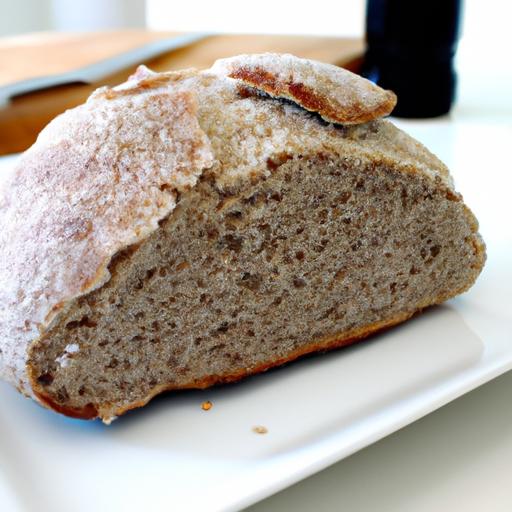
Timeless Tradition: Crafting Authentic Jewish Deli Rye Bread begins with nurturing a vibrant sourdough starter-the heart of an authentic Jewish rye loaf. This starter, paired with robust dark rye flour and fragrant caraway seeds, breathes life into the dough, creating that signature tang and depth that deli lovers cherish. The magic lies not only in the ingredients but also in mastering the slow, deliberate fermentation that develops the complex flavors and chewy crumb so beloved in Jewish rye bread.
Prep and Cook Time
- Preparation: 20 minutes (plus starter feedings and fermentation time)
- Fermentation: 12-16 hours (depending on room temperature)
- Bake: 40-45 minutes
- Total Time: Approximately 14-17 hours
Yield
One large artisan loaf, feeding 10-12 people, perfect for sandwiches or simply sliced with butter and deli pickles.
Difficulty Level
Intermediate: Some experience with sourdough and fermentation recommended, but the steps are approachable for enthusiastic bakers willing to allow time for the starter to work its magic.
Ingredients
- 150g active rye sourdough starter (refreshed and bubbly)
- 450g dark rye flour (stone-ground if possible)
- 100g bread flour
- 350ml room-temperature water
- 2 tsp fine sea salt
- 1 tbsp caraway seeds, toasted
- 1 tbsp molasses (optional, for subtle sweetness)
Instructions
- Feed Your Starter: Begin 8-12 hours before mixing by feeding your rye sourdough starter with equal parts dark rye flour and water. It should double in size and be bubbly when ready.
- Toast Caraway Seeds: Lightly toast the caraway seeds in a dry pan over medium heat until aromatic, about 2 minutes. Set aside to cool.
- Mix the Dough: In a large bowl, combine the active starter, dark rye flour, bread flour, and water. Mix gently until all flour is hydrated, then add salt, molasses, and toasted caraway seeds.
- Autolyse and Knead: Let the dough rest for 30 minutes (autolyse) to boost fermentation. Then knead gently on a floured surface for 5-7 minutes until slightly elastic but still sticky – rye dough remains softer than wheat-based dough.
- Bulk Fermentation: Place dough in a lightly oiled bowl, cover with a damp cloth, and ferment at room temperature for 10-12 hours, folding gently once halfway through.
- Shape the Loaf: Turn the dough onto a floured surface, shape into a round or oblong loaf, and place it in a banneton basket dusted with rye flour. Cover and proof for another 2 hours, or refrigerate overnight for a deeper flavor.
- Preheat the Oven: About 45 minutes before baking, preheat your oven to 240°C (460°F) with a Dutch oven or baking stone inside for heat retention.
- Score and Bake: Transfer the loaf onto parchment paper, score the top with a sharp knife or lame to allow expansion, and carefully place it in the hot Dutch oven. Bake covered for 20 minutes, then uncover and bake for 20-25 minutes more until deep mahogany brown.
- Cool Completely: Let the bread cool on a wire rack for at least 2 hours. This resting period allows the crumb to set and flavors to mature fully.
Tips for Success
- Keep your starter healthy by regularly feeding with dark rye flour for authentic flavor and vitality.
- Patience is key: The longer fermentation times develop the bread’s distinctive tang and chewy texture.
- If your dough feels too sticky, wet your hands lightly to handle it instead of adding too much flour-rye dough naturally stays moist.
- Molasses is optional but lends a subtle sweetness and a darker crust reminiscent of traditional Jewish rye loaves.
- Storage: Wrap your cooled bread tightly in a linen bag or paper, then place in a bread box or loosely in a plastic bag to maintain crust integrity for 3-4 days.
- For longer preservation, freeze whole or sliced bread wrapped in foil and sealed in a freezer bag for up to 3 months.
Serving Suggestions
Sliced thick, this Jewish deli rye bread is a perfect base for classic pastrami sandwiches with mustard and Swiss cheese. Garnish open-faced sandwiches with fresh dill sprigs or thin pickled cucumber slices for a deli-authentic finish. Alternatively, enjoy toasted with a smear of butter and a drizzle of honey for an irresistible morning treat.
| Nutrient | Per Serving (1 slice) |
|---|---|
| Calories | 180 kcal |
| Protein | 5 g |
| Carbohydrates | 35 g |
| Fat | 1.5 g |

For deeper insights on maintaining your sourdough starter, visit King Arthur Baking’s sourdough guide. Also, explore our artisanal sourdough bread recipes for more inspiration and techniques to elevate your baking craft.
Q&A
Q&A: Timeless Tradition – Crafting Authentic Jewish Deli Rye Bread
Q1: What makes Jewish deli rye bread “authentic”?
Authentic Jewish deli rye bread is more than just a loaf-it’s a living tradition. Its authenticity lies in the precise blend of hearty rye flour, a mix of caraway seeds, and a slow fermentation process often involving sourdough starter or a touch of brewer’s yeast. This combination crafts a robust, tangy flavor and dense crumb that echoes generations of New York delis and Eastern European bakers, ensuring every bite connects you with history.
Q2: How does rye flour differ from wheat flour in this recipe?
Rye flour contains less gluten than wheat flour, giving the bread its characteristic denser, moister texture. It also holds more pentosans-complex carbohydrates that absorb water and affect the bread’s chewiness. This is why Jewish deli rye has a heartier bite and a deeper, earthier flavor profile compared to traditional wheat loaves.
Q3: Why are caraway seeds a hallmark of deli rye bread?
Caraway seeds add a distinctive aromatic note-slightly sweet, citrusy, and a touch peppery-complementing the tangy bread without overpowering it. This seed has been a staple in Jewish rye baking for centuries, not just for flavor, but also for its digestive benefits, making rye bread both tasty and gentle on the stomach.
Q4: What role does fermentation play in shaping the bread’s character?
The slow fermentation process is the heart of deli rye bread. It develops the complex sour notes and dense texture that define the loaf. This can be achieved with a sourdough starter or a small addition of brewer’s yeast and sometimes a bit of mashed potatoes or barley malt syrup to nourish the yeast. The patient rise time allows flavors to deepen, creating a loaf that’s tangy, moist, and full of life.
Q5: Can home bakers recreate authentic Jewish deli rye bread, and if so, how?
Absolutely! While it does require patience and some practice, home bakers can capture the essence of deli rye by sourcing high-quality rye flour, using a sourdough starter or a reliable yeast, and incorporating caraway seeds. Key tips include letting the dough ferment slowly-often overnight-and shaping it into traditional oblong loaves with a sturdy crust. The magic lies in respecting the process and savoring the transformation of simple ingredients into a slice of heritage.
Q6: How has Jewish deli rye bread influenced culinary culture beyond the deli counter?
Jewish deli rye bread has transcended its deli roots, becoming a beloved staple in sandwich artistry worldwide. Its bold flavor pairs perfectly with smoky pastrami, creamy mustard, and tangy pickles, inspiring countless riffs-from gourmet to everyday. It also stands as a symbol of cultural resilience, carrying the tastes and stories of Jewish immigrant communities into kitchens everywhere.
Q7: What’s the best way to enjoy a freshly baked Jewish deli rye loaf?
Freshly baked rye is delightful warm, slathered with a bit of butter to highlight its earthy notes. But traditionally, it shines as the foundation of a classic deli sandwich-layered with brisket, pastrami, or corned beef, a smear of mustard, and a vinegary pickle on the side. Whether toasted or fresh, each bite offers a comforting taste of a cherished culinary legacy.
Final Thoughts
As the aroma of freshly baked rye bread fills the air, we are reminded that this humble staple is far more than just sustenance-it is a living thread woven through generations, connecting past and present with every hearty slice. Crafting authentic Jewish deli rye bread is an art steeped in tradition, patience, and a passion for preserving heritage. By embracing these time-honored methods, bakers keep alive a flavorful legacy that continues to nourish not only the body but also the soul. Whether enjoyed in a bustling deli or baked in your own kitchen, this bread remains a testament to the enduring spirit of a timeless tradition.