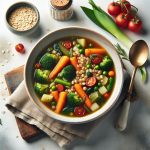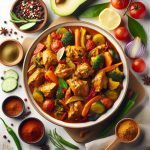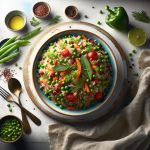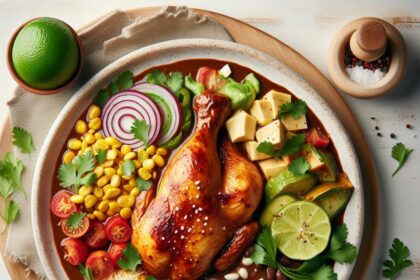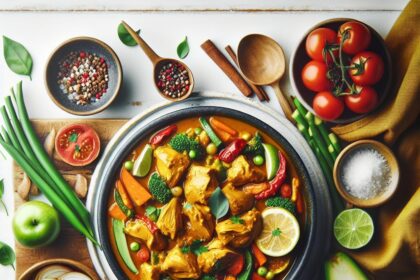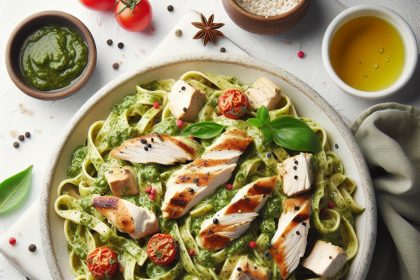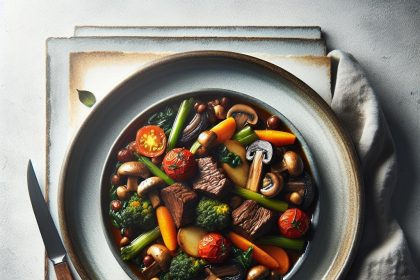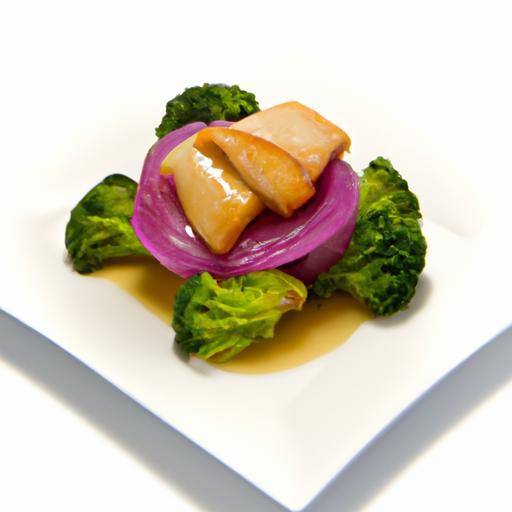

In the vibrant world of family mealtimes, the challenge is clear: how do you transform grown-up dishes into delightful bites that tiny taste buds will actually love? Welcome to “Tiny Tastes: Adapting Adult Meals for Happy Little Eaters,” where we explore the art of resizing, reimagining, and reinventing your favorite recipes into kid-friendly versions that don’t skimp on flavor or nutrition. From stripping away overwhelming spices to tweaking textures and adding a sprinkle of fun, this guide is your go-to source for turning everyday meals into joyous, mess-free moments around the table. Because when it comes to feeding little ones, it’s all about making small plates that pack big smiles.
Tiny Tastes: Adapting Adult Meals for Happy Little Eaters
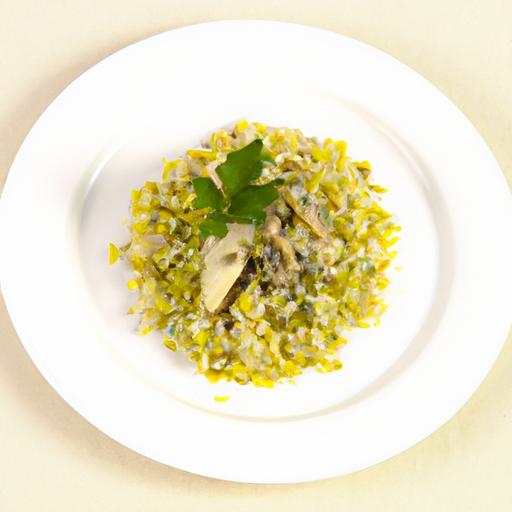
Tiny Tastes offer a delightful way to bring the rich flavors of beloved family dishes directly to your child’s plate, blending wholesome nutrition with playful presentation. This approach reimagines adult meals into kid-friendly versions by focusing on appropriate portion sizes, balanced ingredients, and fun visual accents that invite every little eater to enjoy mealtime.
Prep and Cook Time
Prep Time: 15 minutes
Cook Time: 20 minutes
Total Time: 35 minutes
Yield
Serves 4 small portions
Difficulty Level
Easy
Ingredients
- 1 cup cooked quinoa, rinsed and cooled
- 2 medium carrots, finely grated
- 1/2 cup steamed peas, lightly mashed
- 1/4 cup finely chopped spinach
- 1/3 cup shredded mild cheddar cheese
- 2 large eggs, beaten
- 1/4 cup oat flour (or finely ground oats)
- 1 teaspoon mild garlic powder
- 1/2 teaspoon smoked paprika
- Pinch of salt
- Olive oil, for cooking
Instructions
- Prepare the veggie base: In a large bowl, combine the cooked quinoa, grated carrots, mashed peas, and chopped spinach. Mix thoroughly to ensure an even distribution of veggies.
- Mix the binding ingredients: Add the shredded cheddar cheese, beaten eggs, oat flour, garlic powder, smoked paprika, and salt. Stir gently but completely, creating a moist yet firm batter. Tip: If the mixture is too wet, add a little more oat flour one tablespoon at a time.
- Heat the pan: Warm a non-stick skillet over medium heat and drizzle lightly with olive oil to prevent sticking without overwhelming delicate flavors.
- Shape tiny patties: Scoop about two tablespoons of the mixture and form small, flat circles approximately 2 inches in diameter; this creates perfect bite-sized pieces.
- Cook evenly: Place patties in the hot skillet, cooking each side for about 3-4 minutes until they turn golden brown and firm to touch. Flip carefully to maintain shape.
- Drain and cool: Transfer patties to paper towels briefly to remove excess oil.
- Serve warm: These tiny tastes pair beautifully with mild yogurt dips or fresh fruit slices for a balanced mini-meal.
Tips for Success: Tiny Tastes Elevated
- Vegetable swaps: Use finely chopped zucchini or sweet corn instead of peas for variety and colorful appeal.
- Make-ahead magic: Prepare patties in advance, freeze on a sheet tray, then transfer to freezer bags. Reheat gently in a toaster oven for busy days.
- Allergy-friendly: Substitute eggs with flaxseed “egg” (1 tablespoon flaxseed meal + 3 tablespoons water) to create a vegan-friendly binding agent.
- Flavor balancing: Keep spices light and mild-too strong a seasoning can deter sensitive palates.
Serving Suggestions
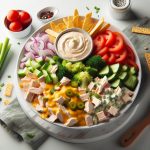
Present these mini patties like little edible treasures by arranging them on colorful plates alongside carrot stick “fingers” or cucumber slices cut with fun shapes using cookie cutters. Garnish with tiny fresh herb sprigs, like parsley or cilantro, to stimulate the eyes and nose before the first bite. Pair with a small bowl of creamy yogurt dip flecked with lemon zest for a zesty kick that’s gentle yet exciting.
| Nutrient | Amount per serving |
|---|---|
| Calories | 150 kcal |
| Protein | 7 g |
| Carbohydrates | 18 g |
| Fat | 5 g |
For a deeper dive into wholesome kid-friendly cooking, check out our Healthy Snacks for Kids guide. Additionally, the Harvard T.H. Chan School of Public Health offers excellent insights on building nutritious meals for growing children.

Q&A
Q: What is the main idea behind “Tiny Tastes”?
A: “Tiny Tastes” is all about transforming adult meals into bite-sized, toddler-friendly versions that keep little eaters happy and curious. It’s a creative approach to sharing family meals while encouraging healthy eating habits from an early age.
Q: Why not just give children separate meals instead of adapting adult food?
A: Adapting adult meals simplifies family mealtime by creating a unified menu that suits everyone’s tastes and nutritional needs. It helps children feel included and introduces them to the flavors and textures the whole family enjoys, making mealtime less of a battle and more of a bonding experience.
Q: How can busy parents quickly adapt adult meals for toddlers?
A: Think small and simple! Dice vegetables and proteins into tiny, manageable portions, swap out spices that are too strong for gentler alternatives, and use cooking methods like steaming or baking to keep textures soft. Preparing a little extra at dinner can mean easy leftovers the next day, saving time and stress.
Q: What are some examples of adult meals that adapt well for toddlers?
A: Classic spaghetti bolognese can be served with finely chopped veggies and softer pasta shapes. Stir-fries are perfect for tiny tastes if the ingredients are chopped small and sauces are mild. Mild curries with coconut milk and soft vegetables also make nourishing and flavorful toddler-friendly dishes.
Q: How do you ensure nutritional balance in adapted meals?
A: Focus on including all food groups by mixing lean proteins, colorful veggies, whole grains, and healthy fats. Keep portions small but diverse to expose little palates to a broad spectrum of nutrients. Remember, tiny tastes are about variety and exposure as much as volume.
Q: What if my child is a picky eater and rejects adapted adult meals?
A: Patience and creativity are key! Present foods in fun shapes, involve your child in meal prep, and introduce new flavors gradually alongside familiar favorites. Sometimes, it’s about planting seeds of curiosity rather than expecting instant acceptance.
Q: Can “Tiny Tastes” help children develop lifelong healthy eating habits?
A: Absolutely! Early exposure to a variety of flavors and textures encourages adventurous eating later in life. Sharing meals as a family builds positive associations with food, turning mealtime into an enjoyable experience rather than a chore.
Q: Are there safety tips to consider when adapting adult meals for toddlers?
A: Yes! Avoid choking hazards by ensuring all food is cut into appropriately small, soft pieces. Skip ingredients like whole nuts, spicy sauces, and excessive salt. Always supervise mealtime and encourage slow, mindful eating.
Q: How do cultural or dietary preferences fit into “Tiny Tastes”?
A: “Tiny Tastes” celebrates diversity! Adapt meals to suit cultural flavors and family traditions while tailoring texture and portion size for little ones. Whether it’s a mild miso soup or quinoa salad, there are endless ways to honor your heritage in toddler-friendly dishes.
Q: Where can parents find inspiration for adapting adult meals?
A: Cookbooks and blogs dedicated to family meals, social media accounts of creative parents, and even meal prep apps can spark ideas. Most importantly, experiment with your favorite recipes-sometimes the best tiny tastes come from happy kitchen play and a sprinkle of imagination.
In Retrospect
As we navigate the joyful journey of introducing little ones to the world of flavors, adapting adult meals into tiny tastes becomes both an art and a loving science. By thoughtfully resizing, softening textures, and balancing flavors, we invite happy little eaters to explore mealtime with curiosity and delight. Remember, it’s not just about nourishing growing bodies-it’s about cultivating confident palates and shared moments around the table. So, next time you’re preparing dinner, think small, think simple, and watch as those tiny tastes turn into big smiles.