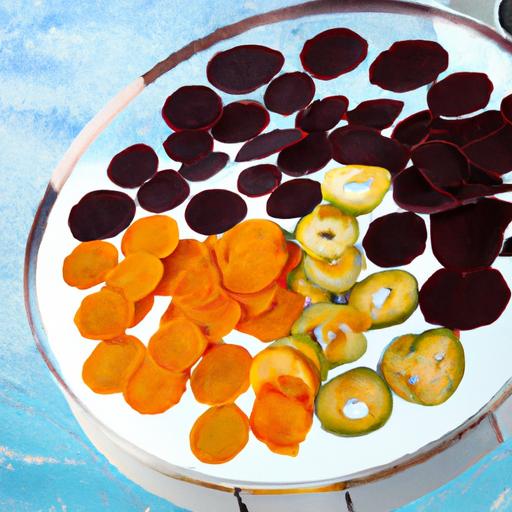
There’s an art to transforming simple slices of fruit and strips of seasoned meat into delicious, chewy treasures that last. Whether you’re a seasoned snack crafter or a curious newcomer, mastering the perfect fruit leather and jerky starts with one essential tool: the dehydrator. But with countless models boasting an array of features, finding the ideal dehydrator can feel like navigating a tasty labyrinth. In this article, we peel back the layers to reveal the top dehydrators designed to elevate your fruit leather and jerky crafting-helping you achieve that perfect balance of flavor, texture, and preservation with every bite.
Top Dehydrators for Perfect Fruit Leather & Jerky Crafting
Top dehydrators for perfect fruit leather & jerky crafting unlock a world of flavor and texture mastery right in your kitchen. Whether you’re craving the tangy chew of homemade jerky or the sweet, pliable delight of fruit leather, choosing the right dehydrator model is key to achieving professional results with ease. From capacity to temperature precision, these versatile appliances allow you to craft nutritious, preservative-free snacks customized to your tastes.
Prep and Cook Time
- Preparation: 15-20 minutes
- Drying: 4-12 hours (depending on ingredient and thickness)
Yield
Yields approximately 6-8 servings of fruit leather or 3-4 servings of jerky, depending on thickness and size.
Difficulty Level
Easy to Medium – perfect for beginners and seasoned pros alike looking to refine their snack-making skills.
Ingredients
- For Fruit Leather:
- 4 cups ripe fruit puree (e.g., mango, strawberry, or mixed berries)
- 2 tablespoons honey or maple syrup (optional, for sweetness)
- 1 teaspoon lemon juice (to preserve color and add zest)
- For Jerky:
- 1 lb lean beef or turkey, sliced thinly against the grain
- 1/4 cup soy sauce
- 1 tablespoon Worcestershire sauce
- 1 teaspoon smoked paprika
- 1/2 teaspoon garlic powder
- 1/2 teaspoon black pepper
- 1 teaspoon liquid smoke (optional, for smoky flavor)
Instructions
- Prepare the Fruit Leather Mix: In a blender, combine the fruit puree with lemon juice and sweetener if using. Blend until smooth and uniform in texture.
- Pour & Spread: Line dehydrator trays with non-stick sheets. Pour the fruit mixture evenly, spreading it into a thin, consistent layer about 1/8-inch thick to ensure even drying.
- Marinate the Jerky: Mix soy sauce, Worcestershire sauce, smoked paprika, garlic powder, black pepper, and liquid smoke in a bowl. Add meat slices and marinate for 4-6 hours or overnight in the fridge.
- Arrange Meat: Place marinated meat slices on dehydrator racks without overlapping to allow proper airflow.
- Set the Temperature: For fruit leather, set dehydrator to 135°F (57°C); for jerky, set to 160°F (71°C) for safety.
- Drying: Dry fruit leather for 4-6 hours or until pliable yet firm; jerky takes 6-12 hours, depending on thickness. Flip jerky halfway for even drying.
- Test for Doneness: Fruit leather should peel easily from the sheet without sticking; jerky should be firm and bend without breaking.
- Storage: Once cool, roll fruit leather with parchment paper for easy serving. Store jerky in airtight containers or vacuum-sealed bags.
Tips for Success with Top Dehydrators for Perfect Fruit Leather & Jerky Crafting
- Temperature Control Matters: Precise thermostats in your dehydrator ensure safe drying for jerky while retaining nutrients and color in fruit leather.
- Tray Capacity & Design: Look for stackable trays with good airflow-this impacts drying speed and uniformity, especially when experimenting with different thicknesses and textures.
- Prepping Ingredients: Pat jerky slices dry before marinating to improve flavor absorption, and strain fruit puree to avoid seed bumps in your leather.
- Rotate and Flip: Rotating trays or flipping food halfway during the drying process helps prevent uneven drying or soggy spots.
- Start Thin: Thinner layers dry faster and more evenly; for fruit leather, keep it around 1/8 inch thick, and for jerky, slice meat uniformly thin but not translucently.
Serving Suggestions
Present fruit leather strips rolled up in parchment for vibrant, colorful snack packs-perfect for lunchboxes or on-the-go treats. Garnish jerky with a sprinkle of fresh cracked pepper or pair with a spicy dipping sauce or a mild cheese platter to elevate the savory experience. A rustic wooden board with fresh herbs complements homemade jerky beautifully, turning snack time into a gourmet moment.
| Nutrient | Fruit Leather (per serving) | Jerky (per serving) |
|---|---|---|
| Calories | 120 | 150 |
| Protein | 1g | 23g |
| Carbohydrates | 30g | 5g |
| Fat | 0g | 3g |
Curious about how top dehydrators optimize fruit leather and jerky crafting? Explore our comprehensive guide to best food dehydrator models for detailed specifications. For food safety insights on drying meat at home, visit the USDA Food Safety and Inspection Service.

Q&A
Q&A: Top Dehydrators for Perfect Fruit Leather & Jerky Crafting
Q1: Why is having a good dehydrator essential for making fruit leather and jerky?
A1: A quality dehydrator ensures even drying, preserving flavors while maintaining ideal texture. Whether you’re crafting tangy fruit leather or savory jerky, precise temperature control and airflow prevent over-drying or spoilage, resulting in that perfect chew every time.
Q2: What features should I look for in a dehydrator aimed at fruit leather and jerky crafting?
A2: Key features include adjustable temperature settings (usually between 95°F and 160°F), a timer for hands-off drying, even air circulation to avoid uneven spots, and plenty of drying space. Removable trays are a bonus for easy cleaning and versatility.
Q3: Can I use a regular oven instead of a dehydrator for fruit leather or jerky?
A3: While ovens can work in a pinch, they lack the controlled airflow and consistent low heat of dehydrators. This can lead to uneven drying, longer wait times, or even cooking rather than dehydrating. For best results and ease, a dedicated dehydrator is highly recommended.
Q4: How long does it typically take to dehydrate fruit leather and jerky?
A4: Fruit leather generally needs 4 to 8 hours depending on thickness and fruit moisture, while jerky dries in about 6 to 12 hours depending on meat type and cut. Proper temperature and airflow settings can shorten these times without sacrificing quality.
Q5: Are there dehydrators better suited for beginners versus pros?
A5: Absolutely! Entry-level dehydrators often feature preset temperature controls and simpler designs, making them user-friendly starters. Advanced models offer precise digital controls, larger capacity, and more consistent results-perfect for seasoned jerky artisans and fruit leather makers.
Q6: How important is tray design in a dehydrator?
A6: Tray design matters a lot. Mesh trays are ideal for sticky fruit leathers, preventing sticking without paper, while solid trays are great for jerky slices. Stackable trays maximize drying space but removable trays let you customize layout for different projects.
Q7: Can I dehydrate other things besides fruit leather and jerky?
A7: Definitely! Dehydrators are versatile kitchen tools perfect for drying herbs, vegetables, nuts, seeds, and even making crispy chips. Investing in a top dehydrator opens up a world of flavorful DIY snacks beyond just fruit leather and jerky.
Q8: What are the best brands or models for making fruit leather and jerky?
A8: Some fan favorites include the Excalibur 9-Tray for its large capacity and even drying, Nesco Snackmaster for budget-conscious beginners, and Tribest Sedona for precise digital controls. Each offers unique strengths depending on your crafting needs.
Q9: How do I maintain my dehydrator for optimal performance?
A9: Regularly clean trays with warm soapy water, avoid using harsh chemicals, and ensure the fan and heating elements are dust-free. Store it in a dry place, and periodically check seals and cords. Proper maintenance extends lifespan and keeps your jerky and fruit leather tasting fresh.
Q10: Any insider tips for achieving fruit leather and jerky perfection?
A10: Thin, even spreading of fruit purees prevents uneven drying. For jerky, marinate overnight for deep flavor and slice meat uniformly for consistent texture. Always use parchment or non-stick sheets when needed, and don’t rush the drying process-patience is key to snack nirvana!
This Q&A highlights what makes a dehydrator the right partner to craft delicious fruit leather and jerky, blending practical advice with spirited enthusiasm to empower your next culinary adventure.
To Wrap It Up
Crafting the perfect fruit leather or jerky is truly an art-and with the right dehydrator by your side, it becomes an easy, rewarding adventure. Whether you’re a seasoned snack crafter or just dipping your toes into the world of homemade treats, choosing a reliable, efficient dehydrator is the key to unlocking flavors that are both vibrant and wonderfully preserved. From sleek models boasting precise temperature controls to spacious units designed for batch crafting, the options highlighted here offer something for every enthusiast. So, gear up, pick your perfect machine, and get ready to transform fresh fruits and savory meats into delicious, shelf-stable masterpieces that will delight your taste buds-and impress your friends. Happy drying!