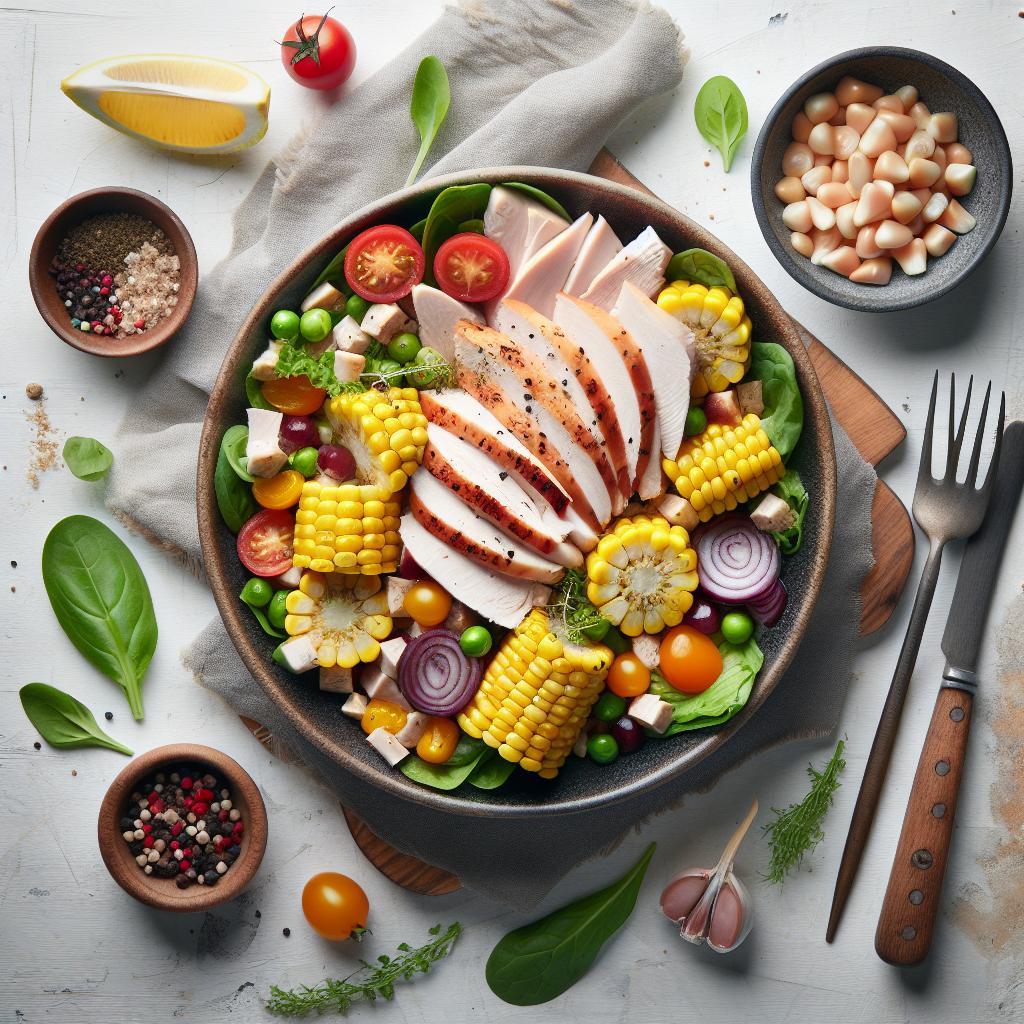

In the vibrant tapestry of nature’s botanical wonders, Turkey Corn stands out as a striking marvel-an imaginative blend of colors and textures that captivates the eye and sparks curiosity. Resembling tiny kernels of paint spilled across tangled vines, this unassuming plant weaves a story of resilience, beauty, and ecological intrigue. Beneath its playful appearance lies a fascinating tale of adaptation, symbolism, and utility. Join us as we explore Turkey Corn: nature’s curious blend of colors and texture that transforms a simple vine into a living work of art.
Turkey Corn’s Vibrant Palette Explored: A Delicious Homage to Autumn’s Finest
Turkey Corn: Nature’s Curious Blend of Colors and Texture serves as an inspiring starting point to explore the extraordinary visual and textural charm of this unique maize variety through an edible creation. Renowned for its kaleidoscopic kernels that weave reds, yellows, and deep ambers together, turkey corn offers more than mere decoration; its robust texture and subtly sweet flavor profile bring hearty, rustic charm to autumn dishes. This recipe honors turkey corn’s heritage, inviting home cooks to celebrate its colorful bounty in a dish that’s as satisfying to prepare as it is to savor.
Prep and Cook Time
- Preparation: 20 minutes
- Cooking: 30 minutes
- Total: 50 minutes
Yield
- Serves 6 generous portions
Difficulty Level
- Medium – approachable for those comfortable with multi-step recipes
Ingredients
- 2 cups turkey corn kernels, fresh or thawed from frozen
- 1 cup butternut squash, diced (for added autumn sweetness)
- 1 medium yellow onion, diced
- 3 cloves garlic, minced
- 2 tablespoons olive oil
- 1 teaspoon smoked paprika
- 1/2 teaspoon ground cumin
- Salt and freshly ground black pepper, to taste
- 1/2 cup vegetable broth
- 1/3 cup fresh cilantro, chopped
- 1 medium lime, juiced
- 1/4 cup toasted pepitas (pumpkin seeds), for garnish
Instructions
- Prepare the turkey corn kernels. If using fresh, carefully shuck the ears and remove kernels using a sharp knife. Frozen turkey corn should be thawed and drained. This ensures the vibrant colors and unique textures will shine in the dish.
- Sauté aromatics. In a large skillet, heat the olive oil over medium heat. Add diced onion and cook until translucent, about 5 minutes. Stir in minced garlic and cook for an additional minute until fragrant.
- Add the diced butternut squash. Stir to combine and cook for about 7 minutes, allowing it to soften without losing form.
- Incorporate turkey corn kernels. Add them to the skillet along with smoked paprika, cumin, salt, and pepper. Toss well to coat all ingredients evenly with spices, allowing the kaleidoscope of colors to mingle.
- Pour in vegetable broth. Reduce heat to low, cover, and simmer gently for 10-15 minutes. This helps infuse flavors and tenderizes the squash and kernels without sacrificing the delightful chewaterss turkey corn is known for.
- Finish with fresh lime juice and cilantro. Lift the lid and stir in fresh lime juice and chopped cilantro to brighten the dish.
- Serve and garnish. Plate the dish in a warm serving bowl and sprinkle toasted pepitas on top for crunch and an added nutty layer.
Chef’s Notes & Tips for Success
- Spice Variations: Swap smoked paprika for chipotle powder if you prefer smoky heat or mild chili powder for a subtler touch.
- Texture Balance: Maintain slight firmness in turkey corn kernels by not overcooking. Their unique texture is the highlight, bridging crunchy and tender.
- Make Ahead: This dish can be prepared a day in advance; gently reheat in a skillet with a splash of vegetable broth to revive moisture.
- Substitutions: Butternut squash may be replaced by sweet potatoes or carrots for a similar sweet and colorful effect.
- Serving Tip: For a heartier meal, serve atop creamy polenta, quinoa, or alongside roasted root vegetables.
Serving Suggestions
Best enjoyed warm, this colorful turkey corn medley lends itself beautifully to festive autumnal tables. Consider serving it in rustic earthenware bowls that complement its vivid colors. Garnish with additional fresh cilantro sprigs and a wedge of lime on the side to enhance the citrus brightness. For added elegance, pair with a side of roasted Brussels sprouts or a crisp apple and fennel salad. This dish also makes a striking stuffing base for roasted acorn squash halves, adding a visual and textural contrast that celebrates turkey corn’s distinctive character.
| Nutrient | Per Serving |
|---|---|
| Calories | 180 kcal |
| Protein | 5 g |
| Carbohydrates | 34 g |
| Fat | 4 g |

Explore how cultivating turkey corn can turn your garden into a living canvas while inspiring culinary adventures. For further inspiration on heirloom grains and colorful recipes, visit our Heirloom Grains Guide or learn more about native corn varieties from AgriFood Research Institute.
Q&A
Q: What exactly is turkey corn, and why does it capture so much attention?
A: Turkey corn is a fascinating variety of ornamental corn known for its stunning blend of colors and unique textures. Unlike typical yellow corn, turkey corn displays a kaleidoscope of deep reds, purples, oranges, and creamy whites-all packed onto kernels that appear almost jewel-like. Its visual richness is what makes it a favorite for autumn decorations and natural art.
Q: How did turkey corn get its name?
A: The name “turkey corn” comes from the brilliant array of colors resembling the vibrant plumage of a wild turkey. Just as a turkey’s feathers show an extraordinary blend of shades and patterns, the kernels of turkey corn mimic this eye-catching spread, making it a naturally beautiful and thematic crop for harvest season.
Q: What makes the texture of turkey corn unique compared to regular corn?
A: Beyond its colors, turkey corn boasts two distinct kernel textures: some are smooth and shiny, while others sport a rough, almost warty surface. This textural contrast adds a tactile dimension that makes turkey corn intriguing not just to behold visually but also to touch, making it a popular choice for crafting and sensory experiences.
Q: Can turkey corn be eaten, or is it mainly for decorative use?
A: Turkey corn is primarily grown for ornamental purposes, especially for fall displays and rustic décor. While it can technically be ground into cornmeal or used for popping, the kernels tend to be harder and less sweet than commercial eating varieties, so it’s not usually sought after for culinary dishes in fresh form.
Q: How is turkey corn cultivated? Does it require any special care?
A: Growing turkey corn is similar to other field corns; it thrives in well-drained soil with plenty of sunlight. Farmers and gardeners simply need to plant it with the same care as conventional corn, but the unique color patterns come from heirloom seed varieties. Because the kernels develop their striking hues as they mature, patience is key to reaping the full visual benefit.
Q: What cultural or historical significance does turkey corn hold?
A: Historically, multi-colored corn varieties like turkey corn were cherished by indigenous cultures in North America, symbolizing abundance and the diverse gifts of the Earth. These colorful corns were used in seasonal rituals, storytelling, and as a reminder of nature’s artistry and bounty.
Q: How can turkey corn be incorporated into home décor or crafts?
A: Turkey corn is a natural superstar for autumnal displays. Its varied colors and textures make it perfect for wreaths, centerpieces, or dried floral arrangements. Pieces of turkey corn also inspire textured mosaics or tactile art projects, adding a rustic and earthy charm to any creative endeavor.
Q: Does turkey corn have any ecological benefits?
A: Like other open-pollinated corn varieties, turkey corn supports biodiversity by preserving genetic variety. Its cultivation encourages seed saving traditions and sustainable farming practices, helping maintain agricultural heritage and resilience in the face of changing environmental conditions.
Q: Is turkey corn widely available, and where might one find it?
A: Turkey corn seeds and dried ears are commonly available at garden centers, farmers markets, and specialty seed exchanges, especially in the fall. Its popularity as a decorative piece ensures it can be found in many craft stores during the harvest season, bringing a touch of natural splendor to homes around the world.
Insights and Conclusions
As we peel back the layers of the turkey corn’s vibrant kernels, we uncover more than just a feast for the eyes-it’s a testament to nature’s playful artistry. This curious blend of colors and textures tells a story of heritage, biodiversity, and the timeless dance between cultivation and curiosity. Whether admired on a rustic autumn table or studied in a botanical garden, turkey corn invites us to appreciate the subtle wonders hidden in the ordinary. In its kaleidoscopic husks, we find a reminder that nature’s palette is as boundless as our imagination, waiting to be explored kernel by kernel.