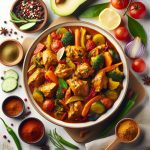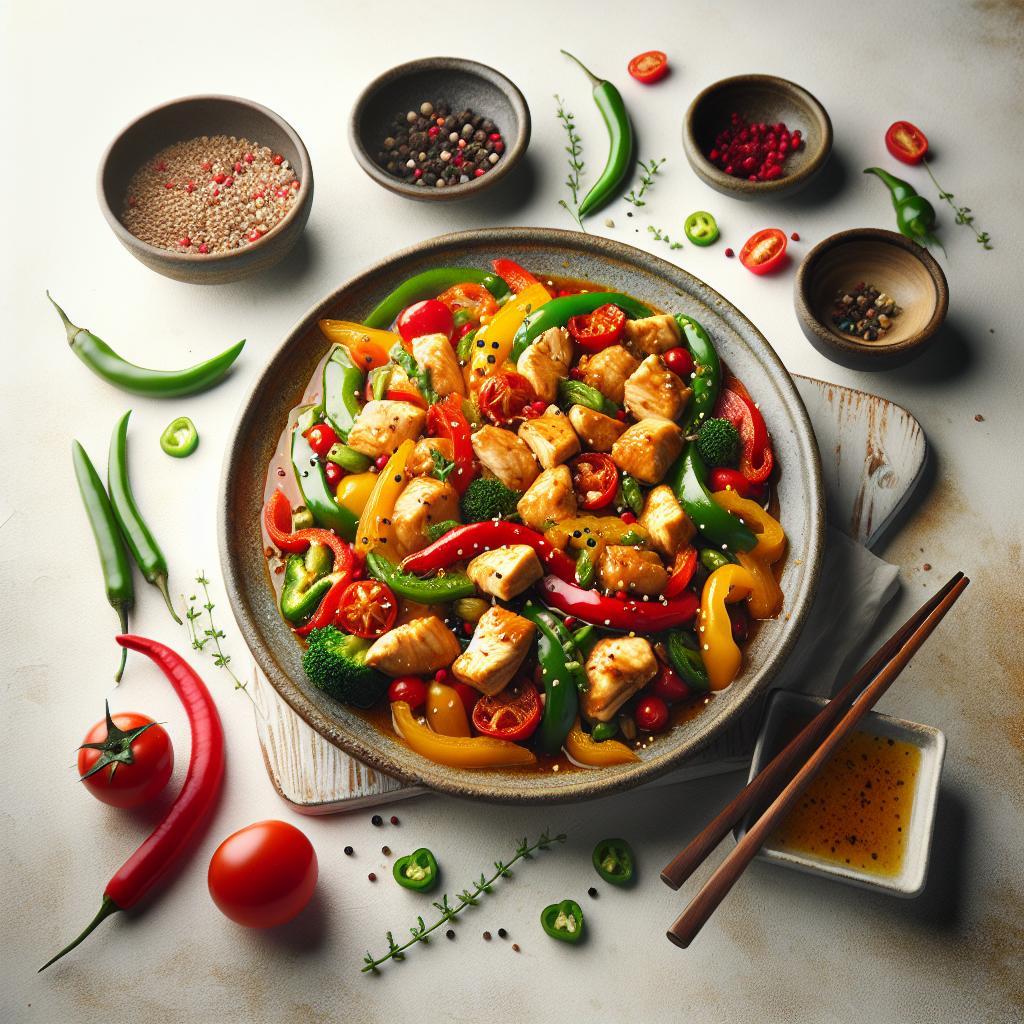

In kitchens across the globe, few dishes capture the harmony of spice and savor quite like chicken pepper. This culinary classic is more than just a meal-it’s an experience that teases the senses, balancing fiery heat with tender, juicy meat. But what if unlocking the true depth of flavor in chicken pepper is both an art form and a precise science? From the careful selection of spices to the secrets of perfect marination and cooking techniques, this article dives into the vibrant world where tradition meets innovation. Join us as we explore how mastering chicken pepper transforms simple ingredients into a symphony of taste, revealing the dynamic interplay of flavor, texture, and aroma that has captivated food lovers for generations.
Unlocking Flavor: The Art and Science of Chicken Pepper invites you on an aromatic journey through the captivating world of pepper varieties that elevate simple chicken into a culinary masterpiece. From the sharp zing of Tellicherry black peppercorns to the fruity depth of pink peppercorns, understanding pepper’s diverse personalities transforms your cooking approach, ensuring every bite bursts with a symphony of flavors. This dish, inspired by vibrant street food stalls and refined kitchens alike, celebrates pepper’s ability to balance heat and fragrance while coaxing tender juiciness from chicken with perfectly tenderizing marinades.
Prep and Cook Time
- Preparation: 20 minutes
- Marinating: 2 hours (minimum)
- Cooking: 25 minutes
- Total: Approximately 3 hours including marination
Yield
Serves 4 generous portions
Difficulty Level
Medium – Perfect for anyone ready to experiment with spices and master juicy, tender chicken pepper dishes
Ingredients
- 1 kg chicken thighs, bone-in and skin on for maximum flavor
- 2 tbsp cracked Tellicherry black peppercorns
- 1 tsp pink peppercorns, lightly crushed
- 1 tsp white pepper powder
- 4 cloves garlic, finely chopped
- 1 inch fresh ginger, grated
- 1 tbsp soy sauce (or tamari for gluten-free)
- 2 tbsp freshly squeezed lime juice
- 2 tbsp olive oil, plus extra for cooking
- 1 tsp honey or maple syrup
- 1 tsp smoked paprika
- 1/4 cup fresh cilantro, chopped (for garnish)
- Salt to taste
Instructions
- Prepare the Marinade: In a mixing bowl, combine the cracked Tellicherry black peppercorns, pink peppercorns, white pepper powder, garlic, ginger, soy sauce, lime juice, olive oil, honey, smoked paprika, and salt. Whisk until the mixture is well emulsified.
- Marinate the Chicken: Add the chicken thighs to the marinade, ensuring each piece is generously coated. Cover and refrigerate for at least 2 hours or overnight to deepen the flavors and tenderize the meat.
- Preheat the Pan: Heat a heavy-bottomed skillet or cast iron pan over medium-high heat. Add a drizzle of olive oil and allow it to shimmer before adding chicken.
- Sear the Chicken: Place marinated chicken thighs skin-side down. Sauté until the skin turns golden brown and crisp, about 6-8 minutes. Flip and cook the other side for 5 minutes.
- Simmer to Finish Cooking: Reduce heat to medium-low, cover the pan, and cook for an additional 10 minutes until the internal temperature reaches 75°C (165°F). This step locks in moisture and lets peppercorn flavors infuse deeply without burning.
- Rest the Chicken: Remove from heat, transfer to a plate, and let rest for 5 minutes. Resting allows juices to redistribute, creating tender, juicy bites bursting with balanced spice.
- Serve and Garnish: Plate the chicken thighs and sprinkle with fresh chopped cilantro. For an elegant touch, add a light crack of black pepper on top just before serving for that fresh aromatic punch.
Tips for Success
- Heat Control: Balance the pepper’s heat by adjusting the amount and type; for milder heat, omit white pepper and reduce black pepper.
- Marinate Longer: Overnight marination yields more tender, deeply flavored chicken.
- Substitutions: Use chicken breasts if preferred, but reduce simmer time and watch closely to avoid dryness.
- Enhance Aromatics: Add a small pinch of ground cardamom or star anise in the marinade for a subtle complexity.
- Make-Ahead: Cooked chicken can be stored covered in the fridge up to 2 days. Reheat gently to preserve juiciness.
Serving Suggestions
This pepper-kissed chicken pairs beautifully with steamed jasmine rice or a creamy coconut-lime quinoa to mellow pepper’s sharpness. For a refreshing contrast, complement with a crisp cucumber and mint salad dressed lightly in lemon juice and olive oil.
Visually, serve the chicken garnished with vibrant cilantro sprigs and a scattering of pink peppercorns for pops of color. A wedge of lime on the side beckons diners to add a final zesty spark. For a touch of elegance, drizzle with a subtle garlic infused olive oil just before serving.
| Nutrient | Per Serving |
|---|---|
| Calories | 320 kcal |
| Protein | 38 g |
| Carbohydrates | 4 g |
| Fat | 16 g |

For a deeper dive into spice blending techniques, be sure to explore our Ultimate Guide to Spice Blends. To learn more about the health benefits of black pepper, visit Healthline.
Q&A
Q&A: Unlocking Flavor: The Art and Science of Chicken Pepper
Q1: What makes Chicken Pepper a uniquely flavorful dish?
A1: Chicken Pepper combines the bold punch of freshly cracked black pepper with tender chicken, creating a vibrant harmony of spice and savory richness. The interplay of heat from the peppercorns and the natural umami of the chicken forms an exhilarating taste experience that lingers pleasantly on the palate.
Q2: How does the type of pepper influence the final flavor of Chicken Pepper?
A2: Different pepper varieties bring distinct flavors-black pepper offers a smoky warmth, white pepper provides a subtle earthiness, and green pepper delivers a fresh, fruity zest. Selecting the right pepper or combining a few can elevate the dish, adding layers of complexity and aroma that transform a simple meal into an extraordinary culinary adventure.
Q3: What cooking techniques help maximize the flavor in Chicken Pepper?
A3: High-heat searing locks in juices while toasting peppercorns lightly releases their essential oils, intensifying flavor. Marinating the chicken with cracked pepper and aromatics allows deeper infusion. Finishing with a pepper-infused sauce or glaze ties the dish together, ensuring each bite bursts with piquant delight.
Q4: Are there specific herbs or spices that pair well with pepper in this dish?
A4: Yes! Aromatics like garlic, ginger, and shallots amplify savory notes, while herbs such as thyme, rosemary, or cilantro add fresh, fragrant layers. A hint of citrus zest can brighten the pepper’s heat, creating a balanced contrast that enchantingly rounds out the flavor profile.
Q5: Can natural umami boosters enhance Chicken Pepper without overpowering it?
A5: Absolutely. Ingredients like mushroom powder, soy sauce alternatives, or slow-cooked caramelized onions can deepen savoriness. Used thoughtfully, they complement the pepper’s sharpness, creating a rich and satisfying dish without overshadowing the star spice.
Q6: What are some creative serving suggestions for Chicken Pepper?
A6: Serve Chicken Pepper over fragrant jasmine rice or creamy mashed potatoes to soak up the peppery sauce. Pair with roasted seasonal vegetables or crisp greens for textural contrast. For a modern twist, consider crunchy lettuce wraps or flatbreads that allow each bite to dance with peppery spice and fresh accompaniments.
Q7: How does understanding the science behind pepper help home cooks master this dish?
A7: Knowing that pepper’s piquancy comes from a chemical called piperine guides how to use it-too much heat or overcooking can dull its vibrant flavor. Freshly cracked pepper releases volatile oils that can dissipate quickly, so adding it at strategic points during cooking preserves its brightness, producing a dish that sings with aromatic intensity.
Q8: Is Chicken Pepper suitable for all seasons?
A8: Definitely. Its warm, peppery kick warms chilly winter nights, while bright citrus and herbs can lighten it for spring and summer dining. The dish’s versatility means it can comfort or invigorate, adapting beautifully to seasonal produce and evolving taste preferences.
Q9: How can one balance heat and flavor when cooking Chicken Pepper?
A9: Balancing heat involves layering flavors-starting with moderate amounts of pepper and building up, incorporating cooling elements like yogurt-based sauces or cucumber salads. The goal is a harmonious dish where spice complements rather than overwhelms, inviting both adventurous eaters and those new to pepper’s spirited bite.
Q10: What is the cultural significance of pepper in chicken dishes globally?
A10: Pepper has been prized for centuries as a symbol of warmth and exotic luxury, often featured in cherished recipes across Asia, Africa, and Europe. In chicken dishes, it acts as a universal flavor bridge-uniting diverse culinary traditions with its distinctive spark and transforming simple poultry into a celebration of taste and history.
To Conclude
As we close this flavorful journey into the art and science of chicken pepper, one truth stands clear: the magic lies not just in the ingredients, but in the harmony of technique and intuition. Unlocking the bold, peppery essence requires a delicate balance-where fiery spices meet tender poultry, and tradition dances with innovation. Whether you’re a seasoned chef or a home cook eager to ignite your palate, mastering chicken pepper opens a gateway to endless culinary exploration. So next time you season and sizzle, remember – you’re not just preparing a meal; you’re unlocking a world of vibrant taste and captivating possibilities.