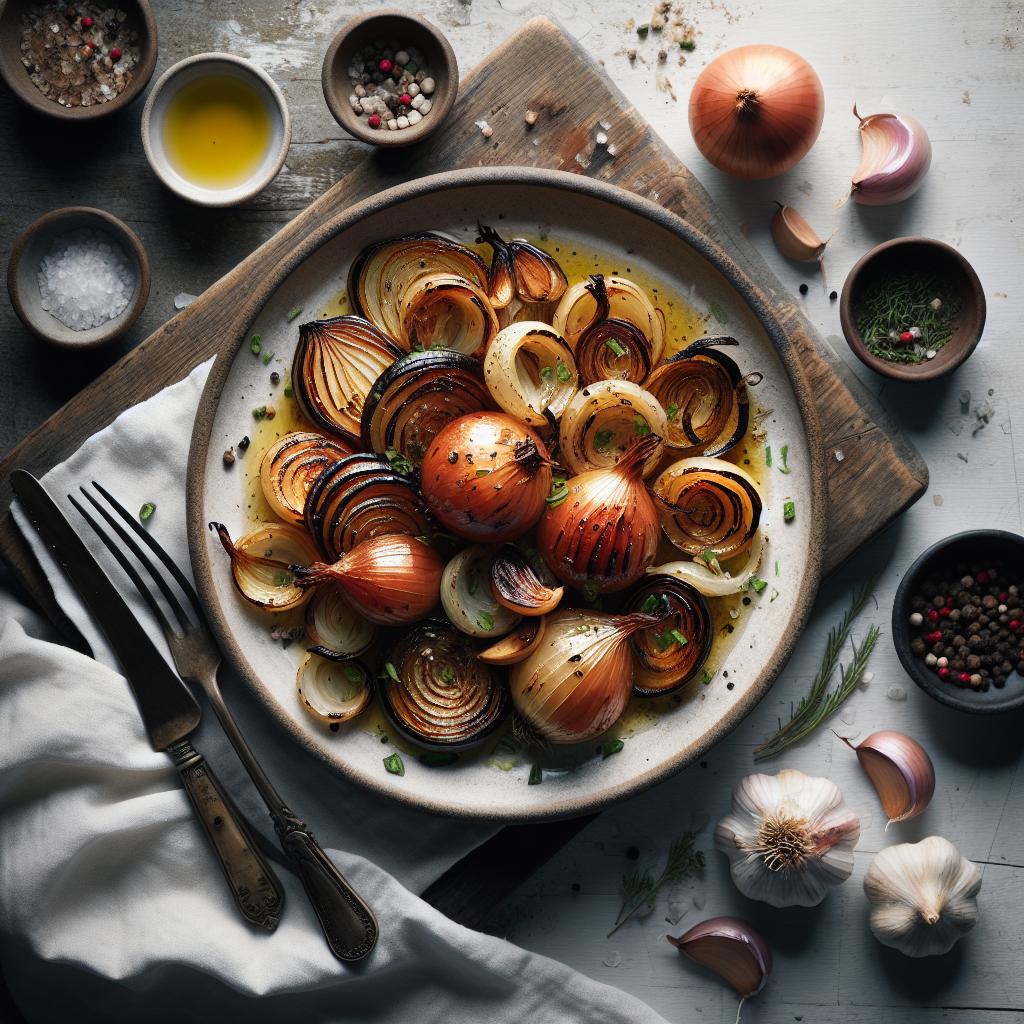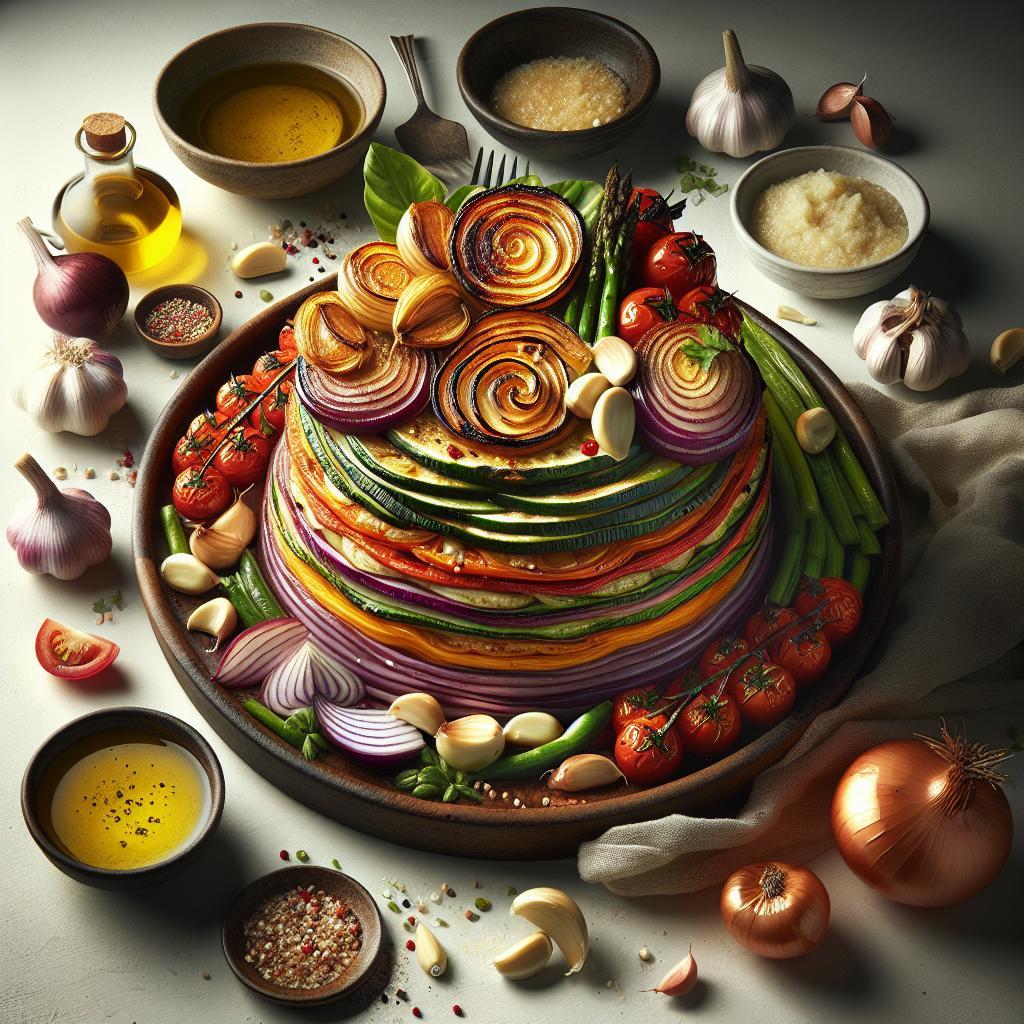

In the world of culinary magic, few ingredients wield as much transformative power as roasted onion and garlic. When gently roasted, these humble bulbs shed their sharp edges and emerge as golden treasures-imbued with a deep, caramelized sweetness and an irresistible, mellow richness. Unlocking their hidden flavors is not just a cooking technique; it’s an art form that elevates everyday dishes into extraordinary experiences. In this article, we journey into the alchemy of roasting, exploring how time, temperature, and a touch of patience awaken the full, soulful essence of onion and garlic, turning simple kitchen staples into the heart and soul of unforgettable meals.
Unlocking Flavor: Mastering Temperature and Timing for Optimal Caramelization
Unlocking flavor starts with understanding the chemistry that transforms everyday onions and garlic into golden, caramelized jewels of taste. When roasted correctly, these aromatics develop an irresistibly sweet depth, thanks to the Maillard reaction and natural sugars breaking down gently under controlled heat. Achieving that perfect balance rests on mastering the temperature and timing-too high, and bitterness creeps in; too low, and the flavors won’t fully develop.
Prep and Cook Time
- Preparation: 10 minutes
- Roasting: 40-50 minutes
- Total Time: 1 hour
Yield
Yields aromatic roasted onion and garlic perfect as a condiment or ingredient for 4 servings.
Difficulty Level
Easy to Medium – requires attention but no specialized skills.
Ingredients
- 2 large yellow onions, peeled, halved
- 1 whole bulb garlic, top trimmed to expose cloves
- 3 tablespoons extra virgin olive oil
- 1 teaspoon sea salt
- ½ teaspoon freshly ground black pepper
- Fresh thyme sprigs (optional, for aroma)
Instructions
- Preheat your oven to 400°F (205°C). This temperature develops optimal caramelization while avoiding burning.
- Place the onion halves and garlic bulb on a baking sheet, cut side up. Drizzle olive oil evenly over them.
- Sprinkle with sea salt and black pepper, then tuck a few thyme sprigs around for herbal warmth.
- Roast in the oven for 40-50 minutes, turning the onions halfway. The garlic should become soft and golden, while onions turn translucent with deep caramel notes.
- Check doneness by inserting a knife into the garlic cloves-they should whisk out easily and taste sweet rather than sharp.
- Remove from oven, and let cool slightly before handling for safe peeling and using.
Chef’s Notes: Tips for Success
- Timing is key: Roasting longer at lower temperatures yields sweeter, more deeply caramelized flavors but takes patience.
- Use olive oil generously: This aids Maillard reaction and prevents drying.
- Experiment with herbs: Rosemary or sage can replace thyme for a unique twist.
- Storage: Allow cooled aromatics to be stored in an airtight container in the fridge up to 5 days or freeze in portions.
- Reheating tip: Gently warm under low heat or microwave briefly to preserve silky texture without drying out.
Flavor Pairings and Culinary Uses That Elevate Your Dishes
The deep, lush sweetness of roasted onion and garlic complements a wide spectrum of dishes. Sprinkle over creamy mashed potatoes, blend into hearty soups, or fold into grain bowls for instant umami impact. Their versatile nature makes them excellent for vegetarian, vegan, and gluten-free cooking alike.
Serving Suggestions
- Spread soft garlic on toasted whole-grain bread for a rustic appetizer, garnished with a drizzle of olive oil and fresh parsley.
- Top roasted meats or grilled vegetables with caramelized onion slices for an elevated finish.
- Incorporate mashed roasted garlic into hummus or dips for a rich, mellow garlic punch.
- Garnish salads or savory tarts with a scattering of thyme and a few roasted onion wedges.
| Nutrient | Per Serving |
|---|---|
| Calories | 85 kcal |
| Protein | 2 g |
| Carbohydrates | 12 g |
| Fat | 5 g |
For a deeper dive into the science of caramelization that elevates every bite, visit the Science of Cooking. Also, explore our related article on Perfectly Roasted Vegetables to expand your kitchen repertoire.

Q&A
Q&A: Unlocking Flavor – The Art of Roasted Onion and Garlic
Q1: Why does roasting onions and garlic transform their flavor so profoundly?
A1: Roasting triggers the Maillard reaction and caramelization, two culinary magic tricks that turn raw, sharp onions and garlic into sweet, mellow, and deeply savory treasures. Heat breaks down the sulfur compounds that cause pungency, replacing them with luscious, nutty, and almost buttery notes that elevate any dish.
Q2: Can I use any type of onion or garlic for roasting?
A2: Absolutely! Yellow onions, red onions, and sweet varieties like Vidalia all respond beautifully to roasting. Similarly, whole garlic bulbs or individual cloves work wonders. The key is in the technique-slow, even roasting coaxing out their natural sugars and unlocking layers of complexity.
Q3: How do you prepare onions and garlic for roasting to get the best flavor and texture?
A3: For onions, slice them into thick wedges to maintain juiciness, or halve small onions for a roasted “bite.” Garlic bulbs can be sliced across the top to expose cloves or peeled into individual cloves. Toss with a splash of oil, a pinch of salt, and arrange in a single layer to encourage caramelization without burning.
Q4: What are some creative ways to use roasted onion and garlic once they’re ready?
A4: Their silky, sweet goodness can enrich soups, dips, and dressings, add depth to sauces, or blend beautifully into mashed vegetables and legumes. Roasted onion and garlic also make an incredible base for spreads or can be folded into grain bowls and salads for a burst of umami.
Q5: How long should onions and garlic be roasted to achieve that perfect balance between soft and flavorful?
A5: Typically, roasting at around 375°F (190°C) for 30-45 minutes yields tender, caramelized onions and golden, creamy garlic. Adjust timing depending on size and desired intensity. Patience is key-rushing leads to uneven cooking or bitterness.
Q6: Does the choice of oil affect the roasting outcome?
A6: Yes, but gently. Neutral oils like grapeseed or vegetable oil help the natural flavors shine, while olive oil lends a fruity, richer undertone. Use just enough to coat the vegetables thinly, helping with heat transfer and caramelization without overpowering the delicate flavors.
Q7: Can roasted onion and garlic keep well for later use?
A7: Definitely! Stored in an airtight container in the fridge, roasted onion and garlic keep their magic for up to a week. They can also be blended into sauces or purees and frozen in portions for quick flavor boosts anytime cooking calls for a little extra soul.
Q8: What common mistakes should be avoided when roasting onions and garlic?
A8: Avoid high heat that blackens and burns too fast, and overcrowding the pan that causes steaming instead of roasting. Also, skipping the oil can result in dry, uneven cooking. Gentle heat, good spacing, and a light oil coating let natural sugars caramelize perfectly.
By mastering the subtle alchemy of roasted onions and garlic, any cook can unlock layers of flavor that transform simple ingredients into unforgettable dishes – pure kitchen alchemy at its finest.
In Retrospect
As the savory aroma of roasted onion and garlic lingers in your kitchen, you begin to understand that this simple alchemy elevates everyday ingredients into something extraordinary. Unlocking the full flavor hidden within these humble bulbs is not just a cooking technique-it’s an art form that transforms dishes, awakens taste buds, and invites endless culinary creativity. Whether you’re a seasoned chef or a curious home cook, mastering the roast is your key to unlocking depths of flavor that turn meals into memorable experiences. So, next time you seek to enrich a recipe, remember: the true magic often starts with the humble onion and garlic, patiently roasting to perfection.