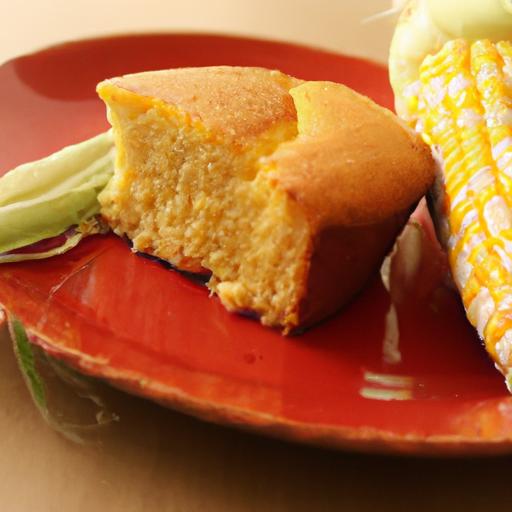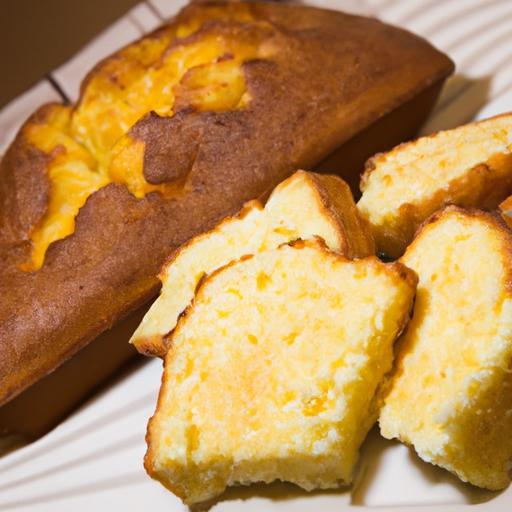

There’s something undeniably comforting about a warm piece of cornbread-its golden crust, tender crumb, and slightly sweet flavor evoke memories of family dinners and cozy kitchens. But what happens when that beloved staple turns out dry and crumbly, breaking apart in your hands and leaving you wondering where you went wrong? If your cornbread has felt more like a crumbly puzzle than a soft delight, it’s time to unlock the mystery behind this baking dilemma. In this article, we’ll dive deep into the science and secrets of cornbread, exploring the common pitfalls and simple tweaks that can transform your recipe from dry disappointment to moist, melt-in-your-mouth perfection. Let’s uncover why your cornbread is dry-and how to fix it for good.
Unlocking the mystery: why is my cornbread dry and crumbly? This classic Southern staple often dazzles with its golden crust and tender crumb, yet many home bakers struggle to achieve that perfect balance of moistness and fluff. The secret lies in understanding the delicate dance of ingredients and moisture, where slight missteps can lead to a dry, crumbly disappointment rather than a melt-in-your-mouth delight.
Prep and Cook Time
Preparation: 10 minutes | Cooking: 20-25 minutes | Total: 35 minutes
Yield
8 servings
Difficulty Level
Easy to Medium
Ingredients
- 1 cup yellow cornmeal, stone-ground for best texture
- 1 cup all-purpose flour, sifted
- 1/4 cup granulated sugar (adjust for sweetness)
- 1 tbsp baking powder, fresh for proper rise
- 1/2 tsp fine sea salt
- 1 cup whole milk, room temperature
- 2 large eggs, beaten
- 1/4 cup unsalted butter, melted and cooled slightly
- Optional: 1/4 cup sour cream or Greek yogurt for extra moisture
Instructions
- Preheat your oven to 400°F (200°C). Grease a 9-inch square baking pan or cast iron skillet with butter or non-stick spray.
- In a large bowl, whisk together the cornmeal, sifted flour, sugar, baking powder, and salt to ensure even distribution of leavening agents-this step prevents uneven crumb texture.
- In a separate bowl, combine the milk, beaten eggs, and melted butter; add sour cream if using. The acidity and fat here greatly enhance softness, so don’t skip this if you prefer richer cornbread.
- Pour the wet ingredients into the dry mixture and stir gently until just combined. Overmixing can toughen the batter and cause dryness.
Tip: A few lumps are okay-this keeps the crumb tender. - Pour the batter evenly into the prepared pan. For a golden crust, bake in the hot oven for 20-25 minutes or until a toothpick inserted in the center comes out clean and the edges pull slightly from the pan.
- Remove from oven and let cool in the pan for 5 minutes before slicing to allow moisture to redistribute evenly throughout the crumb.
Chef’s Notes: Tips for Success
- Balance moisture: Using whole milk or adding a dollop of sour cream keeps the bread lush. Skipping these or substituting with low-fat milk can dry it out.
- Measure precisely: Too much flour or cornmeal tightens the structure, making it crumbly. Use a kitchen scale or spoon-and-level method for accuracy.
- Fresh baking powder: Expired leavening won’t give you lift, resulting in dense, dry cornbread.
- Butter temperature: Melted but slightly cooled butter distributes fat evenly without cooking eggs prematurely.
- Don’t overbake: Watch the timer closely-oven heat impacts moisture and texture dramatically.
- Experiment with mix-ins: Add jalapeños, corn kernels, or shredded cheese for exciting flavor and additional moisture variations.
- Make ahead: Store cooled cornbread in an airtight container; reheat gently with a drizzle of butter to revive softness.
Serving Suggestions
The ideal serving of cornbread is warm from the oven, slathered with a generous pat of softened butter that slowly melts into every crumb. Pair it with honey or a drizzle of maple syrup for subtle sweetness, or alongside chili, BBQ, or a smoky gumbo for a savory complement. Garnish with fresh thyme sprigs, a sprinkle of smoked paprika, or a curl of sharp cheddar to elevate the presentation.

| Nutrient | Per Serving |
|---|---|
| Calories | 210 |
| Protein | 5g |
| Carbohydrates | 30g |
| Fat | 8g |
For further insight on leavening science and baking techniques, visit King Arthur Baking’s Science Guide. Explore our perfect cornbread recipe for more advanced tricks and flavor twists.
Q&A
Q&A: Unlocking the Mystery – Why Is My Cornbread Dry and Crumbly?
Q1: What’s the number one culprit behind dry, crumbly cornbread?
A1: The moisture factor! Cornbread needs just the right amount of liquid-too little, and you’ll end up with a desert on your plate. Ingredients like buttermilk, yogurt, or even a splash of cream can add that tender, moist texture that transforms your cornbread from crumbly to crave-worthy.
Q2: Can overbaking really sabotage my cornbread’s texture?
A2: Absolutely! Cornbread is a delicate balance of baking time and temperature. Leaving it in the oven too long dries it out, turning your slice into a sandcastle. Keep a close eye-pull it out as soon as a toothpick comes out clean but still moist!
Q3: Is the type of cornmeal important?
A3: Yes! Coarser cornmeal tends to create a grittier, drier crumb, while finer cornmeal yields a softer bite. Experiment with different grinds to find your preferred texture, and consider mixing cornmeal types for a perfect harmony.
Q4: Could my mixing technique be to blame?
A4: Mixing matters. Overmixing introduces too much air and develops gluten, creating a tough, crumbly texture. Gently fold your wet and dry ingredients until just combined-lumps are okay and even welcome!
Q5: How do fat and sugar impact moisture?
A5: Fat (like butter or oil) and sugar don’t just add flavor-they lock in moisture and tenderize the crumb. Skimping on them can leave your cornbread feeling dry. For a richer, moister loaf, don’t be shy with your fats and sweeteners.
Q6: Do altitude and oven calibration affect results?
A6: Yes, for sure! High altitudes can dry out baked goods faster, and oven temperatures may vary. Consider adjusting baking time, temperature, or adding extra liquid if you live in lofty places. An oven thermometer is your best friend!
Q7: Any quick fixes for dry cornbread saved from the brink?
A7: Definitely! Brush slices with honey butter, wrap leftovers in damp paper towels and microwave briefly, or serve with moist accompaniments like chow chow or chili to balance the dryness.
Unlocking the mystery of dry, crumbly cornbread is all about understanding moisture, mixing, and baking nuances. Master these, and your cornbread will rise deliciously every time!
In Conclusion
Unlocking the mystery of dry, crumbly cornbread isn’t just about perfecting a recipe-it’s about understanding the delicate dance between ingredients, moisture, and baking time. With each tweak and tip, from the right balance of wet to dry to the gentle touch of heat, you’re not just baking cornbread; you’re crafting a golden slice of comfort. So next time your cornbread teeters on the edge of dryness, remember: a little knowledge-and a sprinkle of patience-can transform crumbly woes into tender, buttery bliss. Happy baking!