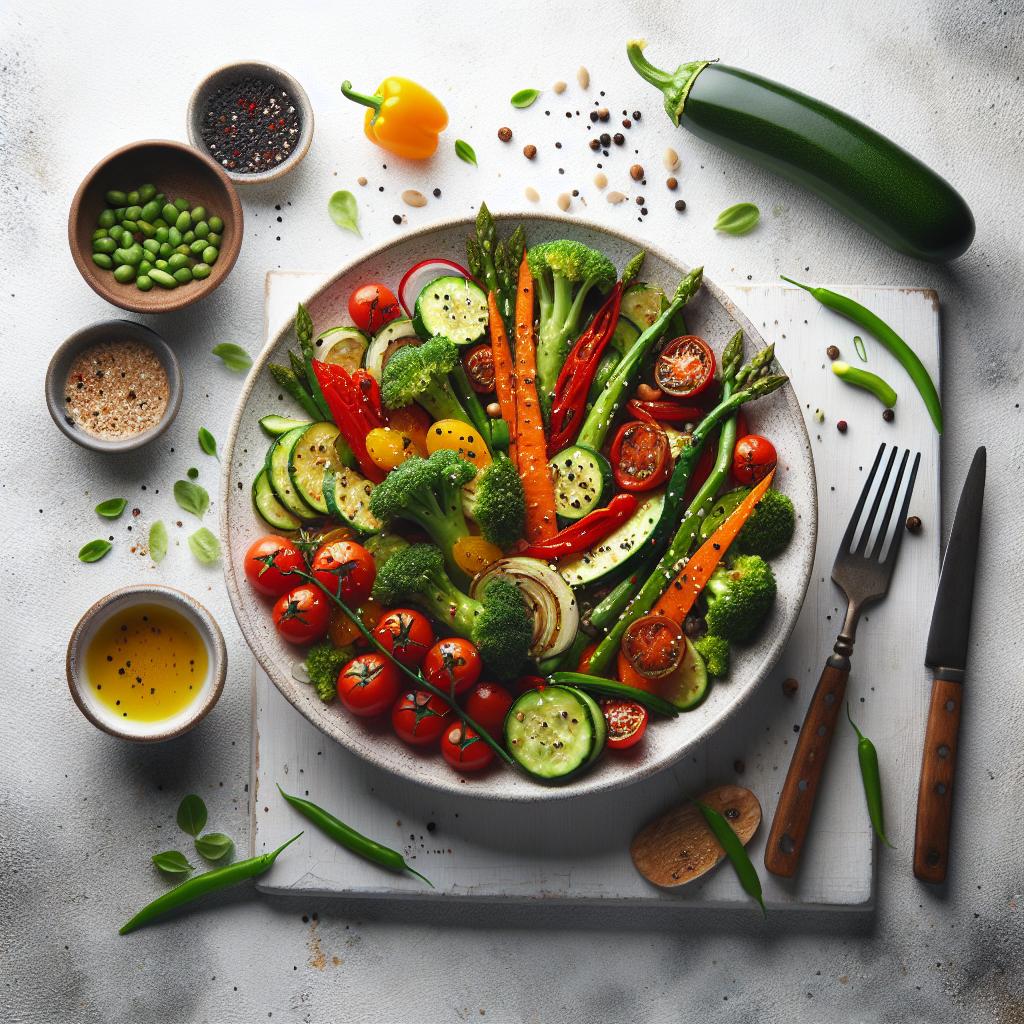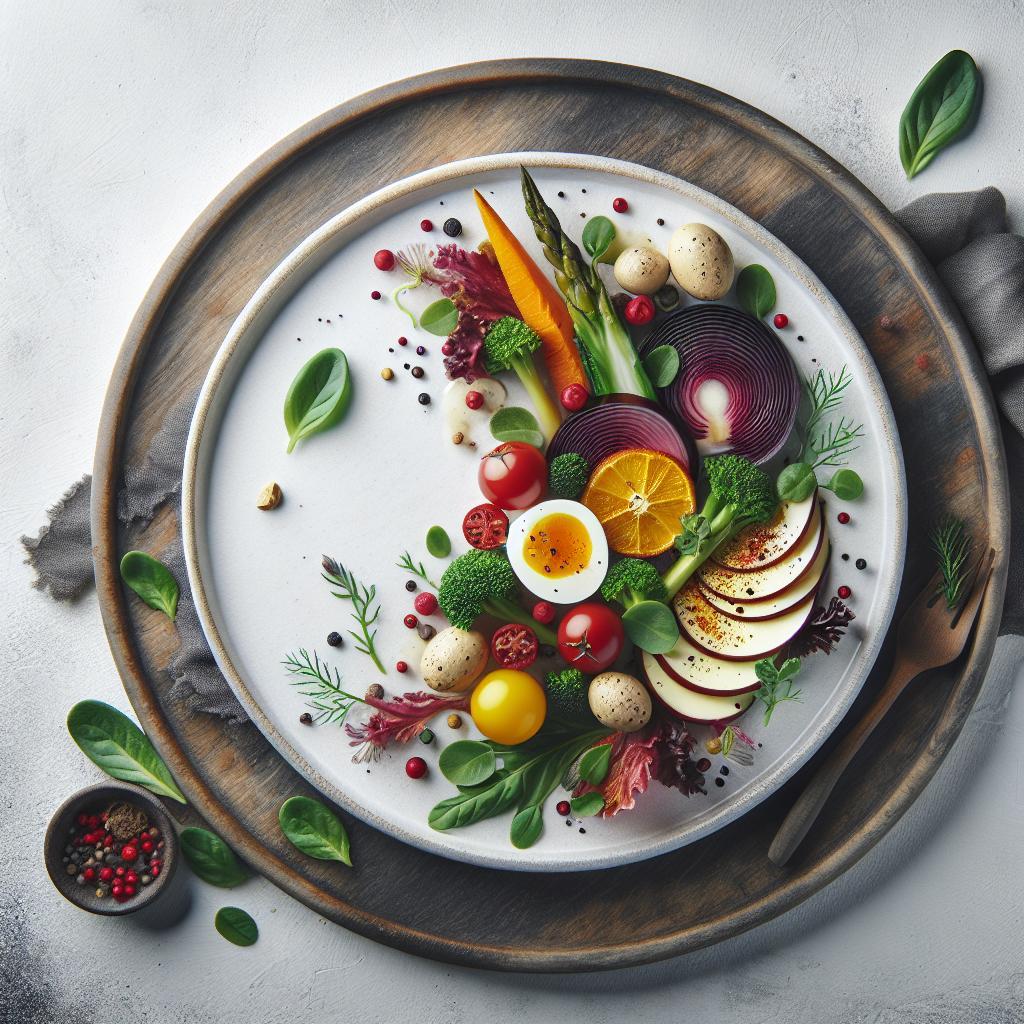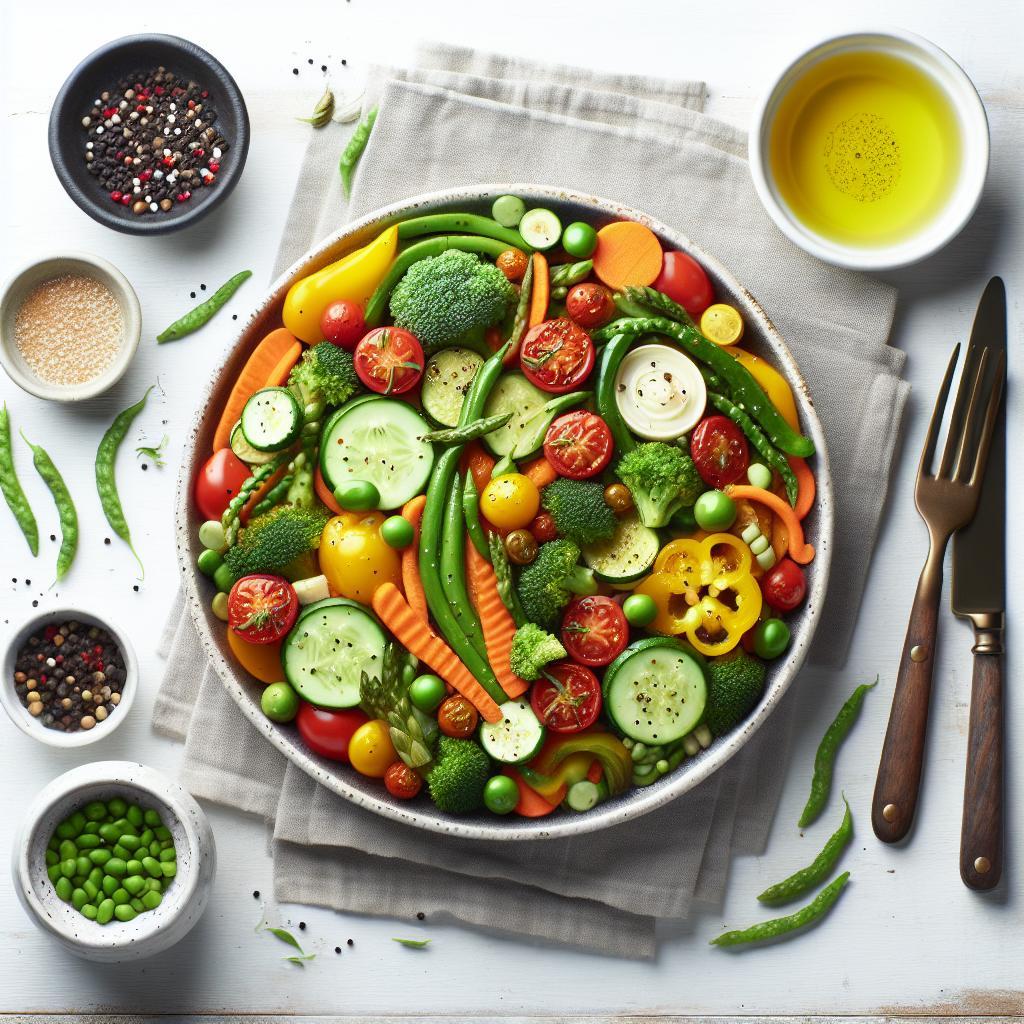

Beneath the vibrant colors and familiar shapes of your favorite vegetables lies a hidden world of stories, secrets, and surprising science. From the crunch of a fresh carrot to the subtle bitterness of kale, each veggie carries a unique blend of nutrients, history, and benefits waiting to be discovered. Join us as we peel back the layers and unlock the secrets of your favorite veggie choices-revealing not just what makes them delicious, but how they nourish your body, support the planet, and even shape cultures around the globe. Get ready to see your greens in a whole new light!
Unlocking the Secrets of Your Favorite Veggie Choices
Unlocking the secrets of your favorite veggie choices reveals a world of vibrant flavors and nutritional treasures that often go unnoticed.These greens are not only the cornerstone of a healthy diet but also an exciting playground for every home chef eager to elevate veggie dishes from simple sides to star plates.
Prep and Cook Time
- Prep Time: 20 minutes
- Cook Time: 15 minutes
- Total Time: 35 minutes
Yield
Serves 4 generous portions
Difficulty Level
Easy to Medium – perfect for everyday cooking and beginner-friendly with room to impress!
Ingredients
- 4 cups fresh kale, stems removed and rough-chopped
- 2 cups baby spinach, washed and patted dry
- 1 cup rainbow chard, thinly sliced
- 2 tablespoons extra virgin olive oil
- 3 cloves garlic, finely minced
- 1 small shallot, thinly sliced
- 1 teaspoon smoked paprika
- 1/4 teaspoon freshly cracked black pepper
- 1/2 teaspoon sea salt
- 1 tablespoon lemon juice, freshly squeezed
- 1/4 cup toasted pine nuts (optional, for garnish)
- 1/4 cup crumbled feta cheese or vegan alternative (optional)
Instructions
- Prepare the greens: Rinse kale, spinach, and chard thoroughly under cold running water. Pat dry with paper towels or use a salad spinner to remove excess moisture.
- Heat the oil: In a large skillet, warm 2 tablespoons of extra virgin olive oil over medium heat until shimmering.
- Sauté aromatics: Add the finely minced garlic and sliced shallot to the skillet. Sauté until fragrant and translucent, about 2-3 minutes, stirring often to avoid burning.
- Add spices: Stir in the smoked paprika, black pepper, and sea salt. Cook for 30 seconds to toast the spices, releasing their full aromatic potential.
- Cook the greens: Begin by adding the chopped kale and chard, as they require slightly longer cooking times. Stir frequently, cooking until they start to soften, about 5 minutes.
- Incorporate spinach: Add the baby spinach to the skillet last, as it wilts quickly. Toss to combine, cooking just until spinach is tender and vibrant, approximately 2-3 minutes more.
- Finish with lemon juice: Remove the skillet from heat. Immediately drizzle with fresh lemon juice to brighten the flavors and enhance nutrient absorption.
- Plate and garnish: Transfer to a serving dish and sprinkle with toasted pine nuts and crumbled feta cheese for an extra layer of texture and creaminess.
Tips for Success
- For crispier textures, avoid overcooking; the greens should retain some bite and bright color.
- Substitute kale with collard greens or mustard greens to explore different flavor depths while maintaining similar nutritional benefits.
- Prepare in advance by sautéing the greens and storing in an airtight container for up to 3 days-reheat gently to preserve texture.
- Enhance the dish with a pinch of red chili flakes for gentle heat or a splash of balsamic vinegar to add complexity.
- Toasting nuts brings out their flavor-consider swapping pine nuts for chopped walnuts or almonds based on your preference and seasonality.
Serving Suggestions
This sautéed greens medley pairs beautifully with nutty grain salads or can serve as a vibrant base for roasted vegetables and lean proteins like grilled chicken or baked tofu. Present the dish in a shallow bowl, adding a lemon wedge on the side for extra zing. Garnish with edible flowers or microgreens to elevate the visual appeal, perfect for a healthy yet inviting meal at any time of day.
| Nutrient | Per Serving |
|---|---|
| Calories | 110 kcal |
| Protein | 5 g |
| Carbohydrates | 10 g |
| Fat | 7 g (mostly healthy fats) |
| Fiber | 4 g |

For further insights into maximizing the nutritional benefits of greens, visit Harvard T.H. Chan School of Public Health. Embracing these simple yet powerful ingredients unlocks a new depth of flavor and vitality in your kitchen.
Q&A
Q: What inspired the idea of “Unlocking the Secrets of Your Favorite Veggie Choices”?
A: The inspiration came from the desire to see vegetables not just as side dishes but as vibrant, flavorful stars of the plate. By uncovering their hidden qualities-nutritional, cultural, and culinary-we uncover a new appreciation for these everyday heroes.
Q: How can knowing more about vegetables change the way we cook and eat?
A: Understanding the unique textures, flavors, and optimal preparation methods can transform humble veggies into culinary masterpieces. For instance, roasting can unlock natural sweetness, while quick steaming preserves vibrant color and crunch. Knowledge turns cooking into a creative adventure rather than a chore.
Q: What are some surprising nutritional benefits of common vegetables?
A: Carrots aren’t just good for your eyesight-they’re packed with antioxidants that support your immune system. Spinach provides a powerhouse of iron and calcium, vital for energy and bone health. Even the humble potato delivers vitamin C and potassium, helping to balance hydration and muscle function.
Q: How do cultural traditions influence vegetable preparation around the world?
A: Each culture has unique ways of honoring vegetables, from Korean kimchi’s spicy fermented cabbage to Indian’s vibrant spiced cauliflower curries. These traditions reflect centuries of experimentation, climate, and philosophy, showing us that veggies can tell stories as rich as any main course.
Q: Are there any easy ways to add excitement to everyday vegetables?
A: Absolutely! Simple tweaks like a sprinkle of smoked paprika, a drizzle of lemon tahini sauce, or a quick toss in toasted nuts can elevate flavor and texture. The key is to play with contrasts-crisp with creamy, sweet with tangy-to keep your palate intrigued.
Q: Which lesser-known vegetables deserve more spotlight?
A: Veggies like kohlrabi, Romanesco, and sunchokes are treasure troves of flavor and nutrition waiting to be discovered. Adding them to your rotation introduces new tastes and encourages culinary creativity.
Q: Can understanding vegetables help with sustainable eating habits?
A: Yes! Choosing seasonal, locally grown vegetables reduces carbon footprints and supports biodiversity. Knowing how to use every edible part-like beet greens or broccoli stems-minimizes waste and maximizes value.
Q: What role do vegetables play in boosting mental and physical well-being?
A: Beyond vitamins and minerals, many vegetables contain phytochemicals that promote brain health and reduce inflammation. Their fiber content supports gut health, which is increasingly linked to mood and cognition, making veggies true brain and body allies.
Q: How can families get kids excited about eating more vegetables?
A: Making veggies fun and interactive-like colorful veggie kabobs, creative dips, or “build-your-own” salad bowls-turns eating into play. Sharing stories about where vegetables come from and how they grow also sparks curiosity and appreciation.
Q: What’s the biggest secret to making any vegetable dish memorable?
A: Attention to detail: seasoning with intention, balancing flavors, and respecting the vegetable’s natural character. When you treat veggies with care and creativity, they reward you with unforgettable taste and satisfaction.
Insights and Conclusions
As you peel back the layers of your favorite vegetables, you begin to see them not just as simple sides, but as vibrant stories packed with nutrients, history, and surprising benefits. Unlocking these secrets transforms every bite into an adventure, inviting you to savor more than just flavor – but the remarkable journey each veggie has traveled to your plate. So next time you reach for that crisp carrot or tender kale, remember: you’re not just eating; you’re connecting with nature’s hidden masterpieces, one delicious crunch at a time.