
Picture your plate as a landscape filled with a spectrum of foods-some fresh and familiar, others wrapped in layers of convenience and complexity. As we navigate the modern grocery aisles, the terms “processed” and “ultra-processed” foods have become staples of conversation, yet their meanings often blur together in a confusing mix. What exactly distinguishes a processed food from its ultra-processed cousin? And why does the difference matter so much for our health and well-being? In this article, we’ll unravel the layers behind these labels, demystifying the science and shedding light on what really goes into the foods we eat every day. Join us as we unpack the plate and explore how understanding these categories can empower smarter, more mindful eating choices.
Processed vs. Ultra-Processed Foods Explained: Decoding and Making Smarter Choices
Processed vs. ultra-processed foods explained can be your gateway to understanding what’s truly on your plate and how to make mindful, nourishing choices. In today’s fast-paced world, navigating the grocery aisles might feel overwhelming, but once you decode ingredient labels and grasp the subtle differences, you’ll feel empowered to shift toward cleaner, healthier options without sacrificing flavor or convenience.
Prep and Cook Time
- Preparation: 10 minutes
- Cooking: 15 minutes
- Total Time: 25 minutes
Yield
Serves 4
Difficulty Level
Easy
Ingredients
- 1 cup quinoa, rinsed – a wholesome grain that serves as an excellent base for clean eating
- 2 cups vegetable broth – for a flavorful, processed-free cooking liquid
- 1 medium avocado, diced – rich in healthy fats and fiber
- 1 cup cherry tomatoes, halved – fresh and vibrant for natural sweetness
- 1/2 cup cucumber, diced – crisp and hydrating
- 1/4 cup red onion, finely chopped – adds a punch of sharpness
- 1/4 cup fresh parsley, chopped – herbaceous freshness to brighten the dish
- 2 tbsp extra virgin olive oil – a clean source of monounsaturated fats
- 1 tbsp freshly squeezed lemon juice – natural acidity to balance flavors
- Salt and black pepper, to taste – season thoughtfully, avoiding additives
Instructions
- Cook the quinoa: In a medium saucepan, bring 2 cups vegetable broth to a boil. Add the rinsed quinoa, reduce heat to low, cover and simmer for about 15 minutes until all the liquid is absorbed. Fluff with a fork and set aside to cool slightly.
- Prepare the fresh ingredients: While quinoa cooks, chop the avocado, cherry tomatoes, cucumber, red onion, and parsley. Ensure all produce is fresh and organic for the purest flavors.
- Mix the dressing: In a small bowl, whisk together extra virgin olive oil, lemon juice, salt, and freshly cracked black pepper. Taste and adjust seasoning as needed.
- Combine the salad: In a large bowl, toss the slightly cooled quinoa with the fresh vegetables and herbs. Drizzle the dressing evenly and gently fold to combine all elements without mashing the avocado.
- Chill or serve immediately: For optimal flavor, refrigerate the salad for 10 minutes, or serve fresh as a vibrant, nutrient-packed meal.
Chef’s Notes: Tips for Success
- For an extra protein boost, add a handful of toasted chickpeas or grilled chicken breast (for omnivores).
- Swap quinoa with farro or brown rice for texture variety while keeping it minimally processed.
- Use fresh lemon juice, never bottled, to avoid preservatives and additives commonly found in ultra-processed dressings.
- Keep avocado fresh by tossing with lemon juice immediately after dicing to prevent browning.
- This salad can be prepared ahead and stored in an airtight container in the fridge for up to 24 hours without sacrificing taste or texture.
Serving Suggestions
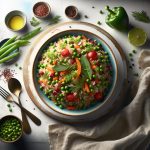
Plate this salad in a bright ceramic bowl to contrast the vibrant colors of the veggies and grains. Garnish with a few whole parsley sprigs and a light drizzle of olive oil for a glossy finish. Pair it with a side of warm, wholegrain pita or enjoy it atop a bed of baby spinach for a fuller meal. This dish comes alive with its fresh ingredients, celebrating the essence of minimally processed foods beautifully.

| Nutrient | Per Serving |
|---|---|
| Calories | 320 kcal |
| Protein | 8 g |
| Carbohydrates | 34 g |
| Fat | 15 g |
Understanding the ingredients behind the label and choosing whole, minimally processed foods invites vibrant health and flavor into your kitchen. For more insights on clean eating and ingredient literacy, explore our guide to clean labels and real food. To dig deeper into the science of food processing, the World Health Organization’s healthy diet factsheet offers authoritative, evidence-based guidance.
Q&A
Q&A: Unpacking the Plate – Processed vs. Ultra-Processed Foods Explained
Q1: What do we really mean by “processed” and “ultra-processed” foods?
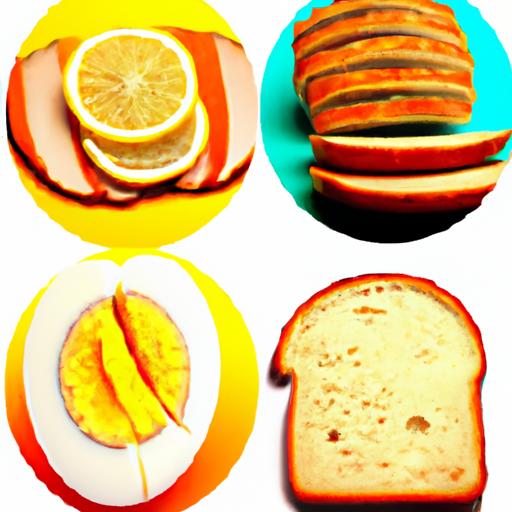
A1: Imagine your favorite sandwich. Processed foods are like the simple version – think sliced bread, cheese, and ham, which have been altered from their original state but still retain recognizable ingredients. Ultra-processed foods, on the other hand, are the heavily engineered cousins – think packaged snack cakes, instant noodles, and soda, packed with additives, preservatives, and ingredients you wouldn’t find in your grandma’s kitchen.
Q2: Why is it important to distinguish between processed and ultra-processed foods?
A2: Not all processing is bad! Processing can make food safer and last longer. But ultra-processing often strips food of nutrients and loads it with artificial substances, driving cravings and potential health issues. Understanding the difference helps you make smarter choices for your body and taste buds.
Q3: How can I spot ultra-processed foods while grocery shopping?
A3: Look for foods with long ingredient lists filled with unpronounceable chemicals, artificial flavors, colors, and preservatives. If it looks like science happened in a lab more than a kitchen, you’re likely dealing with ultra-processed. Labels telling you it’s “ready-to-eat” or “instant” are good clues.
Q4: Are processed foods always healthier than ultra-processed ones?
A4: Generally, yes-but it’s not a hard-and-fast rule. Some processed foods, like frozen veggies or canned beans, can be nutritious and convenient. The key is moderation and balance: prioritize whole and minimally processed foods, and be mindful of ultra-processed items’ occasional indulgence rather than dietary staples.
Q5: What effects do ultra-processed foods have on our health?
A5: Frequent consumption of ultra-processed foods has been linked to weight gain, heart disease, diabetes, and even mental health struggles like depression. Their combination of high sugar, unhealthy fats, salt, and additives can disrupt your metabolism and gut health over time.
Q6: Can ultra-processed foods fit into a healthy lifestyle?
A6: Absolutely-they’re not evil villains but rather treats best enjoyed in moderation. Life’s busy pace sometimes calls for convenience, so swapping ultra-processed snacks for healthier alternatives (like fresh fruit or nuts) where possible can tip the balance in your favor without sacrificing enjoyment.
Q7: How can I start “unpacking my plate” today?
A7: Become a curious detective – read labels, cook more meals from scratch, and savor the natural flavors of whole foods. Gradually swap out ultra-processed items for wholesome versions. Your plate will transform from a mystery novel into a wholesome story of nourishment.
This Q&A guides readers through the nuanced world of food processing, enlightening and inspiring mindful eating with a splash of creativity and clarity.
In Summary
As we peel back the layers of what lands on our plates, understanding the spectrum from processed to ultra-processed foods empowers us to make choices with clarity and confidence. It’s not just about labels or categories-it’s about the story behind each bite, the balance between convenience and nourishment, and the mindful awareness that transforms eating from a routine into a thoughtful act. So next time you unpack your meal, remember: every ingredient has a journey, and by knowing the difference, you hold the power to shape your health, one delicious decision at a time.