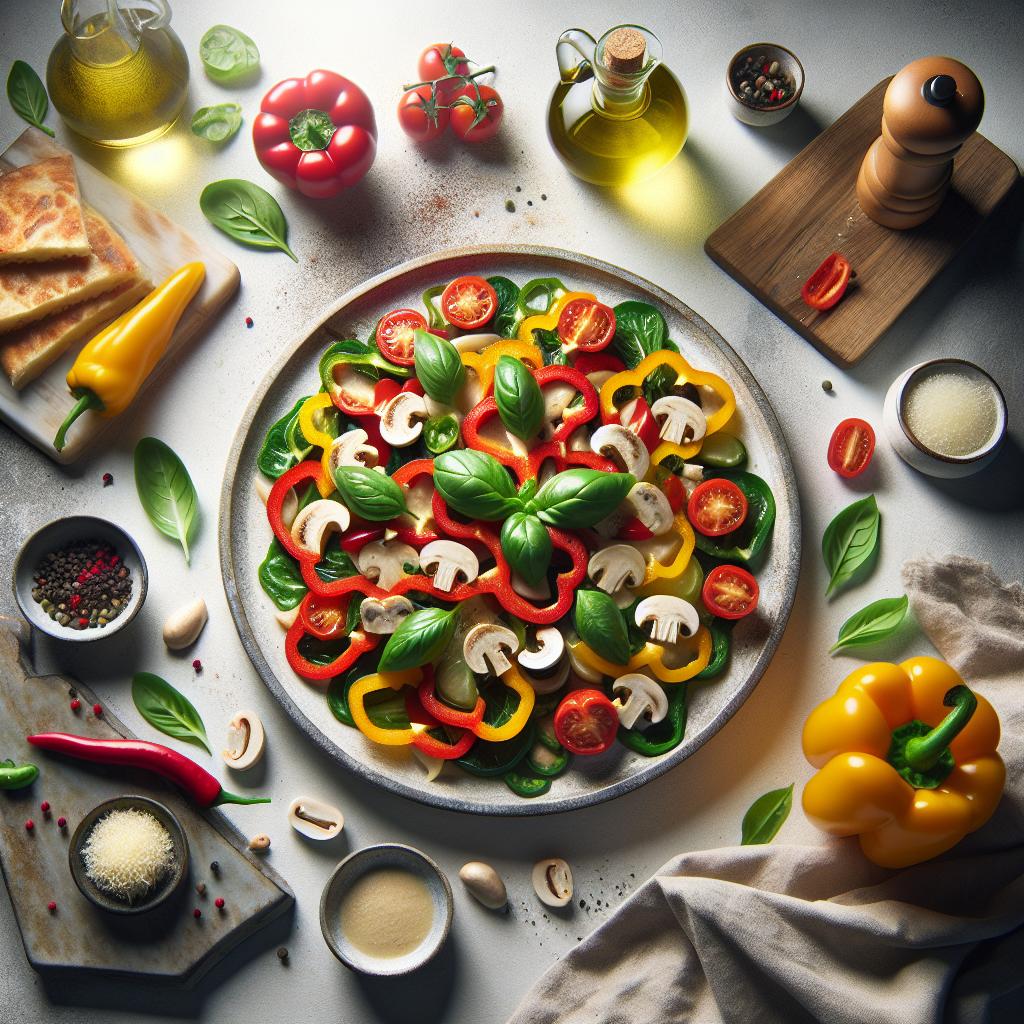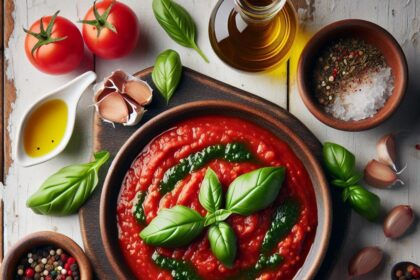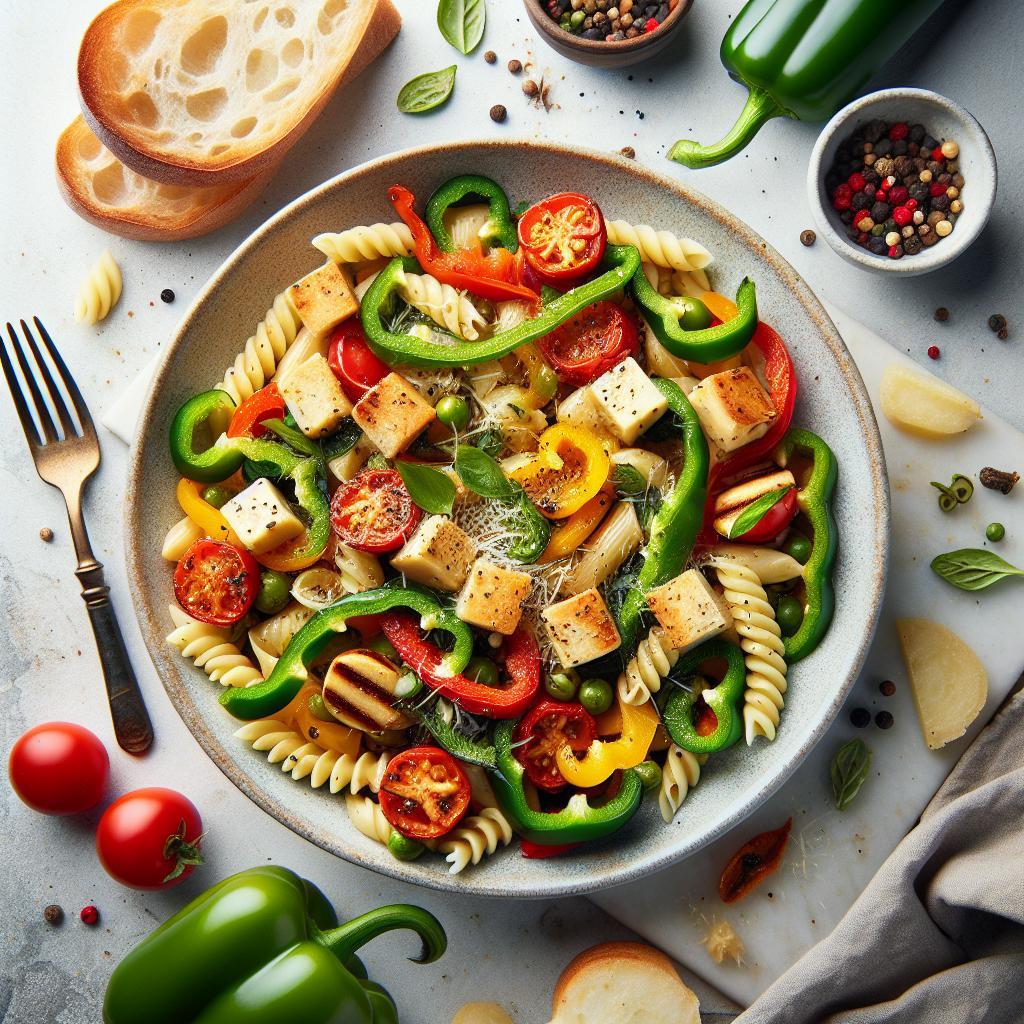

In the vibrant tapestry of Italian cuisine, one humble ingredient boldly weaves its way through generations of flavor and tradition: the Italian pepper. More than just a seasoning, this vibrant spice encapsulates centuries of heritage, igniting dishes with its distinctive warmth and character. From the sun-kissed hills of Calabria to bustling urban markets, Italian pepper’s story is as rich and varied as the country itself. In this exploration, we journey beyond the familiar sprinkle to uncover the fascinating origins, culinary versatility, and cultural significance of Italian pepper-unveiling how it continues to shape and elevate Italy’s beloved flavors.
Exploring the Distinctive Flavors and Aromatic Profiles of Italian Pepper
Italian Pepper is a culinary gem deeply cherished for its unique depth of flavor and aromatic complexity. Originating from the sun-kissed Mediterranean, this seasoning carries centuries of tradition, infusing dishes with warm, earthy tones balanced by subtle floral hints and a vibrant peppery kick. In my years as a Culinary Content Creator and Food Stylist, I’ve witnessed firsthand how an authentic pinch of Italian Pepper can elevate even the simplest meal, transforming it into a sensory journey steeped in heritage.
Prep and Cook Time
- Preparation: 10 minutes
- Cooking: 20 minutes
- Total Time: 30 minutes
Yield
Serves 4 hungry guests
Difficulty Level
Medium – perfect for home cooks ready to experiment with bold, traditional flavors
Ingredients
- 2 teaspoons Italian Pepper blend (a mix of crushed black peppercorns, pink peppercorns, Szechuan pepper, and dried herbs)
- 1 tablespoon extra virgin olive oil
- 3 cloves garlic, finely minced
- 1 large yellow onion, thinly sliced
- 1 cup canned San Marzano tomatoes, crushed
- 1 pound chicken breast, cut into strips
- Salt, to taste
- Fresh basil leaves, for garnish
- 1/2 cup low-sodium vegetable broth
- 1 teaspoon dried oregano
Instructions
- Heat the olive oil in a large skillet over medium heat until shimmering. Add garlic and onion; sauté until softened and golden, about 5 minutes, stirring occasionally to prevent burning.
- Sprinkle the Italian Pepper blend evenly over the sautéed onions and garlic, allowing the spices to toast gently for 1 minute – this releases their fragrant oils and deepens the flavor.
- Add the chicken strips to the skillet, seasoning with salt. Cook for 6-8 minutes, stirring occasionally, until the chicken is cooked through and develops a beautiful sear.
- Pour in the crushed San Marzano tomatoes and vegetable broth. Stir in dried oregano. Bring to a gentle simmer and reduce heat to low.
- Let the sauce thicken for 10 minutes, stirring occasionally. The Italian Pepper will infuse the sauce with its distinctive warmth and subtle heat.
- Remove from heat, and garnish with fresh basil leaves before serving to enhance the bright, herbaceous notes.
Tips for Success
- Choose freshly ground Italian Pepper blends for maximum aroma. Pre-ground loses its signature punch quickly.
- Store pepper in airtight containers away from light and heat to preserve its rich, complex flavors.
- Incorporate Italian Pepper at different stages in your cooking to layer flavors – both during cooking and as a finishing touch.
- Experiment with fresh herbs, such as rosemary or thyme, to complement the pepper’s earthy profile.
- This dish pairs beautifully with rustic Italian bread or creamy polenta to soak up the sultry sauce.
Serving Suggestions
Plate this vibrant chicken and tomato dish over a bed of al dente pasta or alongside roasted seasonal vegetables for a hearty meal. Garnish generously with torn fresh basil and a light drizzle of cold-pressed extra virgin olive oil to heighten the pepper’s aromatic notes. For a contemporary twist, sprinkle toasted pine nuts atop for subtle crunch and earthiness.
| Nutrient | Per Serving |
|---|---|
| Calories | 320 kcal |
| Protein | 35g |
| Carbohydrates | 10g |
| Fat | 12g |
For further tips on maximizing your Italian Pepper experience, explore our deep dive into Italian herbs and spices. To understand the global impact of pepper, visit Britannica’s comprehensive overview on pepper.

Q&A
Q&A: Unveiling Italian Pepper – Flavor, Heritage, and Uses Explored
Q1: What makes Italian pepper unique compared to other pepper varieties?
A1: Italian pepper stands out due to its harmonious blend of bold spice and subtle sweetness, often paired with a delicate smoky hint. Its distinct flavor profile reflects the diverse microclimates of Italy’s regions, resulting in a complexity that adds depth without overpowering dishes.
Q2: How has Italian pepper influenced the culinary heritage of Italy?
A2: Italian pepper has been a key ingredient since antiquity, shaping the country’s culinary identity by enhancing regional recipes with its vibrant warmth. From rustic farmhouse kitchens to refined trattorias, it has been embraced for its ability to elevate everything from vegetables to seafood, honoring Italy’s love of bold yet balanced tastes.
Q3: Are there specific regions in Italy known for producing exceptional pepper?
A3: Yes, regions like Calabria, Sicily, and Tuscany pride themselves on cultivating distinct variants of pepper. Calabria’s fiery Calabrian chili is famous for its intense kick, while Tuscan pepper tends to be more aromatic and nuanced, showcasing the diversity within Italian pepper cultivation.
Q4: What dishes benefit most from incorporating Italian pepper?
A4: Italian pepper works beautifully in a myriad of dishes – from vibrant tomato-based sauces and herb-infused dressings to grilled vegetables and seafood stews. Its warm spiciness enlivens hearty soups, elevates fresh cheeses, and even adds a zesty sparkle to seasonal salads.
Q5: How can cooks best use Italian pepper to highlight its flavors?
A5: To maximize its flavor, Italian pepper is often toasted lightly before being ground, releasing its essential oils and intensifying its aroma. Adding it towards the end of cooking preserves its nuanced heat. It also pairs exquisitely with garlic, olive oil, fresh herbs like basil and oregano, and citrus zest.
Q6: Can Italian pepper be used in non-traditional or innovative ways?
A6: Absolutely! Beyond classic pasta sauces, it can enhance infused oils, homemade spice blends, or even sweet-savory desserts like dark chocolate with a pepper kick. Its unique character invites experimentation, offering a splash of Italian sunshine in unexpected culinary creations.
Q7: What tips can home cooks follow when selecting Italian pepper?
A7: Look for freshly ground or whole peppercorns that are vibrant in color and fragrant. Storing pepper in airtight containers away from heat and light preserves its potency. Also, exploring artisanal producers guarantees authentic flavor and supports Italy’s pepper heritage.
Q8: How does Italian pepper complement herbs and other spices commonly found in Italian cuisine?
A8: Italian pepper acts as a subtle enhancer, working in harmony with herbs like rosemary, thyme, and sage. Its layered heat offers a contrast to the sweetness of garlic and the earthiness of fennel seeds, creating a balanced symphony of flavors emblematic of Italian cooking’s finesse.
To Wrap It Up
As we close the chapter on the vibrant world of Italian pepper, we uncover more than just a spice – we reveal a tapestry woven with centuries of heritage, bold flavors, and culinary passion. From rustic farm tables to haute cuisine, Italian pepper enchants dishes with its distinctive warmth and subtle complexity, inviting us to savor not only its taste but its story. Whether crushed over a hearty pasta or infused into delicate sauces, this humble ingredient continues to ignite the imagination of chefs and food lovers alike. Embracing Italian pepper means celebrating a flavorful legacy that transcends borders and time, reminding us that every sprinkle carries the essence of Italy’s rich cultural bouquet.