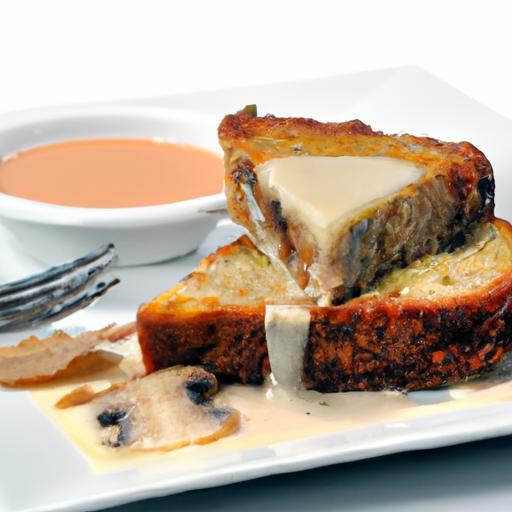

Nestled at the crossroads of history and hearth, Welsh Rarebit is far more than a simple cheese toast-it is a beloved culinary emblem woven into the fabric of Welsh culture. With its rich, golden sauce simmered to perfection and melted atop rustic bread, this hearty dish invites us on a savory journey through time and tradition. From humble taverns to modern tables, Welsh Rarebit has warmed appetites and sparked stories for centuries, offering a delicious taste of heritage steeped in ingenuity and comfort. Join us as we explore the origins, evolution, and enduring charm of this iconic Welsh classic, uncovering why it continues to captivate palates and preserve a slice of culinary history.
Welsh Rarebit Recipe: The Ultimate Guide to Classic and Contemporary Flavors
Welsh Rarebit has held a cherished place in British culinary heritage for centuries, enchanting palates with its rich, velvety cheese sauce served atop toasted bread. This iconic dish transforms simple ingredients into a savory masterpiece, marrying tradition with versatility. From its humble medieval beginnings to the modern stove-top and broiler renditions, Welsh Rarebit offers both nostalgic comfort and inventive variation, perfect for home cooks eager to experience authentic flavors with ease and confidence.
Prep and Cook Time
- Preparation: 10 minutes
- Cooking: 15 minutes
- Total Time: 25 minutes
Yield
Serves 4 hearty portions
Difficulty Level
Easy to Medium – Perfect for cooks at all skill levels aiming to impress
Ingredients
- 4 thick slices of rustic or sourdough bread, lightly toasted
- 3 tablespoons unsalted butter
- 3 tablespoons all-purpose flour, sifted
- 1 teaspoon English mustard powder (or Dijon mustard as a substitute)
- 1/2 teaspoon smoked paprika, for warmth and depth
- 1 cup whole milk, warmed
- 1 tablespoon Worcestershire sauce
- 1 teaspoon fresh lemon juice
- 8 ounces sharp Cheddar cheese, coarsely grated
- Freshly ground black pepper, to taste
- Optional: a dash of cayenne pepper or a splash of ale for boldness
Instructions
- Melt the butter over medium heat in a heavy-bottomed saucepan until foaming, but not browned.
- Whisk in the flour and cook gently for 1-2 minutes, stirring constantly to form a smooth roux without color.
- Gradually add the warm milk while whisking rigorously to avoid lumps, continuing until the sauce thickens and coats the back of a spoon.
- Reduce heat to low and stir in the mustard powder, smoked paprika, Worcestershire sauce, and lemon juice for layered complexity.
- Fold in the grated Cheddar cheese gradually, stirring until fully melted into a luxuriously creamy sauce. Add black pepper and adjust seasoning to taste.
- Remove from heat and immediately spoon the cheese mixture generously over the toasted bread slices laid on a broiler-safe tray.
- Place under a preheated broiler for 2-3 minutes, watching carefully until the topping bubbles and develops a golden crust. For extra flair, sprinkle a little extra cheese or paprika before broiling.
- Serve hot and enjoy this comforting dish at the peak of its melty, savory glory.
Tips for Success
- Cheese choice: Use a sharp, mature Cheddar for authentic depth, or mix half Cheddar with Gruyère or Red Leicester for a nuanced flavor profile.
- Make it vegan: Substitute dairy butter and cheese with plant-based alternatives and use unsweetened almond or oat milk.
- Thickness matters: Adjust the milk quantity for your preferred sauce consistency. A thicker sauce holds better on the toast, while a looser one feels silkier.
- Advance prep: You can make the cheese sauce up to 2 hours ahead; rewarm gently before assembly.
- Advanced twist: Add finely chopped fresh herbs like thyme or chives for aroma and brightness.
Serving Suggestions
Pair Welsh Rarebit with a crisp green salad drizzled with lemon vinaigrette for balance. For an elevated experience, garnish with freshly chopped chives or a scattering of toasted nuts for texture. A side of spiced tomato chutney or pickled vegetables complements the richness beautifully. Enhance your dining delight with a classic British ale or a dry white wine such as Sauvignon Blanc for a harmonious flavor play.
| Nutrient | Per Serving |
|---|---|
| Calories | 420 kcal |
| Protein | 18 g |
| Carbohydrates | 30 g |
| Fat | 26 g |

For further exploration into traditional British comfort foods, visit our article on Classic British Cottage Pie. To dive deeper into the rich heritage of Welsh Rarebit, the British Food History site offers excellent scholarly insights.
Q&A
Q&A: Welsh Rarebit – A Savory Journey Through Time and Tradition
Q1: What exactly is Welsh Rarebit?
A1: Welsh Rarebit is a classic British dish that combines a rich, cheesy sauce served hot over toasted bread. Despite its name, it contains no rabbit-its origins are rooted in hearty, comforting flavors rather than game meat. Think of it as a sophisticated, melted cheese toast with a secret blend of spices and beer or mustard that elevates it beyond basic comfort food.
Q2: Where does the name “Welsh Rarebit” come from?
A2: The name has evolved through playful linguistic twists. Originally called “Welsh Rabbit,” it was a humorous jab-no rabbit was used, so the “rarebit” pun replaced “rabbit” to highlight the dish’s simplicity and Welsh origin. “Rarebit” essentially means “a bit of Wales” or a humble portion, reflecting how this humble meal was embraced wholeheartedly by Welsh culture.
Q3: How has Welsh Rarebit evolved over time?
A3: Welsh Rarebit has journeyed through centuries as a favored British staple. Initially a peasant’s dish, it transformed during the Victorian era into an elegant pub favorite. Over time, recipes incorporated Worcestershire sauce, mustard, ale, and even a touch of cayenne or paprika, creating layers of flavor that appeal to modern palates. Today, it’s both a nostalgic throwback and a canvas for culinary creativity.
Q4: What ingredients make the perfect Welsh Rarebit?
A4: The magic lies in the sauce-a blend of sharp cheddar cheese melted with butter, mustard, Worcestershire sauce, and sometimes a splash of ale or milk for creaminess. The mixture is poured over buttery toasted bread and broiled until bubbly and golden brown. Some chefs add a pinch of cayenne or smoked paprika to tease the taste buds. Quality cheddar and fresh bread are key to unlocking the dish’s full flavor.
Q5: Why has Welsh Rarebit remained beloved through generations?
A5: Its enduring charm is due to a perfect balance of simplicity and indulgence. Welsh Rarebit comforts the soul with familiar, warm flavors while retaining a sense of culinary finesse. It’s a dish that transforms humble ingredients into a rich, savory delight-an edible link to cultural heritage and shared history that invites everyone to savor a piece of tradition.
Q6: Can Welsh Rarebit be adapted for modern diets?
A6: Absolutely! Vegetarian versions are standard, and with the rise of alternative cheeses and non-dairy butters, vegan Welsh Rarebit variations abound. Gluten-free breads can substitute traditional toast, and creative twists-like adding caramelized onions or smoked paprika-make it customizable for today’s diverse tastes, all while honoring the dish’s classic savory roots.
Q7: How can one best enjoy Welsh Rarebit today?
A7: Welsh Rarebit is perfect as a comforting snack, a sophisticated appetizer, or a cozy meal when paired with a crisp salad or tomato soup. Serve it hot and bubbling fresh from the broiler, perhaps with a cold ale or a cup of tea, and you’ll experience the warm embrace of a timeless tradition reimagined for the present.
Wrapping Up
As our savory journey through the rich history of Welsh Rarebit draws to a close, we find that this humble dish is much more than melted cheese on toast-it is a flavorful tapestry woven with centuries of tradition, culture, and culinary innovation. From its origins in the taverns of Britain to its place on modern menus, Welsh Rarebit continues to delight palates with its comforting warmth and bold character. So the next time you savor a golden, bubbling slice, remember that you’re partaking in a delicious piece of history, a timeless tribute to the art of simple yet extraordinary cooking.