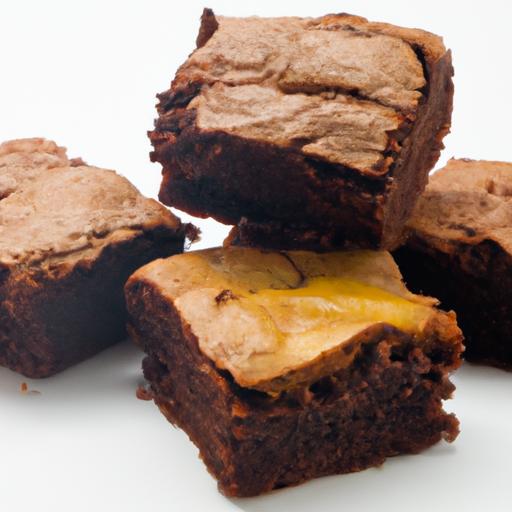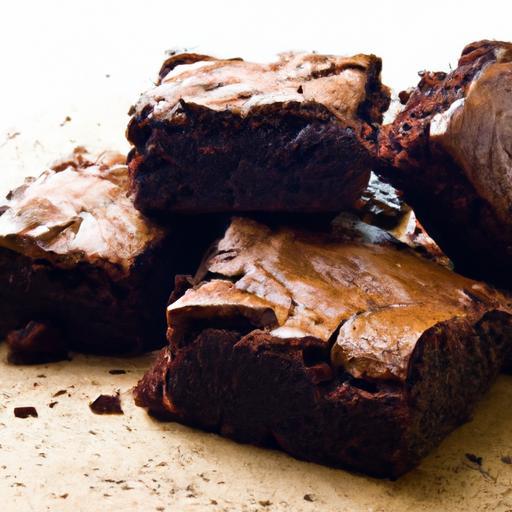

There’s nothing quite like biting into a brownie that strikes the perfect balance between fudgy richness and tender crumb. But when your brownies turn out cakey instead of dense and gooey, it can be a puzzling-and often disappointing-surprise. What causes this unexpected fluffiness, and how can you adjust your recipe and technique to get that coveted melt-in-your-mouth texture every time? In this article, we’ll unravel the common culprits behind cakey brownies and share expert tips to transform your batch into the luscious, chewy delight you crave. Say goodbye to cakey conundrums and hello to brownie bliss!
Why are my brownies too cakey? This common question reflects the delicate balance between a brownie that is delightfully fudgy and one that skews toward the texture of a chocolate cake. Achieving the perfect chewy bite involves understanding how each ingredient interacts, mastering oven precision, and learning to rescue batters when they stray. Whether you’re an aspiring baker or a seasoned pro, unlocking these secrets will elevate your brownie game to irresistible new heights.
Prep and Cook Time
- Preparation: 15 minutes
- Baking: 20-25 minutes
- Total: 40 minutes
Yield
12 generously sized brownies
Difficulty Level
Medium – perfect for home bakers seeking to refine their technique
Ingredients
- 1 cup (2 sticks) unsalted butter, melted and cooled
- 2 cups granulated sugar
- 4 large eggs, at room temperature
- 1 teaspoon pure vanilla extract
- 1 cup all-purpose flour, sifted
- ¾ cup unsweetened cocoa powder, sifted
- ½ teaspoon fine sea salt
- ½ teaspoon baking powder
- 1 cup semi-sweet chocolate chips (optional for extra chewiness)
Instructions
- Preheat your oven to 325°F (163°C). Lightly grease and line an 8×8-inch baking pan with parchment paper, allowing overhang for easy removal.
- Mix butter and sugar: In a large bowl, whisk together the melted butter and sugar until smooth and slightly glossy. This step integrates fat and sweetener, giving your brownies that luscious texture.
- Incorporate the eggs and vanilla: Add eggs one at a time, whisking briskly after each addition to ensure an even, glossy batter. Stir in the vanilla extract.
- Combine dry ingredients: In a separate bowl, sift together flour, cocoa powder, salt, and baking powder. This ensures an even distribution of leavening agents and prevents lumps.
- Fold dry with wet: Gently fold the dry mixture into the wet batter in batches. Stir until just combined – the key phrase for avoiding cakey brownies is “do not overmix.” Overworking develops gluten, leading to a spongy crumb.
- Add chocolate chips: If using, fold in chocolate chips for pockets of gooey, chewy texture.
- Transfer and bake: Pour batter evenly into the prepared pan. Bake for 20-25 minutes. Begin checking at 20 minutes by gently inserting a toothpick; it should come out with moist crumbs but not wet batter.
- Cool properly: Allow brownies to cool completely in the pan on a wire rack before slicing. This resting period helps the texture set perfectly chewy.
Tips for Success: Rescue Over-Mixed Batters and Perfect Texture Every Time
- If your batter becomes overmixed, gently fold in a tablespoon of melted butter or neutral oil to add moisture and counteract toughness.
- Adjust the flour: Swap up to 2 tablespoons of all-purpose flour for cornstarch to reduce gluten formation, encouraging a tender crumb.
- Optimize oven temperatures: Use an oven thermometer to ensure accuracy. An overly hot oven bakes too fast, drying out brownies into cakey realms.
- Try using brown sugar for part of the granulated sugar to introduce moisture and chew through its molasses content.
- Double-check your baking pan size: Smaller pans yield thicker, fudgier brownies; larger pans bake thinner, cakier textures.
Serving Suggestions
Serve these brownies warm with a scoop of vanilla bean ice cream and a drizzle of rich chocolate ganache. A sprinkle of flaky sea salt or toasted nuts on top adds both visual appeal and a flavor contrast that elevates every bite. For a crisp presentation, dust lightly with cocoa powder or powdered sugar. Best enjoyed with a glass of cold milk or your favorite coffee blend for that irresistible sweet-salty, fudgy-chewy balance.

| Nutrient | Per Serving |
|---|---|
| Calories | 280 kcal |
| Protein | 3 g |
| Carbohydrates | 36 g |
| Fat | 14 g |
For more tips on perfect brownie results, see our comprehensive guide to fudgy brownies. Additionally, the science behind gluten development and baking chemistry can be further explored at Serious Eats.
Q&A
Q: Why do my brownies turn out cakey instead of fudgy?
A: Brownies go cakey when there’s too much flour or leavening agents like baking powder, or when the batter is overmixed. These factors introduce air and develop gluten, resulting in a lighter, drier texture rather than a dense, fudgy bite.
Q: How can I fix cakey brownies to make them fudgy?
A: To achieve fudginess, reduce the flour slightly, avoid baking powder unless the recipe calls for it, and mix just until combined. Incorporate more fat (butter or oil) or add an extra egg yolk for richness, and consider using higher-quality chocolate or cocoa powder.
Q: Does the type of fat affect brownie texture?
A: Absolutely! Butter tends to give a classic, rich flavor with a somewhat cakey texture when creamed properly. Using oil keeps the brownies moist and dense, enhancing fudginess. Experimenting with melted butter mixed in melted form rather than creamed can help.
Q: How does baking time influence cakey vs. fudgy brownies?
A: Overbaking is a common culprit behind cakey brownies-it dries them out. Bake just until a toothpick comes out with moist crumbs, not clean. Undercooked brownies are gooey but fudgy, so timing is key to perfect texture.
Q: Can the type of sugar used affect brownie texture?
A: Yes! Brown sugar adds moisture and chewiness due to its molasses content, leaning towards fudgy brownies. White sugar yields a crisper edge and a slightly cakier crumb. A blend of both often strikes a nice balance.
Q: Is the oven temperature important for brownie texture?
A: Definitely. Baking at too high a temperature causes the edges to dry out and the inside to cook unevenly, leading to cakey results. Bake at a moderate temperature (usually around 325°F to 350°F) for even, tender brownies.
Q: Can I salvage a too-cakey batch of brownies?
A: While you can’t fully reverse cakey texture, serving warm brownies with a drizzle of chocolate syrup, a scoop of ice cream, or a generous spread of frosting can mask dryness and enrich the mouthfeel.
Q: What’s the best way to store brownies to maintain the perfect texture?
A: Store brownies airtight at room temperature to keep moisture in. Refrigeration can dry them out, making cakey brownies even drier. For a fudgy texture, wrapping them well helps lock in their lusciousness.
Closing Remarks
In the quest for the perfect brownie, mastering texture is an art-and a little science. If your brownies are turning out cakey when you crave fudgy, or vice versa, remember: it’s all about the balance of ingredients, mixing method, and baking time. With these tips in hand, you’re now equipped to tailor your brownies exactly to your taste, transforming every batch into a bite-sized masterpiece. So, go ahead-experiment with confidence, embrace the delicious journey, and bake your way to brownie bliss!